







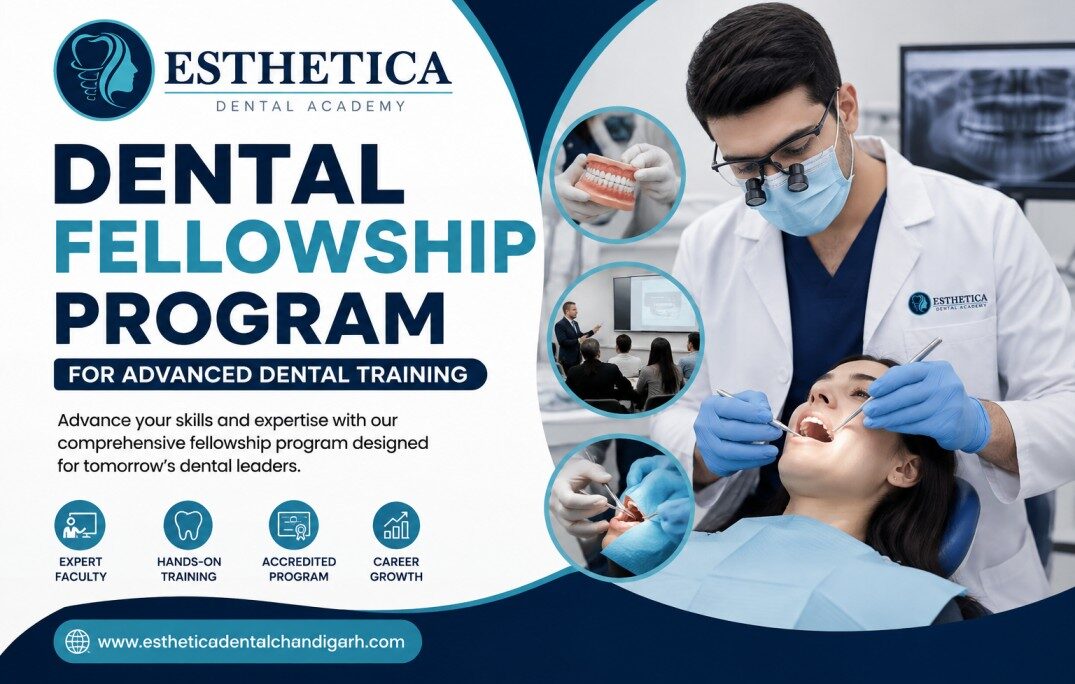
Dental Fellowship Program
Dentistry never stands still. New materials, new digital tools, and new patient expectations show up every single year, and dentists who want to stay ahead of the curve know that a degree alone isn’t enough anymore. This is exactly why a Dental Fellowship Program has become one of the most searched and most valued paths for dentists who want real, hands-on clinical growth. If you’ve ever felt like your college training gave you the theory but not the confidence, this article is for you.
Whether you’re a fresh graduate trying to find direction or a practicing dentist who wants to master implants, full-mouth rehabilitation, or advanced aesthetics, understanding how a fellowship works can completely change the trajectory of your career.
What Exactly Is a Dental Fellowship Program?
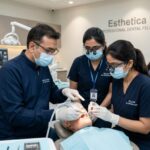
A Dental Fellowship Program is a structured, mentorship-driven training path designed for dentists who already have their basic degree but want deeper, practical exposure to advanced procedures. Unlike a short weekend workshop, a fellowship usually spans several weeks or months and focuses on real patient cases, live demonstrations, and one-on-one guidance from experienced clinicians.
Think of it as the bridge between “I learned this in theory” and “I can confidently perform this on a patient.” That bridge is where most young dentists get stuck, and it’s exactly the gap a good fellowship is built to close.
Why an Advanced Dental Training Program Matters More Than Ever
Patients today are more informed and more demanding. They ask questions, they compare clinics, and they expect predictable, natural-looking results. An Advanced Dental Training Program helps dentists meet these expectations by focusing on:
- Digital treatment planning and CBCT-guided diagnosis
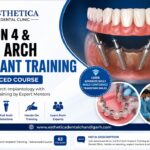
- Implant placement techniques, including full-arch and immediate loading protocols
- Smile design principles that blend function with aesthetics
- Soft tissue management for long-term implant success
- Complex case management that textbooks rarely cover in depth
Without this kind of exposure, many dentists end up referring out complicated cases simply because they were never trained to handle them confidently. A well-designed training program changes that completely.
Choosing the Right Dental Fellowship Courses for Your Career Stage
Not every fellowship suits every dentist, and that’s an important thing to understand before enrolling anywhere. When evaluating Dental Fellowship Courses, ask yourself a few honest questions first.
Are You a Fresh Graduate or an Experienced Practitioner?
Fresh graduates usually benefit from broader courses that cover fundamentals of implantology, prosthodontics, and case selection. Experienced dentists, on the other hand, often look for niche, advanced modules like full-mouth rehabilitation or digital smile design, since they already have the basics covered.
Does the Course Offer Live Patient Exposure?
This is non-negotiable. A fellowship that only uses models or simulations will never replace the confidence that comes from working on real patients under supervision. Always ask how many live cases are included before you commit.
Is There Ongoing Mentorship After the Course Ends?
The best programs don’t just end when the certificate is handed over. Continued mentorship, case discussions, and access to faculty for post-course doubts make a massive difference in how much you actually retain and apply.
What Makes Advanced Dental Fellowship Training Different from Regular CE Courses
There’s a clear difference between a one-day continuing education seminar and a genuine Advanced Dental Fellowship Training program, and dentists often don’t realize this until they’ve experienced both.
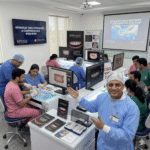
Regular CE courses are usually lecture-heavy, cover a broad topic quickly, and offer limited hands-on time. Fellowships, by contrast, are built around small batch sizes, extended duration, and repeated practice until the skill actually sticks. Instead of watching a demonstration once, you get to perform the procedure yourself, get corrected in real time, and repeat it until it becomes second nature.
This difference matters enormously in fields like implant dentistry, where small technical errors can lead to long-term complications for the patient. Fellowship-style training reduces that risk by building muscle memory, not just theoretical understanding.
Key Skills You Should Expect to Gain
A strong fellowship program should leave you noticeably more confident in the clinic. Some of the core skills typically covered include:
- Accurate case selection and treatment sequencing for implant patients
- Surgical protocols for single-tooth and full-arch implant placement
- Prosthetic workflows, including digital impressions and same-day loading
- Managing complications and troubleshooting during procedures
- Communicating treatment plans clearly so patients trust the process
These aren’t abstract skills. They’re the exact things that separate a dentist who gets repeat patients and strong referrals from one who struggles to build a loyal patient base.
How to Evaluate a Fellowship Before You Enroll
Before signing up for any program, it helps to look past the marketing and check a few practical details. Look at faculty credentials and how many years of clinical experience they actually have, not just their academic titles. Check batch size, since smaller groups almost always mean more individual attention and more hands-on time per participant.
It’s also worth asking previous participants about their experience, since genuine reviews reveal far more than a polished brochure ever will. Finally, confirm whether the certification is recognized within the professional community you plan to practice in, since not every certificate carries the same weight everywhere.
The Long-Term Career Impact of Advanced Training
Dentists who invest in structured fellowship training often see changes that go beyond just clinical skill. Patients notice the added confidence during consultations, which naturally builds trust. Clinics that offer advanced implant and cosmetic procedures in-house also tend to retain more patients instead of losing them to referrals. Over time, this translates into stronger case acceptance rates, better patient outcomes, and a reputation that grows through word of mouth rather than advertising alone.
There’s also a personal dimension to this that’s easy to overlook. Many dentists describe a noticeable shift in how they feel walking into complex cases after completing a fellowship. That quiet confidence, built through repetition and mentorship, is something no textbook can fully replicate.
A Message from Dr. Sharad Arya, Founder – Esthetica Dental Academy
When I started Esthetica Dental Clinic in 2012, my vision was simple — to combine clinical excellence with genuine patient care. Over the years, as our practice grew across Punjab, Himachal, and Chandigarh, I realized that the biggest gap in Indian dentistry wasn’t a lack of talent, but a lack of accessible, hands-on implant training for practicing dentists.
That’s why we built Esthetica Dental Academy — not as another certificate mill, but as a mentorship-driven program where dentists actually work on live cases, under supervision, until they’re confident enough to do it on their own. I’ve seen BDS graduates walk in unsure of their surgical skills and walk out ready to plan and execute full-arch implant cases independently.
If you’re serious about growing your implant practice, I’d encourage you to invest in training that prioritizes real clinical exposure over theory alone. That’s the philosophy behind everything we teach here.
— Prof. Dr. Sharad Arya, MDS
Every batch we train is small by design, because implant surgery demands individual attention, not a classroom of fifty watching a screen. Whether it’s digital implant planning, guided surgery, or full-arch rehabilitation, we make sure every participant leaves confident enough to apply it in their own practice.
Final Thoughts
At Esthetica Advanced Dental Academy, the goal has always been to close the gap between classroom learning and real clinical mastery. The academy’s structured mentorship approach, small batch training, and focus on live case exposure are designed to help dentists step into advanced procedures with genuine confidence rather than hesitation. For any dentist serious about long-term growth in implantology and advanced restorative dentistry, this kind of hands-on, mentorship-driven training path can make all the difference between a good career and a truly exceptional one.
Frequently Asked Questions
1. What is the duration of a typical dental fellowship program?
Most fellowship programs run anywhere from a few weeks to several months, depending on the depth of clinical exposure and number of live cases included.
2. Can dentists from Canada apply for advanced dental training programs in India?
Yes, many international dentists, including those practicing or studying in Canada, join fellowship programs abroad to gain hands-on implant and cosmetic dentistry experience not always available locally.
3. Is prior implant experience required before joining a fellowship?
Not always. Many programs are designed to accommodate both beginners and experienced dentists by offering tiered modules based on skill level.
4. How is a dental fellowship different from a diploma course?
A diploma is typically theory-focused and academic, while a fellowship emphasizes live, hands-on patient treatment under direct mentorship.
5. Will a fellowship certificate help with licensing in Canada or the US?
A fellowship certificate reflects clinical training and skill development, but it does not replace or substitute statutory licensing requirements, which vary by country and regulatory board.
6. What is the average cost of an advanced dental fellowship program?
Costs vary widely based on duration, live case exposure, and faculty expertise, so it’s best to request a detailed breakdown directly from the training provider.
7. Do fellowship programs include digital dentistry and CBCT training?
Most advanced programs today do include CBCT-guided diagnosis and digital treatment planning, since these tools have become essential in modern implant dentistry.