




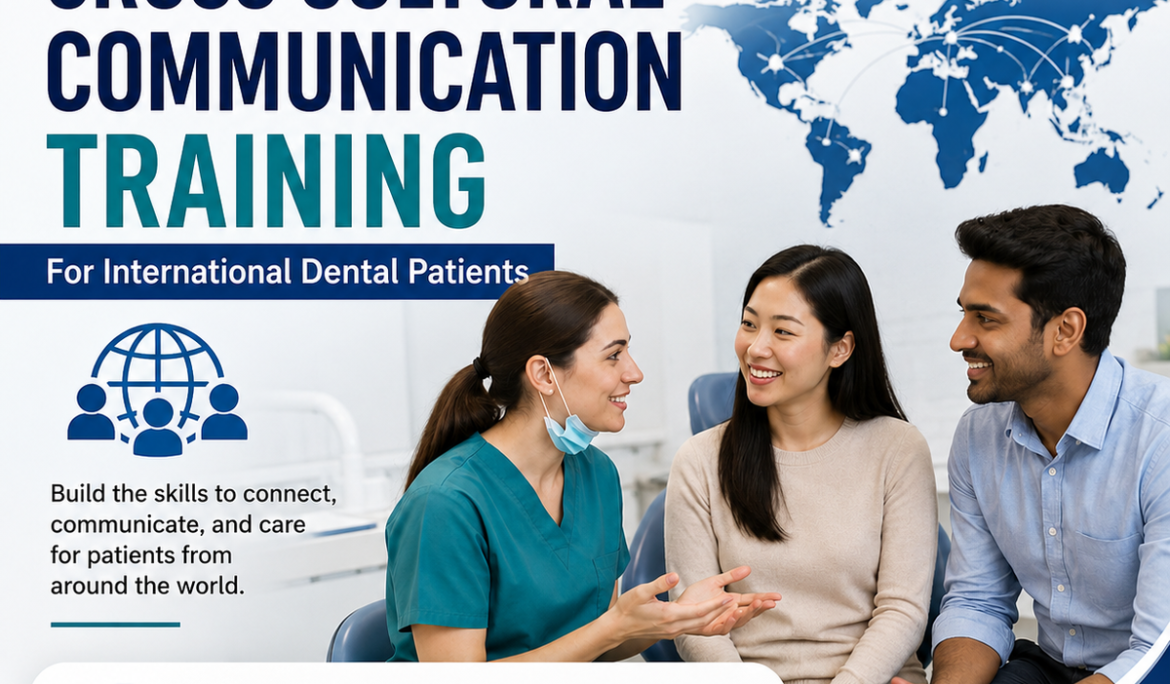
Cross Cultural Communication Training for International Dental Patients
International dental patients arrive with different expectations, communication styles, healthcare experiences, and concerns. A patient travelling from Canada may ask different questions from a patient travelling from another country. Language, culture, treatment expectations, and previous experiences can influence how people understand dental information. Cross Cultural Communication Training for International Dental Patients helps dental teams communicate with greater clarity, patience, empathy, and respect.
Dental tourism involves more than clinical treatment. Patients travel away from familiar surroundings and may worry about treatment, costs, appointments, travel arrangements, recovery, and follow-up. Clear communication can reduce uncertainty and help patients feel supported from their first enquiry through their return home.
Understanding Cultural Differences in Dental Care
Every Patient Has a Different Perspective
Culture can influence how patients ask questions, express concerns, make decisions, and interact with healthcare professionals. Some patients prefer detailed explanations before agreeing to treatment, while others prefer concise guidance. Some openly discuss concerns, whereas others may hesitate to disagree or request clarification.
Dental teams should avoid assuming that one communication style works for everyone. Cultural awareness encourages staff to listen carefully, ask respectful questions, and confirm understanding without making patients uncomfortable.
Respect Helps Build Trust
Trust is especially important when patients travel internationally for dental care. They may meet the dentist and clinic team for the first time after researching providers online. A welcoming and respectful approach can make the transition from online enquiry to face-to-face treatment easier and more reassuring.
What Is Cross-Cultural Communication Training?
Communicate Beyond Language
Cross cultural communication is not simply speaking another language. It involves understanding how culture can influence communication, expectations, behaviour, and decision-making. Training can help dental professionals recognise possible barriers and develop practical strategies for managing them.
Courses may cover active listening, respectful questioning, plain-language explanations, cultural awareness, empathy, and adapting communication according to individual patient needs.
Strengthen Patient Communication Skills
Patient communication skills matter at every stage of dental tourism. The first enquiry may arrive through email, telephone, website forms, messaging platforms, or video consultation. Every interaction creates an impression of the clinic.
A professional response should be clear, helpful, and easy to understand. Staff should avoid unnecessary technical terms and provide important information in a structured, patient-friendly way.
Language Barriers and International Dental Patients
Make Important Information Easier to Understand
Language differences can create misunderstandings even when patients and dental professionals share a common language. Dental terminology may be unfamiliar, and certain phrases can be interpreted differently.
Teams can improve communication by using simple words, short explanations, written summaries, visual information, and confirmation questions. When professional interpretation is necessary, appropriate interpreter support should be considered.
Never Assume That a Patient Understands
A patient saying yes does not always mean the information has been fully understood. Some people may agree because they feel uncomfortable asking questions or believe they should accept professional advice.
Encouraging questions and asking patients to explain important information in their own words can support clearer conversations and help identify misunderstandings before treatment begins.
Building Cultural Competency Within the Dental Team
Train Everyone Who Communicates With Patients
International patient care involves more than the dentist. Receptionists, patient coordinators, marketing professionals, nurses, assistants, and treatment coordinators may all communicate with overseas patients.
Cultural Competency Training can help the whole team use a consistent approach. When staff understand respectful communication, patients are less likely to receive conflicting information from different departments.
Communication During the Dental Visit
Help Patients Feel Comfortable in an Unfamiliar Environment
Arriving in another country for dental treatment can feel very different from visiting a local clinic. Patients may be tired from travelling, unfamiliar with their surroundings, or concerned about treatment.
A welcoming team can explain what will happen, introduce relevant staff, answer questions, and provide simple explanations before procedures. These small actions can reduce anxiety and create a more comfortable experience.
Listen Before You Recommend
Effective communication begins with listening. Dentists should understand why the patient travelled, what outcome they want, what previous treatment they received, and what concerns they have.
Listening can reveal expectations that may not appear in clinical records. Understanding these priorities can support more personalised and patient-centred treatment discussions.
Communication After Treatment
Follow-Up Is Part of Patient Care
International patient care does not necessarily end when treatment is completed. Patients may return home shortly after an appointment and need clear instructions about medication, hygiene, recovery, maintenance, or future reviews.
Written guidance can help patients remember important information. Clinics should also explain how patients can contact the team if questions or concerns arise after they return home.
How Training Improves Dental Tourism Communication
Turn Cultural Awareness Into Practical Skills
Dental tourism communication training can give teams practical methods for handling different patient interactions. Active listening, empathy, plain-language explanations, cultural awareness, questioning techniques, written communication, and managing misunderstandings can all be included.
The value of training comes from applying these skills to realistic situations. Case discussions and role-play exercises can help staff practise responses and adapt communication appropriately.
Improve Coordination Between Departments
International patient care often requires cooperation between marketing, reception, clinical, and coordination teams. Marketing may receive the first enquiry, reception may schedule appointments, clinicians may assess treatment, and coordinators may assist with travel or follow-up.
When communication is coordinated, patients receive a more consistent experience. Training can help departments understand their roles and share relevant information effectively.
Choosing the Right Communication Training Program
Look Beyond Basic Language Skills
A useful training program should cover more than vocabulary or language phrases. Dental teams should learn how culture, expectations, tone, listening, empathy, and communication habits can influence patient interactions.
Look for programs using practical healthcare examples and international patient scenarios. Realistic examples make it easier for staff to apply new skills in everyday clinic situations.
Why Choose Esthetica Dental Tourism for Communication Training?
Esthetica Dental Tourism can help dental clinics understand communication needs associated with international patient care. Training can focus on patient-friendly communication, cultural awareness, enquiry handling, treatment discussions, and maintaining a consistent patient journey.
For clinics working with overseas patients, this approach offers useful insight into how communication can influence confidence, satisfaction, and the overall dental tourism experience.
A Message from Dr. Sharad Arya, Founder – Esthetica Dental Academy
When I started Esthetica Dental Clinic in 2012, my vision was simple — to combine clinical excellence with genuine patient care. Over the years, as our practice grew across Punjab, Himachal, and Chandigarh, I realized that the biggest gap in Indian dentistry wasn’t a lack of talent, but a lack of accessible, hands-on implant training for practicing dentists.
That’s why we built Esthetica Dental Academy — not as another certificate mill, but as a mentorship-driven program where dentists actually work on live cases, under supervision, until they’re confident enough to do it on their own. I’ve seen BDS graduates walk in unsure of their surgical skills and walk out ready to plan and execute full-arch implant cases independently.
If you’re serious about growing your implant practice, I’d encourage you to invest in training that prioritizes real clinical exposure over theory alone. That’s the philosophy behind everything we teach here.
— Prof. Dr. Sharad Arya, MDS
Every batch we train is small by design, because implant surgery demands individual attention, not a classroom of fifty watching a screen. Whether it’s digital implant planning, guided surgery, or full-arch rehabilitation, we make sure every participant leaves confident enough to apply it in their own practice.
Frequently Asked Questions
1. What is cross-cultural communication training in dentistry?
It helps dental teams understand cultural differences and develop clearer, respectful communication skills for international patients.
2. Why is cultural competency important for dental clinics?
It helps teams recognise different expectations, reduce misunderstandings, and create a more welcoming patient experience.
3. Does cross-cultural training only focus on language?
No. It also covers listening, cultural awareness, communication styles, empathy, expectations, and adapting explanations.
4. Can this training help international dental patients from Canada?
Yes. It can help teams communicate effectively with Canadian patients while avoiding assumptions based on nationality.
5. Who should receive international patient communication training?
Dentists, receptionists, coordinators, assistants, marketing professionals, and other patient-facing staff can benefit.
6. How can clinics reduce communication misunderstandings?
Plain language, visual information, written summaries, active listening, confirmation questions, and appropriate interpreter support can help.
7. Does better communication support dental tourism growth?
Yes. Clear and respectful communication can build trust, improve patient experience, and strengthen international patient relationships.
Build a More Patient-Centred International Dental Experience
International dental care requires more than clinical expertise. Patients also need communication that is clear, respectful, personalised, and consistent. This type of communication training can help dental teams develop practical skills for communicating with people from different backgrounds.
The strongest patient experience begins before arrival and continues through consultation, treatment, travel, follow-up, and communication after returning home. When every stage is handled thoughtfully, patients can feel informed and supported.
Develop Communication Skills for Global Dental Care
Esthetica Dental Tourism can help clinics understand that every international patient has individual concerns, expectations, and communication preferences. A thoughtful approach avoids assumptions and focuses on listening, explaining, confirming, and respecting patient needs.
For dental clinics developing international services, communication training can complement clinical education and marketing. Esthetica Dental Tourism can support a patient-focused approach that makes the journey clearer, more comfortable, and trustworthy from the first enquiry through long-term follow-up. the academy remains focused on helping dental teams communicate confidently across cultures.
Advanced Implantology Course in Chandigarh Live Patient Training
https://www.estheticadentalchandigarh.com/implant-planning-placement-training-Mumbai /
ALL-ON-X IMPLANT TRAINING FOR UK DENTISTS
Complete Guide for NRI Patients Dental Treatment and Travel Planning in India
https://www.estheticadentalchandigarh.com/https-www-estheticadentalchandigarh-com-student-faculty-ratio-hands-on-dental-training/