








Smile Designing Course in Bangalore for Dental Professionals
Patients no longer walk into a clinic asking only for a filling or a cleaning. They arrive with photos of celebrity smiles, questions about veneers, and a clear idea of how they want to look. If you want to meet that demand with confidence, a smile designing course in Bangalore can be the turning point in your career. The right smile design training in Bangalore blends art, science, and digital planning, so every case you take on looks natural and lasts. Whether you are exploring a digital smile designing course in Bangalore or a broader cosmetic dentistry course in Bangalore, this guide walks you through what to expect, what to compare, and how to choose wisely.
Why More Dentists in Bangalore Are Investing in Smile Design Skills
Bangalore is a city of working professionals who care about first impressions. Software engineers, doctors, creative leads, and entrepreneurs all want teeth that look healthy and balanced. That creates steady demand for aesthetic treatments, and dentists who can deliver them stand out from the crowd.
General dentistry builds your foundation, but aesthetic work asks for something extra: an eye for proportion, colour, and facial harmony. A structured smile design training programme gives you that eye. It also helps you explain treatment plans in a way patients truly understand, which raises case acceptance without any pushy selling.
There is a practical side too. Dentists who add smile makeovers to their menu often see higher-value treatments, happier patients, and more referrals from people who simply could not stop talking about their new smile.
What Exactly Is Smile Designing? A Simple Explanation
Smile designing is the planned, patient-specific process of reshaping a smile so that teeth, gums, lips, and face work together. It is not a single procedure. It is a method of thinking that guides which treatments you choose and in what order.
The Art Behind the Smile
Every attractive smile follows a few visual rules. Tooth width relates to height, the midline sits in harmony with the face, and the smile arc follows the curve of the lower lip. Learning to spot these patterns is the first skill you build in any good course.
The Science That Keeps Results Stable
Beauty without function does not last. Bite alignment, gum health, material strength, and tooth preparation depth all decide whether a smile stays intact for years. Strong programmes teach aesthetics and biology side by side, so you never trade one for the other.
Inside a Digital Smile Designing Course in Bangalore: Skills You Will Actually Use
A well-built digital smile designing course in Bangalore moves you from theory to chairside confidence. Here are the core areas worth looking for in the syllabus.
Facial and Dental Analysis
You begin by studying photographs and videos of the patient, reading lip dynamics, tooth display at rest, and facial symmetry. This step turns a vague request like “make my teeth look nicer” into a clear, measurable plan.
Digital Smile Design Workflow
Using digital tools, you draw design lines over the patient’s own photos and preview the possible result before touching a single tooth. Patients love seeing their future smile on screen, and it removes much of the guesswork from treatment planning.
Mock-Ups and Temporaries
A mock-up lets the patient try the new shape in the mouth first. You learn how to build, refine, and approve it, which protects both the patient’s expectations and your clinical decisions.
Veneers, Laminates, and Minimal-Prep Techniques
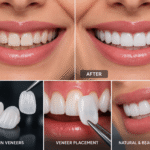
Tooth preparation is where many dentists feel most nervous. Good training covers conservative preparation, material selection, shade matching, and cementation steps, so you protect enamel while achieving a refined finish. To see how these results look in a real clinical setting, take a look at this smile designing treatment page.
Gum Contouring and Soft Tissue Harmony
A beautiful tooth can still look wrong beside uneven gums. Courses that include soft tissue planning teach you how to balance the gumline for a smile that looks complete from every angle.
Communication and Case Presentation
Clinical skill is only half the story. You also learn how to present options, set realistic expectations, and discuss fees with warmth and clarity.
Who Should Join a Cosmetic Dentistry Course in Bangalore?
Not every dentist needs the same starting point, and the best programmes make room for different experience levels. A cosmetic dentistry course in Bangalore is a strong fit if you are:
- A fresh BDS graduate who wants practical skills that college training rarely covers in depth.
- A general practitioner who gets aesthetic enquiries but refers them elsewhere.
- A clinic owner planning to add smile makeovers as a premium service.
- A dentist who already does veneers but wants a more predictable, design-led workflow.
- A specialist in implants or orthodontics who wishes to coordinate aesthetic outcomes across disciplines.
If you are still comparing training paths, browse the full list of dental academy courses to see how different programmes are structured.
Hands-On Learning vs Lecture-Only Courses: Why the Difference Matters
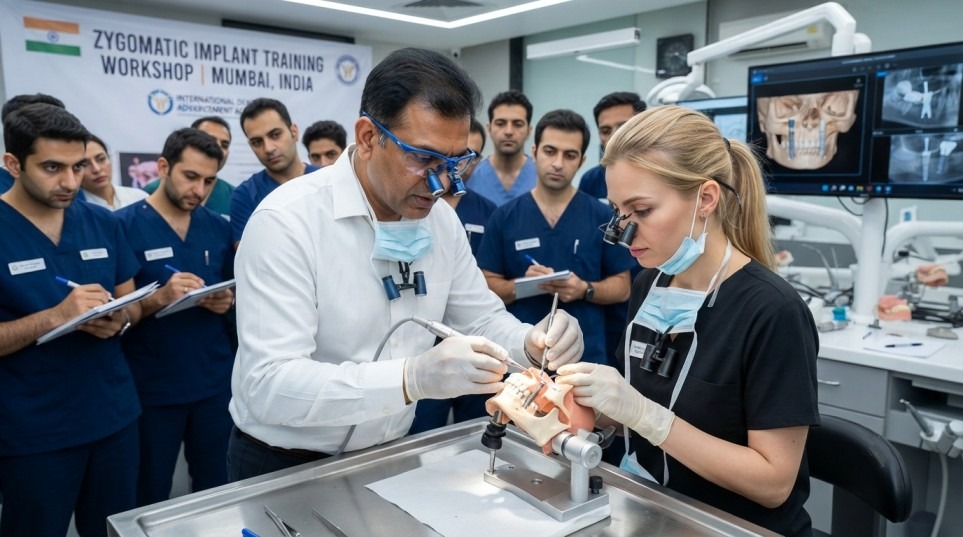
You can read about symmetry and proportion for weeks and still feel lost the first time a patient sits in your chair. That is why hands-on learning matters so much. Practising on models, planning real cases, and receiving feedback from an experienced mentor turns knowledge into muscle memory.
Small batches help as well. When fewer participants share one mentor, you get time to ask questions, repeat steps, and correct small mistakes before they become habits. Always ask how many seats a batch holds and how much of the schedule is practical.
How to Choose the Right Smile Design Course: A Quick Checklist
Marketing language can make every course sound identical. Use the points below to look past the brochure.
Check the Mentor’s Real Clinical Experience
Look for faculty who treat patients every week, not only teach. Practising clinicians share the small details and troubleshooting tips that never appear in textbooks.
Review the Syllabus Depth
A solid programme covers diagnosis, digital planning, preparation, materials, soft tissue, and case presentation. If a course touches only one of these, it may leave gaps in your workflow.
Confirm the Certificate’s Scope
Be clear about what the certificate represents. Most short professional courses are meant for skill development and participation, and are not a statutory degree or licence. Reputable institutes state this openly, so ask before you enrol.
Ask About Follow-Up Support
Questions will come up after you return to your own clinic. A programme that offers mentorship after the course ends gives you a safety net while you apply new techniques.
Career and Practice Benefits You Can Expect
Training alone does not guarantee income, but it opens doors. Dentists who build solid aesthetic skills commonly report a few shifts in their practice.
First, consultations become more engaging. Showing a patient a digital preview creates trust quickly. Second, your portfolio grows, and before-and-after cases become your best marketing material. Third, you can combine services more smoothly, for example pairing clear aligners and braces with veneers or whitening for complete smile transformations.
Over time, that mix of skills helps you move from routine treatments toward planned, high-satisfaction dentistry.
Common Mistakes New Aesthetic Dentists Should Avoid
Enthusiasm is wonderful, but a few pitfalls trip up beginners again and again.
- Over-preparing teeth. Removing more enamel than needed limits future options and increases sensitivity risk.
- Skipping the mock-up. Patients who never preview the result are more likely to feel surprised afterwards.
- Ignoring the bite. A beautiful veneer can chip quickly if occlusion is not checked.
- Promising perfection. Honest conversations about limits protect trust and reduce complaints.
A good course teaches you to recognise these traps early, so you grow with fewer costly lessons.
Trends Shaping Smile Design in 2026
Aesthetic dentistry keeps evolving. Natural-looking, slightly textured veneers are replacing the uniform “chiclet” look. Patients prefer conservative treatments, so minimal-prep options are rising. Digital planning, intraoral scanning, and 3D-printed mock-ups are becoming everyday tools rather than luxuries. Staying current with these shifts is easier inside a structured programme than when you piece techniques together from short videos.
Frequently Asked Questions
1. What is a smile designing course?
It is a professional training programme that teaches dentists how to analyse a patient’s face and teeth, plan an ideal smile, and deliver treatments such as veneers, laminates, and cosmetic bonding in a predictable way.
2. Who can enrol in a smile designing course in Bangalore?
Most programmes are open to registered dental practitioners, including recent BDS graduates, general dentists, and specialists. Always check the eligibility criteria of the specific course you are considering.
3. How long does smile design training take?
Duration varies by format. Some courses run as intensive weekend workshops, while others stretch across several days or include mentorship over weeks. Choose the length that fits your schedule and learning pace.
4. What is the difference between digital smile design and traditional smile design?
Traditional planning relies on models and manual wax-ups. Digital smile design uses photos, videos, and software to preview results on screen. Many modern courses teach both so you understand the logic behind each step.
5. Will I be able to do veneers on my own after the course?
A strong hands-on programme builds a solid foundation, but confidence grows with practice. Start with simpler cases, review each one carefully, and lean on mentor support while you gain experience.
6. Is the certificate from a smile design course a degree?
No. Short professional courses typically provide a certificate of participation for skill development. They do not replace a dental degree, licence, or statutory qualification.
7. What should I look for in the best cosmetic dentistry course in Bangalore?
Look for experienced clinician-mentors, small batches, plenty of hands-on practice, a clear syllabus, honest certificate details, and support after the course ends.
Ready to Design Smiles With Confidence? Your Next Step Starts Here
Why Now Is a Good Time to Upskill
Patient expectations keep rising, and skilled aesthetic dentists are still in short supply. Learning now helps you build experience while demand is strong.
Build a Skill Set That Sets You Apart
Design-led thinking makes your treatment plans clearer and your results more consistent.
Learn From Real Cases, Not Just Slides
Watching planning and execution on live clinical examples shows you the decisions behind every step.
Grow a Practice Patients Recommend
Satisfied patients become your most reliable source of referrals. Read more helpful articles on our dental blog or learn about the clinician behind our teaching on the about Dr. Sharad Arya page.
If you are ready to turn your interest in aesthetic dentistry into real clinical skill, Esthetica Dental Academy offers practical, mentor-led training designed for dental professionals who want to learn with clarity and confidence. Book your appointment today or call 9817230279 to ask about upcoming batches and secure your seat.
Book Your Training for Upcoming Months
We provide both online and offline training to help you enhance your skills. Book your training session for the upcoming months today!