








Implant Course in India for NRI Dentists and Professionals
If you practise abroad and wonder whether an implant course in India for NRI dentists can really move your career forward, you are asking the right question at the right time. More overseas professionals are exploring dental implant training in India for NRI dentists because the clinical exposure is high, the learning is hands-on, and the cost is often easier on the budget than comparable programs in the US, UK, Canada or Australia. Whether you are comparing dental implantology courses in India to place your first implant, or looking at advanced dental implant courses for dentists to master full-arch cases, this guide explains what to expect, what to compare and how to choose wisely.
Why Are So Many NRI Dentists Choosing India for Implant Training?
Dentists settled abroad often tell the same story. Local implant courses are expensive, seats fill quickly and live-patient exposure can be limited. India offers a different path. Patient volumes are high, so participants usually see a wider mix of cases, from single-tooth replacements to complex full-arch rehabilitation, within a shorter time.
There is a personal side too. Many NRI professionals already plan regular visits to family, so combining learning with travel feels natural. Add language comfort and a strong culture of mentoring, and it is easy to see why this topic keeps growing in search interest. If you want to see how implant care is delivered here, the dental implant treatment page gives a clear picture of the patient journey.
What Will You Actually Learn in a Dental Implantology Course in India?
A good program takes you from the first consultation to the final crown. Instead of memorising steps, you learn why each decision is made. Here is what a well-built curriculum usually covers.
Diagnosis and Treatment Planning
Every successful implant begins before the surgery. You learn to read CBCT scans, assess bone quality and quantity, and decide whether a case is simple, moderate or complex. This is the skill that protects you from avoidable failures.
Surgical Placement and Bone Management
This part covers flap design, drilling sequences, implant positioning and primary stability. You also learn how soft tissue handling affects healing and the final look of the restoration.
The Prosthetic Phase
An implant is only as good as the tooth on top of it. Expect training on abutment selection, impressions, digital workflows and occlusion, so the final result is comfortable and long lasting.
Managing Complications
Even experienced clinicians face problems. Learning how to spot early warning signs, handle peri-implant issues and correct errors gives you confidence when a case does not go as planned.
Basic or Advanced: Which Course Matches Your Experience?
Choosing the wrong level is the most common mistake. A course that is too basic wastes your limited leave, while one that is too advanced leaves you watching instead of learning. Use this quick guide.
- Beginner level: You have never placed an implant, or you have placed very few. You need fundamentals, case selection and supervised single-implant surgery.
- Intermediate level: You place implants regularly but want better planning, immediate placement and predictable aesthetics.
- Advanced level: You are ready for multiple-implant and full-arch cases, complex prosthetics and complication management.
If you are unsure, ask the organisers for a short case discussion before booking. A good team will be honest about where you fit. You can also read about the international dentist training program to see how overseas participants are usually guided.
What Should the Best Advanced Dental Implant Courses for Dentists Include?
When you search for advanced dental implant courses for dentists, brochures can all sound alike. Look past the marketing and check whether the curriculum includes these practical elements:
- All-on-6 and full-arch rehabilitation protocols
- Immediate loading, with clear rules on when it is safe
- CBCT-guided diagnosis and digital implant planning
- Soft tissue management and aesthetic zone strategies
- Prosthetic workflows, from provisional to final restoration
- Case-based discussions and complication handling
Full-arch work in particular demands planning and prosthetic skill together. Understanding how full-mouth dental implants are planned and delivered will help you judge whether a course teaches the whole process or only the surgery.
Why Live Demonstrations Beat Slide Lectures Every Time
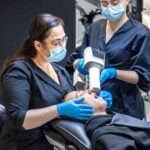
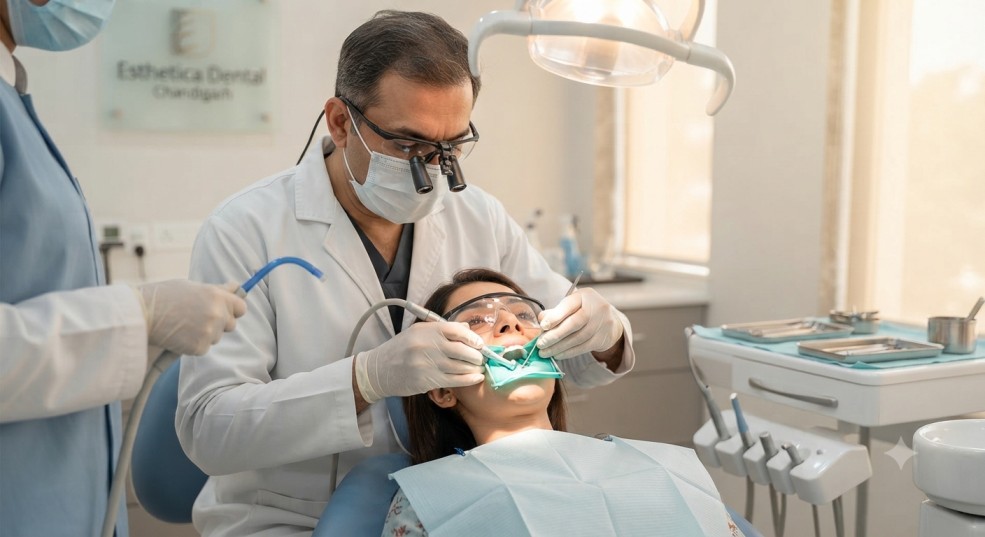
Reading about flap design is useful. Watching a clinician make decisions in real time is far better. Live demonstrations show you the small details that never appear in textbooks, such as how to adjust when bone density is different from the scan.
Small training groups make this even more valuable. When fewer participants share a mentor, you get more chances to ask questions, handle instruments and receive feedback on your technique. Before enrolling, ask how many participants are in each batch and how much of the schedule is hands-on.
Read This Before You Enrol: Certificate vs Licence
This point deserves honesty. Most short clinical programs are designed for continuing professional development. They build skills, but they are not a degree, diploma, residency or statutory qualification, and they do not give you a licence to practise in India.
For NRI dentists, this means two checks. First, confirm that you are taking the course as a learner under your existing registration. Second, ask your local dental board whether a certificate of participation counts toward your continuing education requirements. A trustworthy academy will state this clearly instead of hiding it in fine print.
Planning the Trip: Time, Travel and Budget
Good planning keeps the learning stress free. Start by checking course dates against your clinic schedule, then book flights only after your seat is confirmed. Confirm the correct visa category for your trip before you buy tickets.
For budgeting, think beyond the course fee. Include accommodation, local travel, meals, instruments you may want to buy and a buffer for extra days. Many professionals also explore dental tourism in India or NRI dental services for their own families during the same visit, which makes the journey more productive.
Frequently Asked Questions
1. Is an implant course in India worth it for NRI dentists?
For many, yes. You gain high case exposure, mentoring and a chance to combine training with a family visit. The value depends on how much hands-on work the course offers, so check the schedule carefully.
2. Do I need prior implant experience to join?
Not always. Beginner programs start with fundamentals, while advanced programs expect you to already place implants. Pick the level that matches your current skills.
3. Will the certificate allow me to practise in India?
No. A clinical training certificate shows participation and does not replace a degree or licence. Always read the course disclaimer before paying.
4. What is the difference between basic and advanced implant courses?
Basic courses focus on planning and single-implant placement. Advanced courses cover full-arch rehabilitation, immediate loading, digital workflows and complication management.
5. Do these courses include live demonstrations?
The better ones do. Look for live clinical demonstrations, case discussions and supervised practice rather than lectures alone.
6. How do I choose the best dental implantology course in India?
Compare the mentor’s experience, the share of hands-on training, batch size, curriculum depth and how clearly the program explains what the certificate means.
7. Can I combine the course with a family visit?
Yes, and many NRI dentists do exactly that. Share your dates with the organisers early so they can help you plan around the course calendar.
How to Choose the Right Implant Course: A Simple 4-Point Checklist
After comparing options, the decision becomes easier when you measure each course against the same standards. Keep this short checklist beside you while you shortlist programs.
Four Points to Check Before You Book
Point 1: Mentor Experience
Look for a clinician with real surgical and prosthetic experience, not just a teaching title.
Point 2: Hands-On Share
Ask exactly how many hours are practical and how many are theory.
Point 3: Small Batch Size
Fewer participants means more personal feedback and better learning.
Point 4: Transparent Terms
Check the fee policy, the certificate wording and the support offered to overseas participants.
If you want a program that ticks these boxes, Esthetica Dental Academy offers implant-focused training covering All-on-6 rehabilitation, digital planning and live demonstrations, guided by Prof. Dr. Sharad Arya. Ready to take the next step? Explore the dental academy courses in India and book your seat today.
Implant Course in India for NRI Dentists and Professionals
2-Day
Implantology
An intensive introduction for dentists who want to understand the complete implant workflow.
- ✓2 Days intensive training
- ✓Basic implantology concepts
- ✓Surgical kit demonstration
- ✓Hands-on training
- ✓Live implant surgery exposure
- ✓Certificate
Basic to Advanced
Comprehensive clinical training covering implant placement, bone grafting, sinus lift and prosthetic workflows.
- ✓5–7 Days training
- ✓Live patient surgeries
- ✓Implant placement
- ✓Bone grafting
- ✓Sinus lift
- ✓CBCT planning
- ✓Prosthetic workflow
Implant Diploma
Advanced structured training for dentists seeking deeper implant surgery and prosthetic exposure.
- ✓7 Days intensive program
- ✓15 implant procedures
- ✓Advanced surgery
- ✓Bone management
- ✓Sinus lift
- ✓Prosthetic rehabilitation
- ✓Extended mentorship
Customize Your
Course
Need a program designed around your specific clinical requirements? Build a customized implantology training plan with our team.
- ✓Choose your training duration
- ✓Select specific clinical procedures
- ✓Personalized learning objectives
- ✓Hands-on clinical exposure
- ✓Advanced implantology topics
- ✓Individual mentorship options