








All-on-X Implant Training in India: Hands-On with Live Cases
If you are searching for All-on-6 Implant Training in India for UK Dentists, you are probably asking one practical question: will I walk away able to plan and deliver a full-arch case, or just with a folder of slides? That is a fair thing to ask before you book flights and clear your diary. Full-arch rehabilitation is one of the most rewarding procedures in modern dentistry, and also one of the least forgiving to learn from a lecture alone. This guide explains what good training looks like, what to expect from live cases, and how to decide if an All-on-6 dental implant course in India fits your practice.
Why Are UK Dentists Looking Beyond Home for Full-Arch Training?
Many dentists in the UK want to offer fixed teeth to patients who are tired of loose dentures. The demand is real, but access to supervised, case-based learning can be limited by waiting lists, high course fees and few opportunities to see actual patients treated.
That gap is why dental implant training for UK dentists abroad is growing. India sees a high volume of full-arch cases, which means a course can show you more variety in bone quality, anatomy and prosthetic needs than a single-day demo ever could. For a clinician, repetition and exposure are what turn theory into confidence.
What Is All-on-X, and Why Does All-on-6 Get So Much Attention?
All-on-X is a family name for treatment concepts where a full arch of teeth is supported by a small number of strategically placed implants. All-on-4 uses four implants, while All-on-6 uses six. The extra two implants spread chewing forces more evenly and give you more options if one site needs adjusting.
That extra support is often valued in cases with softer bone or a heavier bite. It also gives the prosthetic design more flexibility. Neither approach is automatically better. A good course teaches you to choose between them based on the patient, not on habit.
What Should a Strong All-on-6 Course Actually Teach You?
Before paying for any programme, check that the curriculum goes beyond surgery. A complete course should walk you through the whole journey of a case, from the first consultation to the final bridge.
Diagnosis and Digital Planning
Expect training in reading CBCT scans, assessing bone volume, spotting anatomical risks and planning implant positions on screen. Digital workflows have made full-arch planning far more predictable, so this part should be hands-on, not just shown on a slide.
Surgical Technique and Soft Tissue Handling
This covers flap design, implant angulation, primary stability, immediate loading decisions and managing the soft tissue around the implants. Seeing these steps repeated on real patients helps you notice small details that textbooks skip.
Prosthetic Rehabilitation
Many clinicians underestimate this stage. Fitting a fixed prosthesis, checking the bite, planning provisional and final restorations and handling follow-up all affect long-term success. A course that ignores the prosthetic side leaves you half-trained.
Why Do Live Cases Make Such a Difference?
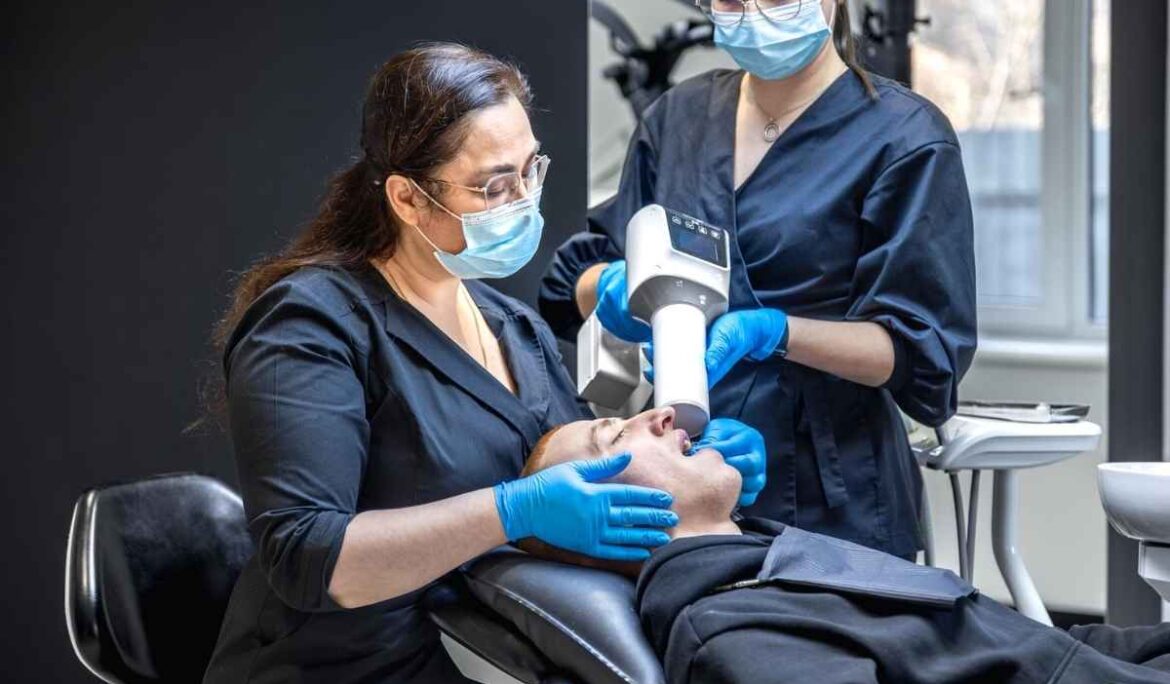
Watching a polished video is not the same as standing beside the operator when the plan changes mid-procedure. Live cases show you how decisions are made in real time: why an implant was angled differently, how a sudden bleed was handled, or when the team chose to adjust the original plan.
They also build realistic expectations. You see the time a case takes, how the patient is kept comfortable and how the team communicates throughout. Small groups matter here, because the closer you are to the action and the easier it is to ask questions, the more you take home.
Is Training in India Practical for a UK Dentist?
Travel is the first concern most people raise, and it is a reasonable one. Direct flights from the UK to major Indian cities make a short learning trip manageable, and accommodation and living costs are generally lower than in many Western training hubs. Always compare the full cost, including flights, stay and course fees, before deciding.
The second concern is professional responsibility. A course is continuing professional development, not a licence to treat. Before offering full-arch treatment at home, check the General Dental Council standards on working within your competence, and confirm with your indemnity provider that they cover the procedures you plan to perform.
Who Gets the Most Out of Advanced Implantology Training in India for Dentists?
Advanced implantology training in India for dentists suits a wider range of clinicians than most people expect.
- General dentists who already place single implants and want to move into full-arch work.
- Restorative dentists who handle the prosthetic side and want to understand surgery better.
- Early-career implant dentists who want structured mentorship rather than learning by trial and error.
- Practice owners planning to add fixed full-arch rehabilitation to their services.
If you are brand new to implants, ask whether the programme offers foundation sessions first. Jumping straight to full-arch without basics is rarely a good idea.
A Quick Checklist Before You Book Any Implant Course
Use these points to compare programmes fairly:
- Does the curriculum cover planning, surgery and prosthetics together?
- Are live clinical demonstrations part of the course, and how are they run?
- How many participants are in each batch?
- Who are the trainers, and what is their clinical background?
- What does the certificate represent, and is that stated honestly?
- Is there support after the course if you have questions about your first cases?
A clear answer to each one is a good sign. Vague answers deserve a second look. You can browse the dental academy courses page to see how one academy lays out its programmes, and the international dentist training program in India page explains the overseas learner experience.
Frequently Asked Questions
1. What is the difference between All-on-4 and All-on-6?
Both support a fixed arch of teeth on implants. All-on-4 uses four implants, usually with the back ones tilted, while All-on-6 adds two more for extra support and flexibility. Your choice depends on bone quality, bite forces and the planned prosthesis.
2. How long does All-on-6 implant training take?
Duration varies by programme. Some courses run for a few days of intensive teaching, while others are spread over modules. Always confirm the current schedule and what each day includes before booking.
3. Can UK dentists use what they learn on return?
Training builds knowledge and skill, but you remain responsible for working within your competence and registration. Check General Dental Council guidance and speak to your indemnity provider before offering new treatments.
4. Do I need implant experience before joining?
Basic implant experience helps, because full-arch cases build on core surgical and prosthetic knowledge. If you are new, ask whether foundation sessions are available.
5. Will I receive an accredited qualification?
Most short clinical courses give a certificate of participation, not a degree or statutory qualification. Read the disclaimer carefully and treat the course as professional development.
6. Why choose India for dental implant training?
High case volume, varied clinical exposure and lower overall costs are the usual reasons. That said, the quality of teaching and mentoring matters more than the country, so judge each programme on its own merits.
7. Are live cases really part of the training?
Live clinical demonstrations are a common feature of hands-on programmes, but formats differ. Ask how many cases you will observe, whether you can assist and how closely the trainer explains each step.
Ready to Take the Next Step in Full-Arch Implant Learning?
What to Do Before You Commit
Good preparation makes any course more valuable. Spend a little time on these steps first.
Review Your Current Skill Level
Be honest about where you stand with surgery, planning and prosthetics. This helps you pick a programme at the right level rather than one that is too basic or too advanced.
Read the Fine Print
Check the certificate wording, refund terms and what is included in the fee. Clear terms usually signal a well-run programme. For background on how full-arch treatment is delivered to patients, read about full mouth dental implants.
Learn From the Clinician Leading the Teaching
A trainer’s own clinical work is the best guide to what you will learn. Take a look at the profile of Prof. Dr. Sharad Arya to understand the experience behind the programme.
Keep Learning Beyond One Course
Implantology rewards steady study. Explore more implant dentistry articles and see how implants are handled for patients through the dental implant in Chandigarh service page.
If you want hands-on guidance, live clinical exposure and small-group mentoring in full-arch rehabilitation, Esthetica Dental Academy welcomes dentists from the UK and beyond. Book your appointment or consultation today to ask about the current course dates and how to reserve your seat.
All-on-X Implant Training in India for Dentists from France
2-Day
Implantology
An intensive introduction for dentists who want to understand the complete implant workflow.
- ✓2 Days intensive training
- ✓Basic implantology concepts
- ✓Surgical kit demonstration
- ✓Hands-on training
- ✓Live implant surgery exposure
- ✓Certificate
Basic to Advanced
Comprehensive clinical training covering implant placement, bone grafting, sinus lift and prosthetic workflows.
- ✓5–7 Days training
- ✓Live patient surgeries
- ✓Implant placement
- ✓Bone grafting
- ✓Sinus lift
- ✓CBCT planning
- ✓Prosthetic workflow
Implant Diploma
Advanced structured training for dentists seeking deeper implant surgery and prosthetic exposure.
- ✓7 Days intensive program
- ✓15 implant procedures
- ✓Advanced surgery
- ✓Bone management
- ✓Sinus lift
- ✓Prosthetic rehabilitation
- ✓Extended mentorship
Customize Your
Course
Need a program designed around your specific clinical requirements? Build a customized implantology training plan with our team.
- ✓Choose your training duration
- ✓Select specific clinical procedures
- ✓Personalized learning objectives
- ✓Hands-on clinical exposure
- ✓Advanced implantology topics
- ✓Individual mentorship options