








General Dentistry Courses in India for Foreign Dentists: Build Practical Clinical Confidence
Are you an international dentist looking to strengthen your clinical skills, explore modern treatment approaches, and gain practical learning experience? General Dentistry Courses in India for Foreign Dentists can offer an opportunity to refresh your knowledge, discuss real-world cases, and develop a more structured approach to everyday dental procedures. From restorative dentistry and endodontics to oral surgery and treatment planning, the right educational program can help you focus on the areas most relevant to your professional goals.
Choosing General Dentistry Training in India for Foreign Dentists requires more than comparing course titles. You should understand the curriculum, training format, faculty supervision, clinical exposure, course duration, and certification details before enrolling. A suitable program should match your experience level and help you identify practical techniques that may be relevant to your existing dental practice.
Why Should Foreign Dentists Consider General Dentistry Training in India?
Dentistry continues to evolve with improved materials, diagnostic technologies, restorative techniques, and patient-centred treatment planning. For qualified dentists, continuing professional development is an important way to review existing knowledge and explore developments in clinical practice.
India offers a range of dental education and clinical training opportunities. International dentists can explore short-term educational programs, practical workshops, and specialised clinical mentorship based on their learning objectives.
The main benefit is the opportunity to focus on specific clinical interests rather than choosing a broad academic program that may not suit your current professional needs.
Key Benefits of General Dentistry Courses
- Practical skill development: Explore clinical techniques through demonstrations, supervised learning where available, and case-based discussions.
- Updated clinical knowledge: Review current approaches to diagnosis, restorative procedures, and treatment planning.
- Focused learning: Select topics that align with your experience and professional development goals.
- Clinical decision-making: Improve your understanding of treatment options, case assessment, and patient communication.
- Professional development: Build a structured learning plan for continued education throughout your dental career.
What Do General Dentistry Courses in India Cover?
A comprehensive general dentistry program may cover several areas of routine dental practice. The precise curriculum varies between providers, so international dentists should request a detailed course outline before making a decision.
1. Restorative Dentistry and Prosthodontics
Restorative dentistry focuses on repairing damaged teeth and restoring their function, appearance, and comfort. Training in this area may include cavity preparation principles, restorative materials, composite restorations, and the fundamentals of crown and bridge procedures.
Prosthodontic topics may cover impression techniques, tooth preparation, temporary restorations, cementation, and treatment planning for removable or fixed prostheses. These subjects can help dentists review restorative workflows and understand how to approach different clinical situations.
2. Endodontics and Root Canal Treatment
Endodontics focuses on diagnosing and managing diseases affecting the dental pulp and tissues surrounding the root. Training may address access cavity preparation, canal instrumentation, irrigation principles, obturation, and the assessment of endodontic cases.
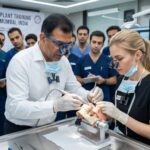
Hands-On General Dentistry Courses in India may provide demonstrations or supervised practice in selected procedures, depending on the program. Dentists should confirm which techniques are included and whether practical sessions involve simulation models, extracted teeth, or permitted clinical exposure.
3. Oral Surgery and Exodontia
Basic oral surgery education can help dentists review clinical assessment, extraction planning, local anaesthesia principles, instrumentation, and postoperative care.
More advanced subjects may include suturing techniques, incision planning, and the management of selected extraction-related complications. These topics require appropriate clinical supervision, patient-safety protocols, and training that matches the participant’s existing competence.
4. Periodontology and Preventive Dentistry
Periodontology focuses on the prevention, diagnosis, and management of gum disease. General dentistry training may include periodontal examination, scaling and polishing principles, oral hygiene instruction, and treatment planning for periodontal conditions.
Dentists may also review preventive strategies such as fluoride application, caries-risk assessment, and patient education. A strong preventive approach supports long-term oral health and encourages patients to maintain regular dental check-ups.
5. Paediatric Dentistry
Paediatric dentistry addresses the oral health needs of children and adolescents. Depending on the curriculum, relevant topics may include caries prevention, fluoride use, fissure sealants, behaviour guidance, and age-appropriate treatment planning.
International dentists can benefit from reviewing communication strategies that help children and parents understand preventive care. Any practical training involving children must follow appropriate consent, safeguarding, and supervision requirements.
6. Diagnosis and Comprehensive Treatment Planning
Effective dentistry starts with a careful assessment of the patient’s oral health, medical history, clinical findings, and individual needs. Training in diagnosis and treatment planning can help dentists organise clinical information and evaluate suitable treatment options.
Case-based learning may include identifying treatment priorities, considering alternatives, discussing risks, and explaining costs and expected outcomes. These skills support informed decision-making and clearer communication between dentists and patients.
Clinical Dentistry Courses in India for Foreign Dentists: What Makes a Program Valuable?
A useful training program combines relevant educational content with a clear structure and achievable learning objectives. Instead of choosing a course based only on its promotional claims, assess how well it supports your particular clinical interests.
Look for Practical and Case-Based Learning
Case discussions allow dentists to examine clinical findings, consider different treatment approaches, and understand the reasoning behind a treatment plan. Demonstrations can also help participants observe procedural steps and review common technical challenges.
If you are looking for hands-on education, ask the provider to explain exactly what practical participation means. Confirm whether the course offers simulation exercises, demonstrations, supervised clinical observation, or other practical components.
Check Faculty Experience and Supervision
Before enrolling, review the qualifications and clinical experience of the instructors. Ask how sessions are supervised, how questions are addressed, and whether participants receive individual feedback.
A transparent provider should explain the limits of the training, the experience required for particular procedures, and the responsibilities of each participant.
Choose a Course That Matches Your Goals
A dentist seeking to refresh everyday restorative skills may need a different program from someone interested in advanced endodontics or prosthodontics. Clearly identifying your learning objectives makes it easier to select relevant modules and avoid spending time on subjects you already understand well.
How to Choose the Right General Dentistry Course in India
Selecting the right program is especially important when travelling internationally for professional education. Review the following factors before paying a registration fee.
1. Review the Curriculum
Request a module-by-module outline and identify the procedures, learning objectives, and teaching methods included. Check whether the course covers your priority subjects in sufficient detail.
2. Confirm the Course Duration
Some programs are designed as short workshops, while others offer longer training or mentorship formats. Ask for the daily schedule and the total teaching hours rather than relying on the course title alone.
3. Understand Clinical Exposure
Clarify whether the program includes classroom teaching, clinical demonstrations, simulation-based exercises, case discussions, or supervised patient-related learning. Do not assume that every course includes independent hands-on treatment.
4. Ask About Fees and Additional Expenses
Request a written breakdown of tuition, registration charges, instruments, materials, accommodation, and other applicable expenses. Confirm payment deadlines, refund terms, and cancellation policies before booking travel.
5. Verify Certification Details
Ask what type of certificate, if any, is issued and what it represents. A certificate of participation or continuing education is not automatically equivalent to a recognised academic qualification or professional licence.
6. Plan Your Travel in Advance
International participants should confirm the training dates, accommodation arrangements, visa requirements, local transport, and any documents needed for registration. Keep enough time for travel and orientation before the program begins.
Who Can Benefit from General Dentistry Training in India?
These courses may be relevant to qualified dentists who want to refresh clinical knowledge, explore selected procedures, or plan continuing professional development.
Potential participants include:
- International dentists seeking structured clinical education.
- General dental practitioners interested in reviewing restorative workflows.
- Dentists looking for focused learning in endodontics or prosthodontics.
- Practitioners who want to improve treatment-planning and case-discussion skills.
- Dentists planning to explore additional clinical interests under appropriate mentorship.
The most suitable course depends on your previous education, clinical experience, professional registration, and learning objectives. Confirm the provider’s eligibility criteria before applying.
Why Explore Esthetica Dental Academy?
For dentists researching Clinical Dentistry Courses in India for Foreign Dentists, Esthetica Dental Academy provides a starting point for exploring general dentistry training and other clinical education options in Mohali, in the Chandigarh Tricity region.
The academy’s published general dentistry training information describes topics across restorative dentistry, endodontics, oral surgery, orthodontics, paediatric dentistry, and periodontology. International dentists can contact the team to discuss their learning interests, course format, duration, and available training options.
Explore the General Dentistry Training Program in India for Foreign Dentists to review program information and enquire about suitability.
You can also visit the General Dentistry Course page to explore listed modules and training details.
Before registering, request confirmation of the current curriculum, upcoming dates, fees, practical components, supervision arrangements, and certificate conditions.
Frequently Asked Questions
1. What are general dentistry courses in India for foreign dentists?
These are educational programs intended to help international dental professionals review general dentistry concepts and develop selected clinical skills. Course content and practical components vary by provider.
2. Which topics are covered in general dentistry training?
Depending on the curriculum, subjects may include restorative dentistry, prosthodontics, endodontics, oral surgery, periodontology, paediatric dentistry, and comprehensive treatment planning.
3. Are hands-on general dentistry courses available in India?
Some providers offer practical workshops, demonstrations, simulation exercises, or supervised clinical learning. Confirm the exact activities and supervision arrangements before enrolling.
4. How long does a general dentistry course take?
Duration depends on the course structure and learning objectives. Programs may range from short workshops to longer training formats. Ask the provider for the current schedule and total teaching hours.
5. Can dentists from the UK, USA, Canada, or Australia apply?
International dentists can enquire about eligibility and available programs. Admission requirements, documentation, and any restrictions should be confirmed directly with the training provider.
6. Will I receive a certificate after completing the course?
Certificate arrangements depend on the selected program. Ask whether the certificate confirms participation or completion and verify its status with the relevant professional regulator if you intend to use it for continuing education.
7. Does completing a short course allow foreign dentists to practise in India?
No. Completing a short clinical training course does not automatically grant permission to practise dentistry in India. Professional registration and licensing requirements must be checked with the relevant authorities.
Take the Next Step in Your Dental Learning Journey
Choosing the right general dentistry program begins with understanding your professional goals and identifying the skills you want to develop. Review the curriculum, compare training formats, and confirm practical learning opportunities before making a commitment.
If you are exploring General Dentistry Courses in India for Foreign Dentists, contact Esthetica Dental Academy to discuss your clinical interests, preferred training dates, eligibility, and available options.
Explore the General Dentistry Training Program and contact the academy to request current course details.
Esthetica Dental Academy provides clinical training and mentorship for professional development. Participation does not constitute a statutory degree, diploma, residency, internship, or professional licence. Dentists remain responsible for meeting the registration and clinical-practice requirements applicable in their jurisdiction.