








Fellowship in Dental Implantology in Bengaluru for Dentists
Thinking about adding implants to your clinic but not sure where to begin? A Fellowship in Dental Implantology in Bengaluru can turn that hesitation into real surgical confidence. Many dentists finish their BDS or MDS with solid theory but very little hands-on implant exposure. A well-structured Dental Implant Fellowship in Bengaluru closes that gap through case planning, supervised surgeries and prosthetic follow-through. In this guide, we explain what such a programme covers, who benefits most, and how to choose one wisely.
Why Are So Many Dentists Choosing Implant Training Right Now?
Patients today want fixed, natural-looking teeth instead of removable dentures, and demand for implants keeps growing across Indian cities. Dentists who can place and restore implants themselves keep those cases in their own clinic instead of referring them elsewhere. That means better continuity of care, stronger patient trust and a more varied practice. The missing link for most clinicians is training, and that is exactly where a structured fellowship steps in.
What Exactly Is a Fellowship in Implant Dentistry?
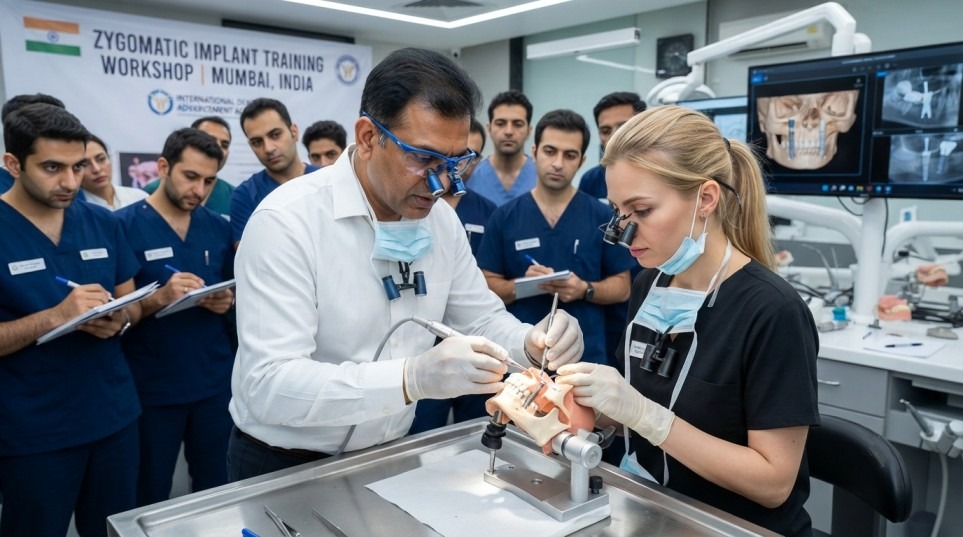
A Fellowship in Implant Dentistry in Bengaluru is an extended, mentor-led training programme rather than a one-off seminar. Learning is spread across several modules, so you can absorb a concept, practise it, and return with questions. Most fellowships blend lectures, model-based practice, live-surgery observation and supervised placement on patients. One important note: fellowships offered by private academies are usually continuing education, not a university degree, so always read the certification terms before you enrol.
Why Is Bengaluru a Strong Choice for Implant Training?
Bengaluru has a large dental community, many multi-speciality clinics and a steady flow of patients seeking implant care. Good air and rail connectivity helps dentists from other states attend modules without exhausting travel. The mix of corporate hospitals and private practices also exposes learners to varied case types. Study groups and conferences in the city give you a network to keep learning from long after the course ends.
Who Should Join a Dental Implant Fellowship?
Implant training is not only for specialists. Here is who gets the most from it:
- Fresh BDS graduates who want a strong clinical edge early in their careers
- General practitioners who refer implant cases and want to stop doing so
- Prosthodontists and periodontists looking to refine surgical technique
- Clinic owners who want to add a high-value service for their patients
- Dentists preparing for practice abroad who need broader clinical confidence
What Will You Actually Learn? Core Modules to Look For
A good curriculum goes well beyond drilling and placing a fixture. Look for these building blocks:
- Diagnosis and case selection, including reading CBCT scans correctly
- Treatment planning for single-tooth, multiple-tooth and full-arch cases
- Surgical protocols, from flap design to implant positioning
- Bone grafting and sinus lift basics for patients with limited bone
- Immediate loading concepts and when they are safe to use
- The prosthetic phase, because a perfect implant still needs a well-made crown
- Complication management, which is where real confidence is built
- Patient communication, so more people say yes to the treatment you recommend
Fellowship or Short Course: Which One Fits You?
A one- or two-day Dental Implantology Course in Bengaluru is a smart starting point if you only want to understand the basics, see a live case and decide whether implants suit your practice. It is quick, affordable and low-commitment. A fellowship, however, is built for dentists who want to place implants independently, because it offers repeated practice and mentor feedback over time.
Think of it this way: a short course shows you the road, while a fellowship teaches you to drive it. Some academies offer a full ladder, so you can start small and move up. For example, a structured implant fellowship program shows how surgical exposure can build step by step instead of arriving all at once.
How Many Live Surgeries Should a Good Programme Include?
There is no magic number, but the principle is simple: exposure should grow gradually. Beginners usually start by observing, then perform a few cases under close supervision, and only later handle more complex situations. Many dentists feel the shift toward independence somewhere after several supervised placements, not after a single demonstration.
What matters just as much is who holds the handpiece. Ask whether you will personally perform the surgeries or mostly watch, and how patient consent is handled. A progressive path such as a basic to advanced implantology program is a good example of how increasing case numbers can match your growing skill.
Seven Questions to Ask Before You Pay the Fee
- Who are the mentors, and do they still treat implant patients every day?
- How many surgeries will I personally perform, not just observe?
- What implant systems and surgical kits will I train on?
- Is the fee itemised, and what is refundable if my plans change?
- What does the certificate officially represent?
- Is there support for complications after the course ends?
- Can I speak to former participants about their real experience?
Career and Income: A Realistic View
Implants carry a higher per-case value than many routine procedures, which is why dentists find them attractive. However, results depend on your skill, patient flow, location and how well you communicate treatment options. Be cautious of any programme promising instant income or guaranteed multiples of your earnings. Steady growth comes from good case selection, ethical treatment and consistent follow-up with every patient.
Ready to compare your options? Take a look at the full range of dental academy courses and shortlist the level that matches your experience today.
Frequently Asked Questions
How long does a fellowship in dental implantology take?
Duration differs from one academy to another, ranging from a few intensive weeks to several months spread across modules. Ask for the full schedule, including practical days, so you can plan your clinic time properly.
Who is eligible for a dental implant fellowship?
Most programmes accept registered BDS and MDS dentists. Some also welcome final-year interns for introductory modules, so confirm the eligibility criteria with the academy directly.
Is an implant fellowship recognised by the Dental Council?
Private fellowships are generally continuing professional development and are not statutory qualifications. They improve your skills, but they do not replace your registration. Always read the disclaimer on the programme page.
Can a fresher place implants after completing a fellowship?
With enough supervised practice, many freshers feel ready to begin with simple, well-selected cases. It is wise to start small, keep mentor support available and take on complex cases gradually.
What is the difference between a fellowship, a diploma and a certificate course?
Certificate courses are usually shorter and introductory. Fellowships and diplomas run longer and include more hands-on work. The names vary between institutions, so compare the surgery count and mentorship rather than the title.
How much does a dental implant fellowship cost?
Fees vary widely depending on duration, surgeries included and materials used. Request an itemised fee sheet so you know exactly what is covered and what is extra.
Will I get live patient exposure?
Good programmes include live surgery observation and supervised placement. Ask how many cases you will handle yourself, and how patients are selected and consented.
How to Choose the Right Implant Fellowship: Your Final Checklist
Your Simple Decision Framework
Before you commit, run every programme through these five checks.
Point 1: Check the mentor’s real clinical track record
Learn from clinicians who place and restore implants regularly, not only from lecturers.
Point 2: Confirm genuine hands-on surgical exposure
Seeing a surgery is useful, but performing one under guidance is what builds skill.
Point 3: Read the certification disclaimer carefully
Understand exactly what your certificate represents before you pay.
Point 4: Ask about support after the course
Case discussions and mentor access after training can matter more than the course itself.
Point 5: Compare total cost against what is included
The cheapest fee is not always the best value if surgeries, materials or follow-up are extra.
If you want structured implant training with mentorship, Esthetica Dental Academy offers pathways from a one-day foundation course to fellowship, diploma and mini residency levels, guided by Prof. Dr. Sharad Arya. Please note that the academy is based in Mohali (Chandigarh Tricity), so confirm batch locations and dates before planning travel. Contact the team today to discuss which level suits your experience and goals.