









Clinical Dental Training India for International Dentists | 2026
If you practise dentistry outside India and want to sharpen your implant skills without spending a fortune, clinical dental training India for international dentists deserves a spot on your shortlist. India treats a very large number of dental patients every year, so trainees get to see a wide mix of real cases. In this guide we explain what the training looks like, who it suits, what to check before you book, and how to plan your trip in 2026.
Why Are So Many Overseas Dentists Looking at India for Training?
Ask any dentist who has trained abroad and you will hear the same thing: textbooks only take you so far. Confidence comes from seeing cases, planning them, and watching an experienced clinician solve problems in real time. India offers this in volume. High patient numbers mean trainees are exposed to everything from simple single-tooth implants to complex full-arch rehabilitation in a short span of time.
Cost is the second draw. Travel, stay, and course fees in India are often lower than comparable programs in Europe, North America, or Australia, so a dentist can invest in new skills without taking on heavy debt. English is also widely used in clinical settings, which removes another barrier. For many foreign dentists, the whole package simply makes practical sense.
What Does Clinical Dental Training in India Usually Include?
The exact curriculum depends on the program, but a good one blends theory with practice. For implant-focused training, here is what you can generally expect to see covered:
- CBCT-guided diagnosis and case selection
- Digital implant planning and surgical guides
- Implant placement techniques, step by step
- Immediate loading protocols
- Soft tissue management and grafting basics
- Prosthetic workflows and full-mouth restoration
Programs built around All-on-6 dental implant rehabilitation also walk you through how a full arch is planned, placed, and restored. Before you pay for anything, ask for the day-by-day schedule so you know exactly how much time goes to lectures, demonstrations, and practical work.
Dental Training Courses in India for International Dentists: Is It Right for You?
Dental training courses in India for international dentists tend to suit three groups. General dentists who want to add implants to their practice are the most common. Specialists who want to refine full-arch or digital workflows come next. Recently qualified dentists who feel under-exposed to surgical cases make up the third group, and they often gain the most.
It may not be the right fit if you expect to practise independently in India afterwards. Registration rules are separate from any short course, and a certificate of participation does not change that. If your goal is skill-building and mentorship, though, this route can be a smart and affordable choice.
Why Hands-On Clinical Dental Training in India Beats Watching Videos
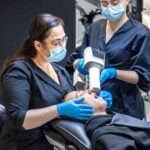
Videos are great for revision, but they cannot answer your questions mid-procedure. Hands-on clinical dental training in India puts you next to the clinician as decisions are made: why this implant size, why this angulation, why wait or load immediately. That kind of context is hard to get any other way.
Look for programs with live clinical demonstrations, case-based discussions, and small training groups. Smaller groups mean more time with the mentor and more chances to ask questions. One practical tip: ask in writing what you will be allowed to do yourself and what you will only observe, because this depends on the program and on your own professional registration.
Advanced Dental Courses for Foreign Dentists: Topics Worth Prioritising
If you are choosing between several modules, advanced dental courses for foreign dentists are most valuable when they cover problems you meet in your own clinic. Think about the cases that make you hesitate or refer patients away, then pick topics that close those gaps.
Four areas are worth a close look. Full-arch planning teaches you to think about the whole mouth, not one tooth. Digital workflows save chair time and improve accuracy. Bone and soft tissue management protects long-term results. And complication handling, which many courses skip, helps you stay calm when something does not go to plan.
An Honest Note: Training Is Not a Degree or a License
This point matters, so we are saying it plainly. Clinical training and mentorship programs are for professional development. They are not a degree, diploma, residency, or internship, and they are not a statutory qualification recognised by the National Dental Council or any regulator.
The certificate you receive shows that you took part in the training. It does not give you a licence to practise in India or change your existing registration. Any provider that suggests otherwise is a red flag, so read the disclaimer on a program’s website before you enrol.
Your 2026 Trip Planning Checklist
A little planning makes the visit smoother. Start with this list:
- Visa: check the correct category and current rules on official Indian government sources, since requirements depend on your nationality and purpose of travel.
- Documents: carry your professional registration certificate, ID, and any letters the academy asks for.
- Stay: book accommodation close to the clinic or training venue to save time each day.
- Fees and refunds: get a written fee breakdown and read the refund terms, because registration fees are often non-refundable.
- Extra days: add a few days for rest or sightseeing so the trip is not all work.
If you are also curious about travelling for treatment, our page on dental tourism in India explains how overseas visits are usually organised, and the international patients journey shows what the experience looks like.
Related reading: browse our dental implant course articles, our dental certificate course guides, and our latest dental blog posts.
How to Pick the Right Program: 5 Questions to Ask
- Who teaches the course?
Look up the mentor’s background, experience, and published work. - How big is each group?
Fewer participants usually means more personal guidance. - What is practical and what is observation?
Get the answer in writing. - What happens after the course?
Ask whether you can send cases for advice later. - What are the full costs?
Include fees, travel, stay, and any extras so there are no surprises.
Three Mistakes to Avoid When Choosing Training Abroad
The first mistake is choosing on price alone. A cheap course with large groups and little practical work can cost you more in the end, because you go home with notes but no extra confidence. Compare value, not just the fee.
The second is assuming the certificate will open doors. A certificate of participation is useful for your records and CV, but it does not replace registration or a degree. Keep your expectations realistic.
The third is forgetting to ask about follow-up. Skills fade without support. Ask whether the mentor is available for case advice after you return home, because that is often where the real learning continues.
Want to see what is on offer? Explore the full list of dental academy courses or read about the international dentist training program in India before you decide.
Frequently Asked Questions
Can international dentists take clinical dental training in India?
Yes. Many programs welcome overseas dentists, and some are designed around their needs. Eligibility usually depends on holding a valid dental qualification and registration in your home country, so confirm the requirements with the academy before applying.
How long does clinical dental training in India take?
It varies. Some programs are short and intensive, while others spread learning over several modules or include longer mentorship. Ask for the exact dates and daily schedule so you can plan leave and travel properly.
Is the training a recognised degree or diploma?
No. These programs are meant for skill development and mentorship. They are not a statutory qualification, and the certificate only confirms that you took part in the training.
Can I treat patients in India after finishing the course?
Not independently. Practising in India depends on registration with the relevant authority, which a short course does not provide. What you gain is knowledge and skills that you can apply in your own country within your existing registration.
Which topics are most popular among foreign dentists?
Implant dentistry leads by a distance, especially full-arch cases such as All-on-6, immediate loading, and digital planning. Smile design and endodontics also attract interest, so check which modules a program actually offers.
How much does dental training in India cost?
Fees depend on the program, its length, and what is included. Ask for a written breakdown, and remember to budget for flights, accommodation, food, and local travel. Also check the refund policy, as registration fees are often non-refundable.
Do I need a visa to train in India?
Most international visitors do. The right category depends on your nationality and why you are travelling, so check current rules on official government websites and apply well ahead of your dates.
Start Your Training Journey in India
Learn From Practising Clinicians
Real cases, real decisions
Watching a working clinician plan and explain a case teaches more than any slide deck.
Evidence-based methods
Good programs rely on proven protocols rather than shortcuts.
Small Groups, Real Attention
More time with your mentor
Small batches leave room for questions and individual feedback.
Case discussions that stick
Talking through your own tricky cases makes lessons easier to remember.
Support for Overseas Dentists
Clear communication before you travel
A responsive team helps with schedules, documents, and practical questions.
A plan you can trust
When the schedule, costs, and limits are explained up front, you can focus on learning.
If you are ready to build real confidence in implant dentistry, Esthetica Dental Academy offers clinical training with CBCT-guided diagnosis, digital planning, live demonstrations, and mentorship in small groups. Review the dental implant treatment page to see the clinical standards behind the training, learn about the founder on the Dr. Sharad Arya profile, and then book your consultation today to reserve your place.
Clinical Dental Training in India for International Dentists
2-Day
Implantology
An intensive introduction for dentists who want to understand the complete implant workflow.
- ✓2 Days intensive training
- ✓Basic implantology concepts
- ✓Surgical kit demonstration
- ✓Hands-on training
- ✓Live implant surgery exposure
- ✓Certificate
Basic to Advanced
Comprehensive clinical training covering implant placement, bone grafting, sinus lift and prosthetic workflows.
- ✓5–7 Days training
- ✓Live patient surgeries
- ✓Implant placement
- ✓Bone grafting
- ✓Sinus lift
- ✓CBCT planning
- ✓Prosthetic workflow
Implant Diploma
Advanced structured training for dentists seeking deeper implant surgery and prosthetic exposure.
- ✓7 Days intensive program
- ✓15 implant procedures
- ✓Advanced surgery
- ✓Bone management
- ✓Sinus lift
- ✓Prosthetic rehabilitation
- ✓Extended mentorship
Customize Your
Course
Need a program designed around your specific clinical requirements? Build a customized implantology training plan with our team.
- ✓Choose your training duration
- ✓Select specific clinical procedures
- ✓Personalized learning objectives
- ✓Hands-on clinical exposure
- ✓Advanced implantology topics
- ✓Individual mentorship options