









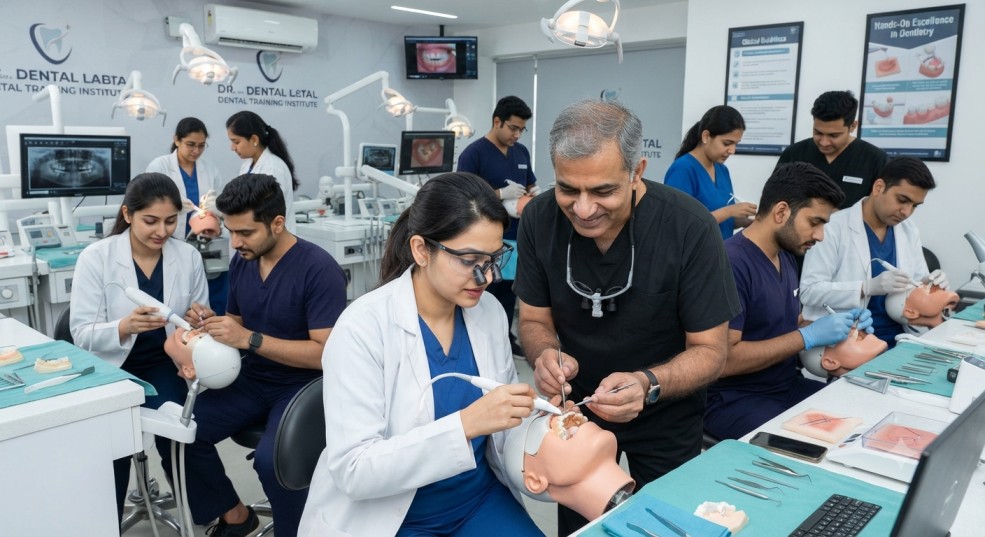
Clinical Dental Training in India for International Dentists: Learn by Doing, Not Just Watching
Clinical dental training in India has become a go-to choice for dentists who want practical exposure instead of theory-heavy lectures. Each year, practitioners from Africa, the Middle East, Europe and Southeast Asia travel to Indian clinics to observe live cases, ask questions in real time and sharpen their decision-making. If you have been wondering whether the trip is worth your time and money, this guide covers what the training includes, who it suits and how to choose a program you can trust.
Why Are Dentists From Every Continent Looking at India?
India treats a very large number of dental patients every day, so trainees see a wide range of cases in a short time. A single week can include simple extractions, complex implant placements and full-arch rehabilitation. That variety is hard to match in clinics where case flow is slow or heavily restricted.
Cost is another reason. Course fees, accommodation and daily living expenses are generally lower than in many Western countries, so a focused training stay is realistic even for a young practitioner. Add English-speaking mentors and clinics equipped with digital tools, and you can see why clinical dental courses in India for international dentists are gaining attention.
What Does Clinical Dental Training in India Actually Include?
A good program combines three things: structured teaching, live clinical exposure and mentoring after the course. Here is what to expect from the better ones.
Diagnosis and Treatment Planning
You learn how to read a CBCT scan, assess bone quality and decide whether a case is simple or risky. Many programs also teach digital planning, so you can see the final result on screen before any procedure begins.
Live Case Demonstrations
Watching a procedure from start to finish teaches things no textbook can: how to handle soft tissue gently, how to stay calm when a case changes midway and how to manage patient anxiety. Our guide to dental academy courses lists the formats currently available.
Prosthetic and Restorative Workflows
Surgery is only half of the story. Quality training also covers impressions, temporization and final restorations, because a successful outcome depends on the whole chain.
Clinical Dental Courses in India for International Dentists: What Should You Look For?
Start with the instructors. Look for mentors who practise daily and have years of case experience, not only teaching credentials. Then check group size. Small batches mean more time with the mentor and a better chance to ask your own questions.
Next, ask how much of the schedule is practical. If most of the week is spent in a lecture hall, the program may not match what you need. Finally, read the fine print about certificates, refunds and what the program legally allows you to do. A transparent academy will answer these questions clearly and in writing.
Hands-On Dental Training in India: Why Live Cases Beat Lectures
Hands-on dental training in India gives you something online courses cannot: context. You see how the team prepares the patient, how the assistant sets up the tray and how the clinician adapts when anatomy differs from the scan. These small details build the judgement that makes you safer and faster.
It also makes learning stick. Research on adult learning consistently shows that people remember more from active participation than from passive listening. When you watch, discuss and then reflect on a real case, the lesson becomes part of your clinical memory. For many dentists, a full-mouth rehabilitation case is the moment where everything finally connects.
Advanced Dental Training for Foreign Dentists: Topics That Matter Most
Advanced dental training for foreign dentists usually goes beyond the basics. Popular topics include immediate loading, full-arch protocols such as All-on-6, bone grafting and sinus management, and soft tissue aesthetics. Each topic helps you handle cases that you might currently refer away.
Some dentists also look for add-on skills that make their practice more complete. Examples include laser dentistry for gentler soft tissue procedures and smile design for patients who want a cosmetic transformation. Choose topics that match the patients you actually see at home.
Who Can Join, and What Are the Legal Limits?
Most programs welcome qualified dentists, specialists and sometimes final-year students. You will normally need to show your dental degree and registration. Because rules can change, confirm eligibility directly with the academy before you pay anything.
One important point: a training or mentorship program is not the same as a degree, diploma or licence. It does not allow you to practise independently in India without the required registration, and the certificate you receive is proof of participation only. Honest academies state this openly. If a provider promises otherwise, treat it as a warning sign.
How to Choose the Right Program: A Practical Checklist
- Read the curriculum day by day. Vague outlines usually mean vague teaching.
- Ask about case volume. You want enough live cases to learn from, not one demonstration spread across a week.
- Check the mentors’ track record. Look at their clinical background and published case work.
- Request references. Past participants can tell you what a brochure will not.
- Review the policies. Fees, cancellation terms and certificate wording should be clear before you commit.
It also helps to read stories from earlier visitors. The international patients’ journey page shows how an Indian clinic treats visitors from abroad, which is a useful sign of its overall culture.
Planning Your Trip: Visa, Stay and Travel Tips
Check the visa category that fits your purpose of visit well before you travel, since processing times differ by country. Carry your academic documents, registration proof and the academy’s invitation or confirmation letter. Book accommodation close to the clinic so that daily travel does not eat into your learning time.
Northern cities such as Chandigarh and Mohali are generally calm, well planned and easy to move around in. If you want to combine learning with some rest, read about dental tourism in India to see how visitors plan their stay. Keep a few free days at the end for sightseeing, because a refreshed mind retains more.
Frequently Asked Questions
1. Is clinical dental training in India worth it for international dentists?
For most practitioners, yes, provided the program offers real case exposure and small groups. The value comes from watching many varied cases in a short period, which is difficult to find elsewhere.
2. Can foreign dentists treat patients during the training?
Usually the training is observational or closely supervised. Independent practice in India requires registration with the proper authority, so always ask the academy exactly what is permitted.
3. How long do hands-on dental training programs in India last?
Durations range from a few days to several weeks, depending on the topic. Intensive implant programmes are often short, while mentorship formats may run longer or include follow-up support.
4. What qualifications do I need to apply?
A recognised dental degree is the basic requirement. Some programmes also ask for proof of registration and a short note on your clinical experience.
5. Will I receive a certificate?
Most academies give a certificate of participation. It shows that you completed the program but is not a degree, diploma or licence to practise.
6. How much does dental training in India cost?
Fees depend on the course length, topic and group size. Ask for a clear written breakup covering tuition, materials and any extras, and check the refund policy before paying.
7. Which topics are most popular with foreign dentists?
Implant dentistry leads by a wide margin, especially full-arch rehabilitation, immediate loading and digital planning. Smile design and endodontics are also common choices.
Ready to Train in India? Take the Next Step Today
Not Sure Where to Begin?
Start with a conversation
Tell the team about your current experience and the cases you want to handle with confidence. A short chat helps you pick the right level instead of guessing from a brochure.
Review the program details
Look at the schedule, group size and policies carefully. You can also read the profile of a senior implant clinician to understand who will guide your learning, and browse more articles on our dental blog.
Choose a Learning Path That Fits You
Short intensive programs
Good if you have limited time away from your practice and want focused exposure to a single topic.
Extended mentorship
Ideal if you prefer step-by-step guidance and ongoing support as you apply new techniques at home.
Book your place now: Get in touch to reserve your seat or explore the international dentist training program to find the right fit.
If you want practical learning, small batches and honest guidance from first enquiry to final day, Esthetica Dental Academy is ready to help you take the next confident step in your clinical journey.
Clinical Dental Training in India for International Dentists
2-Day
Implantology
An intensive introduction for dentists who want to understand the complete implant workflow.
- ✓2 Days intensive training
- ✓Basic implantology concepts
- ✓Surgical kit demonstration
- ✓Hands-on training
- ✓Live implant surgery exposure
- ✓Certificate
Basic to Advanced
Comprehensive clinical training covering implant placement, bone grafting, sinus lift and prosthetic workflows.
- ✓5–7 Days training
- ✓Live patient surgeries
- ✓Implant placement
- ✓Bone grafting
- ✓Sinus lift
- ✓CBCT planning
- ✓Prosthetic workflow
Implant Diploma
Advanced structured training for dentists seeking deeper implant surgery and prosthetic exposure.
- ✓7 Days intensive program
- ✓15 implant procedures
- ✓Advanced surgery
- ✓Bone management
- ✓Sinus lift
- ✓Prosthetic rehabilitation
- ✓Extended mentorship
Customize Your
Course
Need a program designed around your specific clinical requirements? Build a customized implantology training plan with our team.
- ✓Choose your training duration
- ✓Select specific clinical procedures
- ✓Personalized learning objectives
- ✓Hands-on clinical exposure
- ✓Advanced implantology topics
- ✓Individual mentorship options