







All-on-X Implant Training in India for New Zealand Dentists ?
If you are a dentist in Auckland, Wellington, Christchurch or a smaller New Zealand town, you have probably met patients who want fixed teeth in a single treatment plan. All-on-X implant training in India for New Zealand dentists is becoming a popular way to build that skill without the long waiting lists and high fees of many Western programs. A well-designed All-on-X dental implant course in India gives you live case exposure, structured mentoring and repeatable protocols. This guide explains what to expect, how to plan your trip and how to choose among options for dental implant training in India for New Zealand dentists, including advanced dental implant training in India for clinicians who already place single implants.
Why Are New Zealand Dentists Looking Beyond Home for Implant Education?
Patients are asking for full-arch solutions more often than they used to. Many of them are tired of loose dentures. Others have failing teeth and want a plan that does not drag on for years.
Training at home can be excellent, but seats are limited and schedules fill early. Courses are often lecture-heavy, with few chances to work on real patients. Costs add up quickly too, once you include travel between cities and time away from your own chair.
India has become a serious destination for implant education because of case volume. Clinicians there treat many full-arch patients every week, so a participant sees more cases in a few days than they might see in months at home. For a busy dentist, that kind of concentrated exposure can speed up learning.
What Exactly Is All-on-X, and Why Does It Matter in Your Practice?
“All-on-X” is a flexible name for fixed full-arch rehabilitation. The “X” stands for the number of implants chosen for each patient. That could be four, five or six, depending on bone quality, anatomy and bite forces.
All-on-4 vs All-on-6: How the Decision Is Made
All-on-4 uses two straight implants in front and two tilted ones at the back. It can avoid bone grafting in many cases. All-on-6 spreads the load across more implants, which some clinicians prefer for softer bone or long-span prostheses.
There is no single right answer. A good course teaches you how to read the case and justify your choice, rather than memorising one template.
Which Patients Are Good Candidates?
Typical candidates include people with advanced gum disease, patients with failing dentition and long-term denture wearers who struggle with comfort. Your training should also cover red flags, such as uncontrolled diabetes, heavy smoking or severe bruxism, and how to manage them.
What a Good All-on-X Dental Implant Course in India Should Teach You
Not every program is built the same way. Before you book, check that the syllabus covers the full journey from first consultation to final prosthesis.
Diagnosis and Digital Planning
Everything starts with the right diagnosis. Look for training that covers:
CBCT interpretation
You should learn to assess bone height, width, sinus position and nerve location, so every implant position is planned before surgery.
Digital smile and prosthetic-driven planning
Modern full-arch work begins with the final teeth in mind, then places implants to support them.
Treatment sequencing
You will want clear guidance on when extractions, immediate placement and temporary prostheses are appropriate.
Surgical Protocols
This is the part most dentists worry about, and rightly so. Quality training should include:
Implant angulation and distribution
Understanding anterior–posterior spread and tilting techniques helps you build stable, long-lasting restorations.
Immediate loading criteria
Not every case suits same-day teeth. You need to know insertion torque thresholds and when a delayed approach is safer.
Soft tissue handling
Flap design, bone reduction and suturing affect healing and appearance. These details are often skipped in short lectures.
Prosthetic Workflow
Many failures come from the prosthesis, not the surgery. A strong All-on-X dental implant course in India should walk you through provisional prostheses, verification of fit, occlusal schemes, final design and maintenance plans.
Complications and Troubleshooting
You learn the most from seeing what can go wrong. Ask whether the faculty discuss loosening screws, fractured provisionals, infection and failed osseointegration, and how they would recover each situation.
Why India? The Case for Training in Mohali and the Tricity Region
India offers a mix of clinical volume, experienced faculty and cost efficiency. The Chandigarh–Mohali–Panchkula area, often called the Tricity, has a strong dental community and good connectivity to Delhi and international flights.
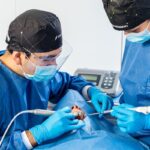
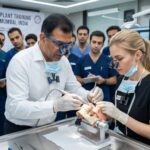
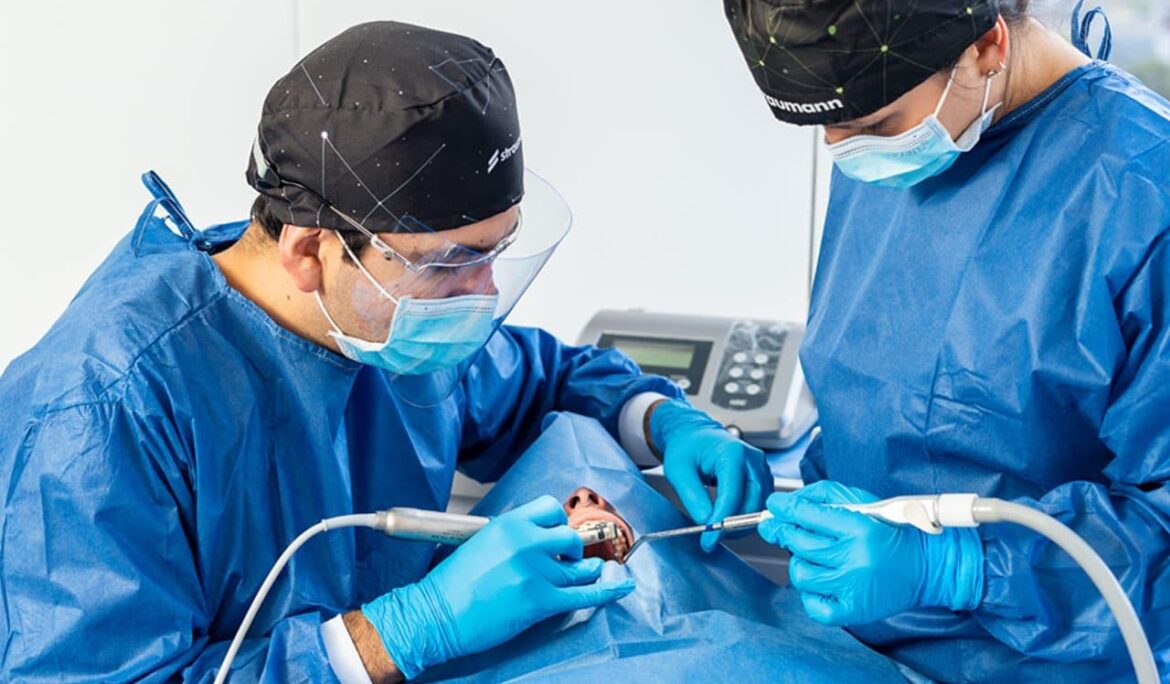
A hands-on programme here lets you watch procedures on real patients, ask questions during surgery and review cases afterwards. Some academies also run an international dentist training program in India designed for overseas clinicians who need a structured, practical schedule.
Learning in a real clinical setting also shows you how a full-arch practice runs day to day: how appointments are sequenced, how the lab team coordinates and how patients are guided through each stage.
Who Should Consider This Training?
This kind of course suits several types of clinician:
- General dentists who place single implants and want to move into full-arch work
- Prosthodontists who want more surgical confidence
- Oral surgeons who want a standardised, prosthetically driven protocol
- Practice owners planning to add implants as a new service line
- Recent graduates who want mentoring beyond university
If you have never placed an implant, begin with a foundation program first. Full-arch cases are demanding, and a good mentor will tell you honestly if you are ready.
Planning Your Trip from New Zealand
Practical details can make or break the experience, so plan them early.
Travel time. Flights from New Zealand to northern India usually involve one connection, often through Singapore, Kuala Lumpur or an Australian city. Allow a day or two to recover before the course begins.
Visa. Check the current Indian visa category that applies to you and apply well ahead of your dates. Rules change, so rely only on official government sources.
Accommodation. Many participants choose a hotel in Mohali or Chandigarh, close to the clinic, which keeps daily travel short.
Registration and CPD. Confirm with the Dental Council of New Zealand how overseas training may count toward your continuing professional development. Keep your certificate of participation, programme outline and attendance records.
Time away. Plan your patient diary and locum cover before you leave, so you can focus fully on learning.
How to Choose the Right Course: A Simple Checklist
Use these questions when you compare options for advanced dental implant training in India:
- Is the training genuinely hands-on, with live patients or realistic models?
- How many participants are in each group? Smaller groups mean more feedback.
- Does the syllabus include digital planning, surgery and prosthetics?
- Who are the mentors, and how much clinical experience do they have?
- Is there follow-up support after you return home?
- Is the programme honest about what the certificate represents?
That last point matters. A CPD or mentorship certificate shows participation and learning, but it is not a degree or a licence, and it does not change your registration. Be wary of any provider that implies otherwise.
You can also meet the lead mentor behind a programme and read about their background before you commit.
Turning Training Into Practice Back Home
Returning home is where the real work begins. Start with simpler full-arch cases, such as a well-supported lower arch with good bone, and build up. Work with a trusted laboratory and keep careful records of every step.
Patient communication matters as much as technique. Explain the stages clearly, set realistic expectations for healing and agree on a maintenance schedule. Patients who understand the plan are more likely to follow it.
Reviewing outcomes with your mentor after the course can also shorten your learning curve. Many dentists find that a few early cases, discussed with someone experienced, build confidence faster than another weekend course.
If you want to see how finished work looks, you can explore a clinic’s before and after treatment cases and read about its full-mouth dental implants approach to understand the end result you are working toward.
Frequently Asked Questions
1. What is All-on-X implant training?
It is a course that teaches dentists how to plan, place and restore a fixed full-arch bridge supported by a set number of implants, usually four to six per arch.
2. Is All-on-X training in India suitable for New Zealand dentists?
Yes, many overseas dentists choose India for its case volume and cost efficiency. Check that the course matches your experience level and your CPD needs.
3. How long does an All-on-X dental implant course in India take?
Duration varies by provider, from a few intensive days to a longer mentorship programme. Ask for the current schedule and daily timetable before booking.
4. Will I get hands-on experience?
A good program offers live demonstrations and supervised practice. Confirm exactly how much of the course is practical, since this differs between academies.
5. Do I need prior implant experience?
Most advanced programs expect you to have placed single implants. Beginners should start with a foundation course first.
6. Is the certificate recognised in New Zealand?
Certificates from short training courses typically show participation and do not replace registration or a formal qualification. Speak with the Dental Council of New Zealand about how it may count toward your CPD.
7. What should I budget for the whole trip?
Costs include course fees, flights, accommodation, food and local transport, plus any lost clinic income. Request a full fee breakdown in writing before you pay.
Related Reading and Next Steps
If you want to go deeper before deciding, browse the dental implant course articles, explore dental tourism in India to see how overseas patients are supported, or read the international patients’ journey for a view of the process from the patient side. You can also check the full list of dental academy courses to compare formats.
Ready to take the next step? Book an appointment or message the team on WhatsApp at 9817230279 to ask about dates, group size and what is included.
Conclusion: Build Full-Arch Confidence the Right Way
Learning full-arch implantology is a career-changing step, but only when the training is hands-on, honest and well supported. Take your time, compare programmes carefully and choose the one that fits your current skill level. For dentists who want structured, practical education in Mohali, Esthetica Dental Academy offers implant training with live demonstrations, digital planning and personal mentoring.
Book Your Training for Upcoming Months
We provide both online and offline training to help you enhance your skills. Book your training session for the upcoming months today!
2-Day
Implantology
An intensive introduction for dentists who want to understand the complete implant workflow.
- ✓2 Days intensive training
- ✓Basic implantology concepts
- ✓Surgical kit demonstration
- ✓Hands-on training
- ✓Live implant surgery exposure
- ✓Certificate
Basic to Advanced
Comprehensive clinical training covering implant placement, bone grafting, sinus lift and prosthetic workflows.
- ✓5–7 Days training
- ✓Live patient surgeries
- ✓Implant placement
- ✓Bone grafting
- ✓Sinus lift
- ✓CBCT planning
- ✓Prosthetic workflow
Implant Diploma
Advanced structured training for dentists seeking deeper implant surgery and prosthetic exposure.
- ✓7 Days intensive program
- ✓15 implant procedures
- ✓Advanced surgery
- ✓Bone management
- ✓Sinus lift
- ✓Prosthetic rehabilitation
- ✓Extended mentorship
Customize Your
Course
Need a program designed around your specific clinical requirements? Build a customized implantology training plan with our team.
- ✓Choose your training duration
- ✓Select specific clinical procedures
- ✓Personalized learning objectives
- ✓Hands-on clinical exposure
- ✓Advanced implantology topics
- ✓Individual mentorship options