








All-on-6 Implant Training in India for Singapore Dentists 2026
Why Singapore Dentists Are Looking at India for Full-Arch Implant Skills
Full-arch rehabilitation is one of the fastest-growing areas in restorative dentistry, and more clinicians are asking where to learn it properly. All-on-6 implant training in India for Singapore dentists has become a popular option because it combines high case volume, structured mentorship and a clear cost advantage. Many Singapore practitioners already place single implants but hesitate when a patient needs a complete arch. Training abroad lets them close that gap without pausing their careers for months.
India also treats a large number of edentulous and failing-dentition patients every year. That means participants can see real planning decisions, real surgical variations and real prosthetic problem-solving rather than only textbook examples. For a dentist who wants to offer full-arch care at home, this exposure matters more than another lecture series. It is also why the All-on-6 dental implant course in India keeps appearing on shortlists in 2026.
What Is the All-on-6 Concept, and Why Does It Matter?
All-on-6 is a full-arch protocol in which six implants support a fixed prosthesis for a patient who has lost most or all teeth in one jaw. Using six fixation points instead of four spreads the bite load more evenly. This is useful in softer bone, in the upper jaw and in patients with strong chewing forces. The result is often a stable, natural-looking arch that patients can use soon after surgery.
For the clinician, the concept is less about speed and more about predictability. Good outcomes depend on correct implant distribution, angulation, primary stability and a well-fitted temporary prosthesis. A solid dental implant training for Singapore dentists program therefore teaches the reasoning behind each choice, not just the steps. Understanding the “why” is what lets you adapt when a case does not match the textbook.
Who Should Join This Training?
This kind of course suits general dentists who already place implants and want to move into complex cases. It also suits prosthodontists, periodontists and oral surgeons who want a more complete full-arch workflow. Dentists who currently refer full-arch patients elsewhere often join because they want to keep those treatments inside their own clinic. A basic comfort with surgical procedures and restorative dentistry is helpful before enrolling.
If you are newer to implants, a good program should still welcome you, but you may want to start with fundamentals. Ask the organizers about prerequisites before booking flights. Honest guidance at this stage saves time and ensures you get real value from the days you invest. Book a pre-course consultation to check whether your current experience level fits the program.
What a Good Advanced Dental Implant Training in India Should Cover
Strong advanced dental implant training in India does not stop at placing fixtures. It walks you through the entire journey, from the first consultation to the final prosthesis. Look for a curriculum that covers diagnosis, digital planning, surgery, immediate loading and long-term maintenance. The more of the workflow you see, the fewer surprises you face in your own clinic.
Here are the core areas worth checking in any syllabus:
- CBCT-guided diagnosis and bone assessment for full-arch cases
- Digital implant planning and treatment simulation
- Implant positioning, angulation and distribution principles
- Immediate loading protocols and provisional prosthesis design
- Soft tissue management and complication handling
- Final prosthetic workflow and follow-up care
Hands-On Learning vs. Lectures: Why It Changes Everything
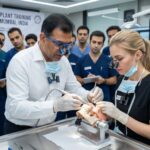
Reading about full-arch surgery and performing it are very different experiences. Hands-on sessions, including live demonstrations and supervised practice, build the muscle memory and judgment that lectures cannot. You learn how bone actually feels under the drill and how small changes in angulation affect the final result. That is the confidence you carry back to your own patients.
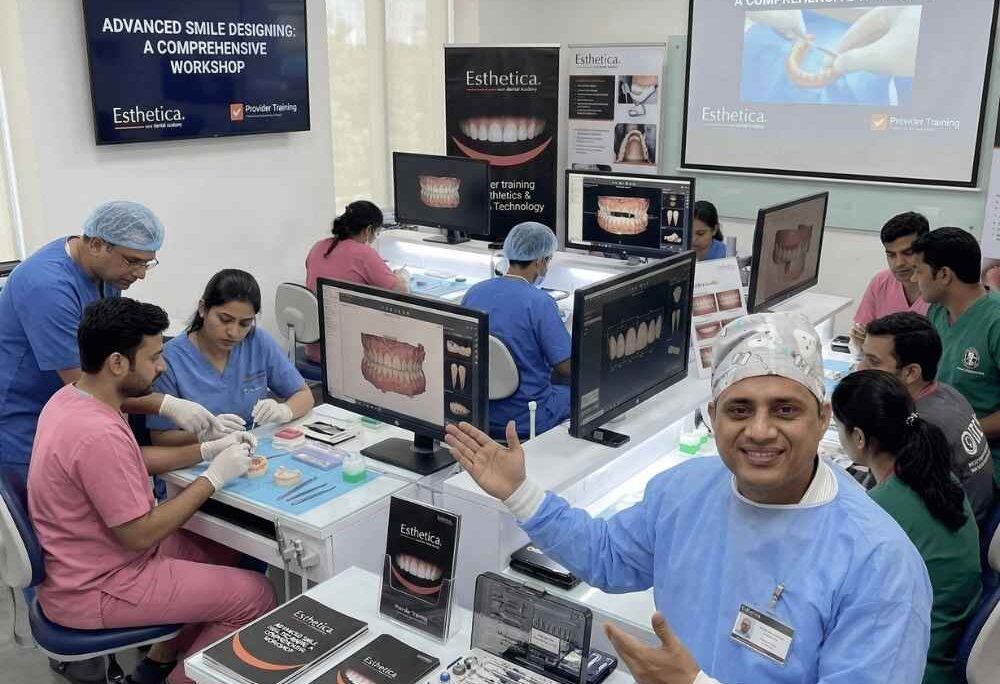
Small batches make this even more effective. When the group is limited in size, every participant gets direct feedback instead of watching from the back of a room. When comparing programs, ask how many people share each session and how much time is truly hands-on. Reserve your seat early, because quality courses with personal mentorship tend to fill quickly.
Digital Workflow: CBCT, 3D Planning and Predictable Outcomes
Modern full-arch dentistry relies heavily on digital planning. A CBCT scan shows bone volume, nerve position and sinus anatomy in three dimensions, which helps you decide implant positions before you ever pick up a scalpel. Planning software then lets you simulate the final result and discuss it with the patient. This reduces guesswork and supports safer, more consistent surgery.
For visiting dentists, learning this workflow is often the most valuable takeaway. Once you understand how to move from scan to plan to prosthesis, you can apply the method with almost any implant system. It also improves how you explain treatment to patients, which builds trust and acceptance. If digital dentistry is on your 2026 goals, make sure your chosen course teaches it in depth.
Cost, Travel and Time: Planning Your Training Trip Wisely
Cost is a major reason Singapore dentists consider training in India. Course fees, accommodation and daily expenses are often more manageable than comparable programs in Europe or North America. Direct flights and a manageable time difference also make the logistics simpler. Even so, you should plan the whole budget, including visa needs, local transport and a buffer for extra days.
Pick dates that do not clash with your busiest clinic periods, and arrange coverage for your patients in advance. Ask the organizers for a clear breakdown of what the fee includes, such as materials, course notes and certificates. Clear answers before booking are a good sign of a well-run academy. Request the fee structure and schedule in writing before you commit.
Understanding Certificates and Professional Recognition
This point deserves honesty. Short clinical training programs are designed for skill development and continuing professional growth. In most cases, they are not degrees, diplomas or statutory qualifications, and a participation certificate does not by itself grant a right to practice in another jurisdiction. You remain bound by the registration and scope of practice you already hold in Singapore.
Before enrolling, check with the relevant Singapore dental authority about how overseas training is viewed for your own situation. Ask the academy to explain exactly what the certificate represents. A transparent organizer will be happy to clarify this. Choosing a program with open, realistic communication protects your reputation and your patients.
How to Choose the Right Implant Course: A Quick Checklist
With so many options, a simple checklist helps you compare programs fairly. Start with the faculty: are they active clinicians who treat full-arch cases regularly? Then look at the balance between theory, live cases and hands-on practice. Finally, check how much support you receive after the course ends, because questions will come up once you start your first cases.
- Active, experienced faculty with real full-arch case volume
- Small groups with direct, personal feedback
- A transparent syllabus covering planning, surgery and prosthetics
- Clear information about certificates and what they mean
- Post-course mentorship for your first independent cases
- Honest answers about fees, inclusions and schedule
Common Mistakes Dentists Make When Starting Full-Arch Cases
New full-arch clinicians often underestimate the planning stage. Rushing into surgery without a proper CBCT review, prosthetic plan or bone assessment is a frequent cause of complications. Another common error is accepting cases that are too complex too early. Starting with simpler arches and gradually building experience is a safer path.
Patient communication is the other trap. Full-arch treatment involves multiple stages, healing periods and maintenance visits, so expectations must be set clearly from the first appointment. Good training prepares you for these realities as much as for the surgery itself. Learn from mentors who openly discuss mistakes, not just success stories.
Frequently Asked Questions
1. What is All-on-6 implant training?
It is a clinical program that teaches dentists how to plan, place and restore a full arch of teeth on six implants. Good courses combine diagnosis, digital planning, surgery and prosthetics in one workflow.
2. Why do Singapore dentists choose India for implant training?
Many choose India for case exposure, hands-on opportunities and affordable overall costs. Convenient travel and structured mentorship add to the appeal.
3. Do I need prior implant experience to join?
Basic implant and surgical experience is usually recommended for full-arch programs. Beginners may benefit from foundation training first, so confirm prerequisites with the organizer.
4. How long does an All-on-6 implant course take?
Duration varies by program and may range from a few days to a longer mentorship format. Check the exact schedule and number of live or hands-on sessions before booking.
5. Will the certificate allow me to practice in India?
No. Short clinical training certificates generally confirm participation only and do not replace registration or licensing requirements. Always verify your own professional obligations.
6. Is All-on-6 better than All-on-4?
Neither is universally better. All-on-6 uses extra implants to distribute load, which can help in certain bone and bite situations, while the right choice depends on each patient’s anatomy.
7. What should I bring to the training?
Carry your professional documents, any case records you wish to discuss and basic travel essentials. Ask the academy whether instruments and materials are provided.
Take the Next Step in Full-Arch Implant Dentistry
Full-arch skills can transform both your clinical confidence and the range of patients you can help. If you are serious about All-on-6 implant training in India for Singapore dentists, start by comparing syllabi, faculty and mentorship support. Then reach out with your questions and share your experience level so the team can guide you honestly. Contact the team today to discuss dates, fees and eligibility.
Learn With Esthetica Advanced Dental Academy
For dentists who want structured, mentorship-driven full-arch education, Esthetica Advanced Dental Academy offers implant programs built around CBCT-guided diagnosis, digital workflows, live demonstrations and small-group learning. Visit the academy page, review the available courses and message the team to find the format that suits your experience. Enquire now to secure your place in the next batch.
All-on-6 Implant Training in India for Singapore Dentists
Open to Singapore & International Dentists
Free Pre-Course Consultation | Limited Seats Per Batch