









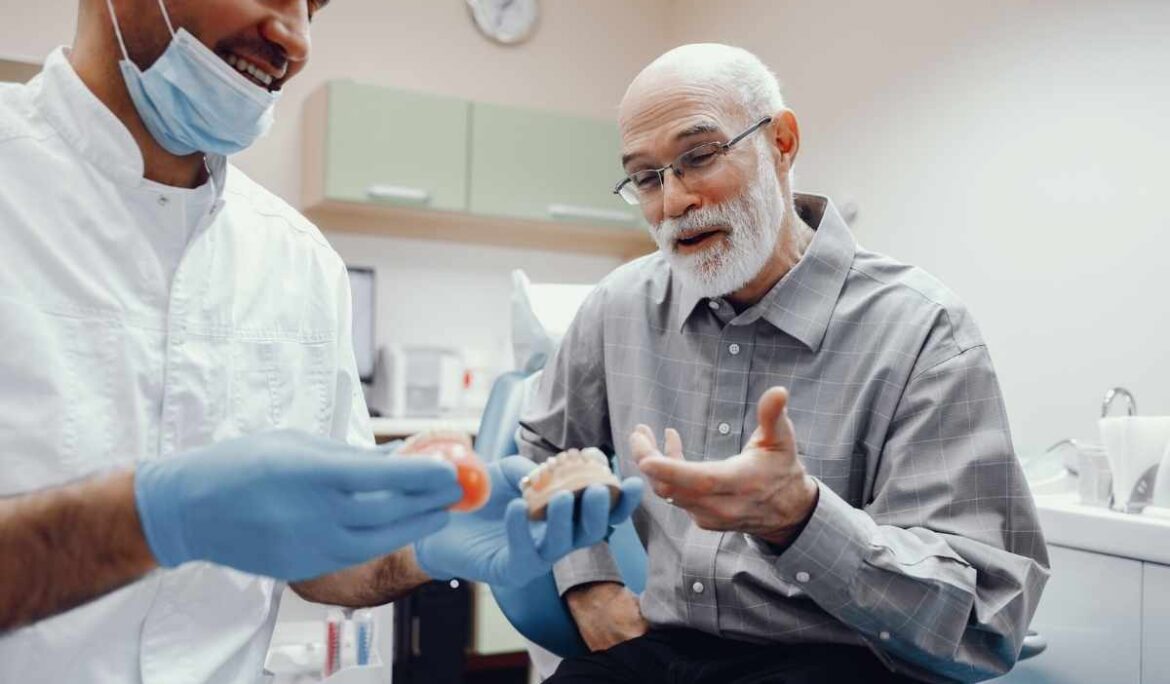
Dental implantology has revolutionized modern dentistry, and All-on-4 and All-on-6 procedures are now top choices for full-mouth rehabilitation. These treatments offer amazing results, but dealing with complications is key to keeping those results long-lasting. That’s why an All-on-4/6 Complication Management Course in India is really helpful for dentists looking to boost their implant skills.
As more people seek full-arch dental implants, there’s a rising need for specialists who can confidently handle any issues that come up. The advanced course gives dentists the tools, along with some hands-on practice, to deal effectively with tricky implant cases.
Why Complication Management Is Essential in Implant Dentistry
Managing complications is crucial in implant dentistry because, while implants usually succeed, problems can still pop up at various stages—from surgery to maintenance. Things like implant failure, peri-implantitis, screw loosening, and prosthetic problems all need quick and skilled handling.
An All-on-4/6 complication management course helps dentists learn why things go wrong and gives them proven ways to fix problems effectively. By mastering this, they improve results, make patients happier, and keep their good reputation.
Understanding All-on-4 and All-on-6 Implant Concepts
All-on-4 and All-on-6 are advanced full-mouth rehabilitation procedures designed to replace an entire arch of missing teeth using four or six strategically placed implants. These techniques provide excellent stability, function, and aesthetics for edentulous patients.
Still, these procedures are complex. They require advanced know-how about planning, design, bite management, and upkeep. With specialized training, dentists can spot risks sooner and take steps to stop issues from happening in the first place.
What You Will Learn in an All-on-4/6 Complication Management Course
In an All-on-4 or All-on-6 complication management course, you’ll learn about every aspect of implant treatment. From diagnosis to long-term care, the course covers it all, including both biological and mechanical problems.
The program usually dives into managing peri-implant diseases, fixing implant positioning mistakes, dealing with soft tissue concerns, and performing revision procedures. Plus, there are hands-on workshops and live patient demonstrations to prepare participants for real-world clinical situations.
Managing Biological Complications with Confidence
Biological complications such as peri-implant mucositis, peri-implantitis, bone loss, and soft tissue inflammation can seriously impact implant success if not managed properly. These conditions threaten implant stability and require timely intervention.
The course focuses on evidence-based treatments, including early diagnosis, non-surgical therapies, regenerative procedures, and surgical management techniques. Understanding biological risks helps clinicians maintain long-term implant health and patient satisfaction.
Solving Mechanical and Prosthetic Challenges
Mechanical and prosthetic complications are common even in well-planned implant cases. Issues such as screw loosening, prosthetic fractures, framework misfit, and occlusal overload can affect treatment outcomes.
Through this course, participants gain practical knowledge in troubleshooting implant prostheses, repairing restorations, and implementing preventive strategies. Proper occlusal design, material selection, and maintenance protocols are also emphasized to reduce future complications.
Digital Dentistry and Advanced Treatment Planning
Modern implant dentistry relies heavily on digital technologies to improve accuracy and predictability. Complication management courses introduce participants to digital implant planning, guided surgery, and CBCT interpretation.
The curriculum often includes intraoral scanning, CAD/CAM workflows, and digital smile design concepts. These technologies help clinicians identify potential risks before treatment, minimize surgical errors, and improve prosthetic outcomes.
Why You Should Take an All-on-4/6 Complication Course in India
India has become a leading destination for advanced dental education due to its world-class training centers, experienced mentors, and cost-effective learning opportunities. Many institutes offer hands-on training, live surgeries, and case-based discussions.
Participants gain exposure to diverse and complex implant cases while learning internationally accepted treatment protocols. This practical experience builds confidence and equips dentists to manage challenging implant complications independently.
Career Growth Opportunities for Implant Dentists
The demand for implant-supported full-mouth rehabilitation is increasing rapidly in India and globally. Dentists who possess advanced complication management skills are highly valued because they can confidently handle complex cases and provide comprehensive implant solutions.
Completing an All-on-4/6 complication management course enhances professional credentials, expands treatment capabilities, and strengthens patient trust. It can also create opportunities in advanced clinical practice, academic teaching, and referral-based implant services.
Who Should Enroll in This Course?
This course is ideal for general dentists, implantologists, prosthodontists, oral surgeons, and postgraduate dental students seeking to enhance their implant dentistry expertise. Whether you are already placing implants or planning to begin your implant journey, this training offers significant value.
Learning how to prevent, diagnose, and manage implant complications enables clinicians to deliver superior patient care and achieve more predictable treatment outcomes.
Conclusion
With full-arch implant rehabilitation becoming increasingly popular, mastering complication management is essential for every implant dentist. An All-on-4/6 Complication Management Course in India provides advanced clinical knowledge, hands-on experience, and practical solutions for managing both biological and mechanical implant complications.
By investing in specialized training, dental professionals can improve treatment success rates, enhance patient satisfaction, and establish themselves as trusted experts in modern implant dentistry.