








Advanced Oral Implantology Course in India – Hands-On Training?
If you have been thinking about adding implants to your clinic, you have probably noticed how many options are out there. Choosing the right advanced oral implantology course India offers is not about the certificate on your wall. It is about whether you walk back into your clinic able to plan a case, place an implant, and handle the unexpected. This guide explains what a good program covers, how hands-on training really works, and how to pick a course that fits your experience. Let’s keep it practical and honest.
Why Are So Many Dentists Moving Toward Implants?
Tooth loss is one of the most common problems dentists see, and patients now want more than a removable denture. They want teeth that feel natural, stay stable while eating and do not need to come out at night. Implants meet that need better than almost any other option. That is why demand keeps growing in big cities and smaller towns alike.
For a dentist, this is a real opportunity. Patients who once travelled to a metro city for implants now prefer a trusted local clinician. A dentist who has completed a proper dental implantology course India provides can keep those cases in the clinic and build long-term patient relationships. The key word is “proper”, because skill matters far more than the course title.
What Does an Advanced Implantology Course in India Really Teach?
A strong advanced implantology course in India goes well beyond showing you how to drill and place a fixture. It starts with diagnosis: reading CBCT scans, judging bone quality and deciding whether a patient is a good candidate at all. Treatment planning comes next, including implant position, angulation and how the final crown will sit. Skip this stage and even a neatly placed implant can fail later.
The surgical side usually covers flap design, osteotomy, immediate placement, sinus lift basics, bone grafting and soft tissue handling. A good program also teaches prosthetics, because an implant only succeeds when the tooth on top is functional and easy to clean. Many dentists overlook this part and later struggle with loose crowns and gum problems. Always ask whether both surgical and prosthetic phases are taught.
Complications deserve their own time too. Nerve proximity, sinus perforation, poor primary stability and peri-implantitis are not rare surprises. Every implant dentist meets them sooner or later. Learning to prevent them, and to manage them calmly when they appear, is what separates an advanced program from a basic one.
Hands-On Training vs. Theory-Only Lectures: Which Builds Real Confidence?
Lectures and slides are useful, but nobody learns to place an implant by watching a presentation. Surgery is a manual skill, and your hands need repetition to develop a feel for bone density, drilling depth and angulation. That is why dentists who attend theory-only seminars often return home still afraid to start. They know the steps but have never done them.
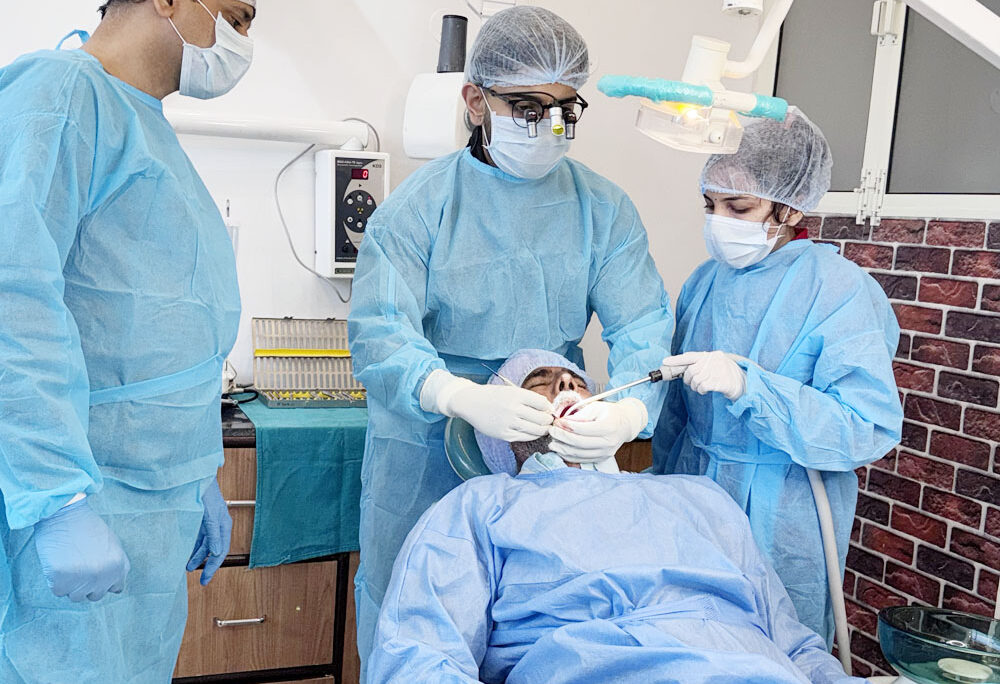
Hands-on training changes this. When you practise on models first, then watch live cases, and finally place implants under supervision, fear turns into familiarity. You begin to anticipate problems instead of reacting to them. For anyone serious about an oral implantology course India has to offer, this practical component should be the first thing you check.
Live Surgeries, Model Practice and Mentorship: What to Look For
Not every program that says “hands-on” delivers the same experience. Some only let you drill into a jaw model while others let you assist or place implants on real patients under a mentor’s guidance. Neither is wrong, but you should know which one you are paying for. Ask directly how many surgeries you will personally perform, not just watch.
Mentorship is the other piece. A clinician who explains why they chose a particular implant size, or why they delayed loading in one case, teaches you judgment that no textbook can. Look for faculty who actively practise implant dentistry every week. Also check the batch size, because a small group means more time with the mentor and more chances to work yourself.
Who Should Join a Dental Implantology Course in India?
Fresh BDS graduates often assume implants are only for senior dentists, but that is not true. Many programs start with a foundation level that covers basics, case selection and simple placements. If you are early in your career, this is a sensible entry point because you can build good habits from the start. You do not need years of experience, just curiosity and discipline.
Practising dentists and clinic owners benefit just as much. If you already refer implant cases to a colleague, learning to do them yourself can expand your services and give you more control over outcomes. Prosthodontists often join to strengthen their surgical side, while general dentists join to complete the full implant journey. The right level simply depends on where you stand today.
Basic, Fellowship, Diploma or Mini Residency: How to Choose Your Level
Programs usually move in steps. A one or two day basic course introduces the concepts and sometimes includes a single live surgery. Mid-level programs add multiple supervised surgeries, which is where real confidence begins to form. Longer fellowship, diploma or mini residency formats go further, with a higher number of cases and deeper exposure to complex situations.
A simple way to decide is to ask yourself three questions. How comfortable are you with surgery today? How many implant cases do you realistically see each month? How much time can you spend away from your clinic? Start at the level where you will actually be challenged, not the one that sounds most impressive. You can always move up later.
Seven Questions to Ask Before You Pay for Any Implant Course
A little research now saves a lot of regret later. Before booking, put these questions to the academy in writing:
- How many surgeries will I personally perform, and on whom?
- Who are the faculty, and do they currently practise implantology?
- What is the maximum batch size?
- Which implant systems and prosthetic workflows will I learn?
- Is follow-up support available after the course ends?
- What exactly does the fee include, and what is refundable?
- What does the certificate officially represent?
Clear, specific answers are a good sign. Vague replies or heavy pressure to book quickly are worth noticing.
Is the Certificate Recognised? A Reality Check
This is the question many dentists forget to ask. In India, short and fellowship-style implant programs are generally continuing education. They are usually not university degrees or statutory qualifications. The certificate shows that you trained, but it does not automatically change your registration or the scope of what you may legally do.
That does not make these courses worthless. Skill is built through practice, and good training genuinely improves your clinical ability. It simply means you should read the fine print, confirm the position with your state dental council if you are unsure, and treat the course as skill-building rather than a formal qualification. Honest academies state this openly.
Frequently Asked Questions
What is the best advanced implantology course in India?
There is no single best option for everyone. The right choice depends on your experience, your budget and how many surgeries you want to perform yourself. Compare faculty, case volume, batch size and post-course support rather than relying on rankings or advertisements.
How long is an oral implantology course in India?
Duration varies widely. Foundation programs can be completed in one or two days, while fellowships, diplomas and residency-style formats may run for several months with scheduled surgical sessions. Longer formats generally allow more supervised cases.
Can a BDS dentist place implants after taking a course?
BDS graduates generally practise implant dentistry in India, but the rules and your own comfort level both matter. Training builds competence, and you should confirm any regulatory questions with your state dental council. Starting with simpler cases is wise.
What is the fee for a dental implantology course in India?
Fees differ based on duration, number of surgeries, materials and faculty. Instead of comparing only the headline number, ask for an itemised breakdown and find out what is covered, such as implant kits, patient cases and study material.
Is an implant course worth it for a general dentist?
For many dentists it is, because implants are a growing treatment area and patients prefer to stay with a dentist they trust. Worth depends on follow-through. If you practise regularly after training, the skills compound. If you never apply them, the benefit fades.
Do I need prior surgical experience for an advanced course?
Not always, but it helps. Many advanced programs expect basic implant knowledge or some surgical comfort. If you are new, begin with a foundation level so you do not feel lost when complex cases are discussed.
What is the difference between a fellowship, diploma and certificate course?
These names mostly describe format and depth rather than official status. A certificate course is usually shorter, while fellowships and diplomas include more cases and longer mentoring. Always check the actual content and the number of surgeries, because the title alone tells you very little.
Ready to Take the Next Step in Your Implant Journey?
Choosing a course is easier when you focus on what truly builds skill: hands-on surgeries, honest mentorship, small batches and a clear view of what the certificate means. Take your time, compare your options and ask direct questions before committing. If you want a structured pathway from beginner to advanced levels in Mohali, Esthetica Advanced Dental Academy offers implantology programs taught by practising clinicians, and it states openly that its programs are for professional development rather than statutory qualifications. Speak with the team, understand each level, and choose the one that matches your goals.