







Dental Tourism Business Training Course for Dental Professionals
Patients today cross borders for dental care the way people once crossed cities to find a trusted doctor. If you run a clinic or work as a dentist, dental tourism business training can turn that trend into a steady, ethical flow of international patients. A well-designed dental tourism training course teaches far more than marketing: it covers treatment packages, travel coordination, communication, and trust. Whether you are exploring a dental tourism business course for the first time or planning to scale an existing setup, this guide explains what to learn, who benefits, and how to begin. You will also find the questions dentists ask most often at the end.
Why Is Everyone Talking About Dental Tourism Right Now?
High treatment costs at home, long waiting lists, and easy flights have pushed many patients to look abroad for implants, smile makeovers, and full-mouth rehabilitation. For dentists, this opens a real opportunity, but it takes more than posting a price list online. Travelling patients expect clear plans, honest timelines, and someone who replies quickly. To see the bigger picture first, read this overview of dental tourism in India and notice how international care is structured. Training is what separates a clinic that occasionally treats a foreign patient from one that does it confidently and repeatedly.
What Exactly Is a Dental Tourism Business Training Course?
A dental tourism business course is a focused program that teaches dentists and clinic owners how to attract, treat, and look after patients who travel for care. Unlike a general clinical workshop, it blends treatment planning with operations, communication, and ethics. You learn to assess a case remotely, build a realistic treatment calendar, and explain it in plain language. Good programs also cover consent, documentation, and follow-up after the patient flies home. Think of it as a bridge between your clinical skill and a stranger’s trust.
Clinical Planning for Overseas Patients
Travelling patients have limited days, so every visit must be planned tightly. You learn to review scans and photographs remotely, choose procedures that suit a short stay, and space healing intervals sensibly. Digital workflows and phased implant planning matter a lot here. A clear plan also protects you, because honest expectations are set from the very first call.
Business and Operations Skills
Clinical excellence alone will not fill your chairs. Training introduces package design, pricing structure, enquiry handling, and basic budgeting for international promotion. You also learn how to build a small coordination team, even if you only have one receptionist today. These systems keep the experience smooth when several patients arrive in the same month.
Who Should Join a Dental Tourism Training Course?
A dental tourism training course suits more than one kind of professional. General dentists seeking a new patient source, implant specialists wanting international cases, and clinic owners planning expansion all gain from it. Practice managers and patient coordinators benefit as well, because they handle the daily conversations that decide whether someone books. Fresh graduates can also learn the fundamentals of a growing niche early. If you want structured clinical learning alongside business skills, explore the international dentist training program in India.
What Will You Learn? Core Modules Explained in Simple Words
A strong curriculum is practical rather than theoretical. Here are the areas that matter most.
Treatment Packages and Transparent Pricing
International patients compare options carefully, so unclear pricing quickly loses trust. You learn to bundle treatments into understandable packages, state what is included, and explain what could change the cost. Honest pricing builds a reputation that no advertisement can buy.
The Patient Journey From First Enquiry to Follow-Up
A smooth journey has five stages: enquiry, remote consultation, travel planning, treatment, and aftercare. Training shows you how to script each stage so no message goes unanswered. Patients remember how cared for they felt long after they remember the price.
Marketing That Reaches International Patients
Most overseas patients begin with a search, a video, or a friend’s recommendation. Your marketing must therefore be visible, believable, and easy to act on.
Website and Search Visibility
Your website should explain treatments in simple language, show real credentials, and offer one clear way to book. Pages written around what patients actually search for help the right people find you.
Reviews, Videos, and Patient Stories
Real reviews and short patient stories calm the fears of people who have never visited your city. Always take consent before sharing any patient content, and keep every claim honest.
Dental Tourism Management Training: Keeping Operations Smooth
Attracting patients is only half the work; looking after them is the other half. Dental tourism management training focuses on the systems behind the scenes: scheduling, coordination, documentation, and quality checks. When these run well, patients feel guided instead of lost in a foreign city. This is also where a clinic’s long-term reputation is quietly built.
Coordinators and Communication
A dedicated patient coordinator becomes the friendly face of your clinic before anyone lands. They answer questions, share schedules, and keep patients calm. Training teaches clear, warm, and professional communication, including how to handle delays or changes politely.
Travel, Stay, and Language Support
Small details shape the whole experience. Patients appreciate help that makes the trip easier.
Pickup, Accommodation, and Local Guidance
Learn how to guide patients toward comfortable stays near the clinic and arrange simple transport. Clear directions and a reliable contact number reduce anxiety on arrival day.
Language and Cultural Sensitivity
Respecting food habits, communication style, and expectations from different countries makes patients feel welcome. Even basic cultural awareness can make consultations warmer and more effective.
Common Mistakes Dentists Make When Entering Dental Tourism
Most problems come from rushing in without a system. Watch out for these:
- Overpromising results. Honest timelines and realistic outcomes protect both patient and clinic.
- Unclear pricing. Hidden extras damage trust faster than a higher price ever would.
- Slow replies. International patients often message across time zones; delays send them elsewhere.
- No aftercare plan. Patients need a clear way to reach you once they return home.
- Ignoring consent and records. Proper documentation is essential for every case.
How to Choose the Right Dental Tourism Business Course
Not every program delivers the same value. Before you enrol, check the following:
- A curriculum that covers both clinical planning and business operations.
- Trainers who actively treat patients rather than only teaching theory.
- Small groups that allow personal guidance and real case discussion.
- A clear statement of what the certificate does and does not represent.
- Support after the course, such as mentoring or answering your questions.
Frequently Asked Questions About Dental Tourism Training
1. What is dental tourism?
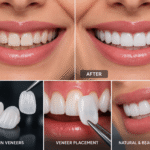
Dental tourism means travelling to another city or country to receive dental treatment, often combining care with a short stay. Patients usually seek better value, specialist expertise, or shorter waiting times. Common treatments include implants, veneers, and root canals.
2. How do I start a dental tourism business?
Begin by choosing a few signature treatments, defining transparent packages, and building a simple patient journey. Then create a trustworthy online presence and train your team to handle international enquiries. Structured dental tourism business training shortens this learning curve considerably.
3. Is a dental tourism business profitable?
It can be, but results depend on your quality of care, pricing, reputation, and consistency. Clinics that focus on honest communication and strong aftercare tend to earn repeat referrals. No outcome is guaranteed, so plan carefully.
4. Who can join a dental tourism training course?
Eligibility depends on the program. Most welcome dentists, clinic owners, and practice managers, while clinical modules are meant for registered dental professionals. Always confirm the criteria before enrolling.
5. Which treatments are most popular with dental tourists?
Dental implants, smile designing with veneers, root canal therapy, aligners, and full-mouth rehabilitation are among the most requested. These procedures often need planning, which is why coordination skills matter.
6. How long does dental tourism management training take?
Duration varies from short workshops to extended mentorship programs. Choose one that includes practical sessions and case discussions rather than theory alone, so you can apply what you learn immediately.
7. Is dental tourism safe for patients?
Safety depends on the clinic’s qualifications, sterilization standards, and communication. Patients should verify credentials, understand the full treatment plan, and confirm follow-up arrangements before travelling.
Ready to Turn Your Clinical Skills Into a Global Practice?
Dental tourism rewards clinics that combine skill with clarity, warmth, and organization. The good news is that every one of these abilities can be learned, one step at a time.
Your Next Steps
Start small, stay honest, and build systems that scale.
Define Your Signature Treatments
Choose the two or three procedures you do best and build clear packages around them.
Map the Patient Journey
Write down every step from first message to final follow-up, and assign an owner to each one.
Learn From Active Practitioners
Choose mentors who treat real patients and welcome your questions. Practical guidance saves months of trial and error.
If you are serious about building an international patient practice, Esthetica Dental Academy offers hands-on, mentorship-based learning for dental professionals. Its programs are meant for professional development and skill enhancement, and they are not a statutory degree or diploma. Browse the available dental academy courses and call 9817230279 today to book your seat and start your dental tourism journey.
Book Your Training for Upcoming Months
We provide both online and offline training to help you enhance your skills. Book your training session for the upcoming months today!