







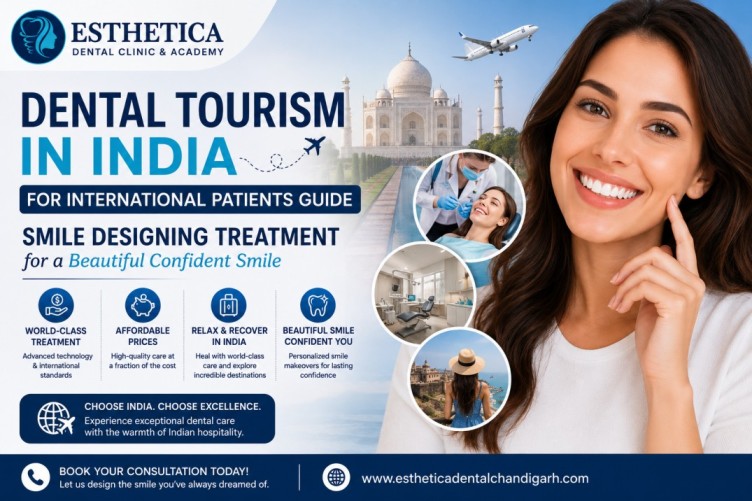
Dental Tourism in India for International Patients Guide
Dental Tourism in India has become an increasingly attractive option for international patients looking for quality dental care, modern technology, and potentially lower treatment expenses. For Canadian patients, travelling to India for dental treatment can combine professional care with the opportunity to explore a new destination. However, choosing the right clinic, understanding treatment costs, planning follow-up care, and checking dentist credentials are essential before making a decision.
Why Are International Patients Choosing India for Dental Care?
India has developed a strong reputation for providing a wide range of dental treatments, from preventive and restorative dentistry to complex implant and cosmetic procedures. Many established dental clinics use digital imaging, CAD/CAM technology, dental microscopes, 3D scanning, and computer-assisted treatment planning.
For patients from Canada, the United States, the UK, Australia, and other countries, the potential cost difference can be an important consideration. However, affordability should not be the only reason to select a dental provider. Clinical expertise, sterilization standards, materials, technology, communication, and aftercare should also be carefully evaluated.
Another advantage is the availability of multidisciplinary dental care. International patients may be able to complete several related procedures during one planned visit, depending on their diagnosis and treatment timeline.
Benefits of Dental Tourism in India for Canadian Patients
Travelling overseas for dental care requires careful planning, but the right provider can make the experience more organized and convenient.
Potentially Lower Treatment Expenses
One of the main reasons international patients consider India is the possibility of reducing treatment expenses compared with private dental care in Canada. Procedures such as dental implants, crowns, veneers, full-mouth rehabilitation, and cosmetic dentistry can represent a significant financial investment.
However, patients should compare complete treatment costs rather than looking only at the advertised procedure price. Flights, accommodation, transportation, consultations, diagnostic tests, medicines, insurance, and possible follow-up visits should all be included in the overall travel budget.
Access to Modern Dental Technology
Leading dental centres serving international patients may offer technologies such as 3D CBCT imaging, intraoral scanning, digital impressions, CAD/CAM restorations, laser dentistry, and guided implant planning.
These technologies can support accurate diagnosis and treatment planning. For complex procedures, digital workflows can also improve communication between the dentist, patient, and dental laboratory.
Multiple Treatments Under One Treatment Plan
Some international patients travel to India because they need several dental procedures. A carefully coordinated treatment plan may allow related procedures to be completed during one or more planned visits.
For example, a patient may require implants, crowns, periodontal treatment, or cosmetic dentistry. The exact sequence depends on oral health, healing requirements, and clinical suitability.
Experienced Dental Professionals
India has a large dental education and healthcare sector, with specialists working across implantology, prosthodontics, orthodontics, periodontics, oral surgery, and cosmetic dentistry.
International patients should still independently verify the dentist’s qualifications, registration, experience, areas of specialization, and professional credentials before committing to treatment.
Dental Tourism Packages in India
Dental Tourism Packages in India can simplify planning for overseas patients by combining different aspects of the treatment journey. Depending on the clinic, a package may include initial consultation, diagnostic imaging, treatment coordination, airport assistance, accommodation support, local transportation, or dedicated patient coordination.
However, package inclusions differ considerably between providers. Patients should ask for a written breakdown showing exactly what is included and what is charged separately.
A good package should also explain the estimated treatment timeline. Some procedures can be completed quickly, while dental implants and other surgical treatments may require healing periods and a second appointment.
What Should a Dental Package Include?
Before booking, ask whether the package includes:
- Initial dental consultation and examination
- Required X-rays or 3D imaging
- Treatment planning
- Dental procedures and laboratory charges
- Temporary and permanent restorations
- Medication or post-treatment instructions
- Airport or hotel assistance, if advertised
- Follow-up appointments
- Emergency contact information
Clear communication can help international patients avoid unexpected expenses and misunderstandings.
Affordable Dental Treatment in India Without Compromising Quality
Affordable Dental Treatment in India can be appealing to Canadian patients, but affordability should always be considered alongside quality and safety. A very low price may not provide the same materials, laboratory standards, technology, or clinical support as a more comprehensive treatment plan.
Patients should ask what implant system, crown material, veneer material, or restorative technology will be used. They should also understand whether the quoted amount covers consultations, diagnostic tests, temporary restorations, laboratory work, and follow-up appointments.
It is also worth asking about maintenance after returning to Canada. Some treatments require regular professional monitoring, and patients should know what records they will receive after treatment.
How to Choose the Best Dental Clinic for International Patients
Finding the Best Dental Clinics in India for International Patients requires more research than simply checking online ratings. International patients should look for evidence of professional qualifications, transparent treatment information, appropriate technology, infection-control practices, and experience with overseas patients.
Check Dentist Credentials
Research the dentist’s qualifications and professional experience. If specialist treatment is required, check whether the provider has appropriate postgraduate training and experience in that particular field.
For implant or full-mouth rehabilitation cases, experience with complex treatment planning can be especially important.
Review Treatment Technology
A modern dental clinic may use digital diagnostics and planning systems to improve treatment accuracy. Ask whether the clinic provides CBCT imaging, digital scans, digital smile planning, guided implant surgery, or CAD/CAM restorations when relevant to your treatment.
Technology should support clinical expertise rather than replace it. The dentist’s diagnosis and treatment planning remain central to achieving a predictable outcome.
Look for Transparent Pricing
A trustworthy international dental provider should explain what is included in the treatment estimate. Ask for a written treatment plan with separate details for procedures, materials, laboratory charges, and additional services.
Avoid making a decision based entirely on the lowest quotation. Comparing treatment quality, materials, experience, and aftercare can provide a more meaningful assessment of value.
Read Patient Reviews Carefully
Online reviews can provide useful information about communication, appointment coordination, staff behaviour, and international patient experiences. However, reviews should be considered alongside professional credentials and clinical information.
Before-and-after photographs may also be helpful when evaluating cosmetic dentistry, but patients should remember that individual results vary.
Planning Your Dental Trip From Canada
Canadian patients should plan their dental journey well in advance. Start by collecting relevant dental records, previous X-rays, medication information, and details about existing dental conditions.
A virtual consultation may help the dental team understand your concerns before you travel. However, a remote consultation cannot always replace an in-person examination and diagnostic assessment.
Plan sufficient time for the treatment and recovery period. Avoid arranging a tightly scheduled holiday immediately after major dental surgery because unexpected swelling, discomfort, or additional appointments may occur.
Travel insurance should also be reviewed carefully. Standard travel insurance may not automatically cover planned dental treatment or complications related to elective procedures.
What Dental Treatments Can International Patients Get in India?
International dental patients can access a broad range of treatments depending on their individual needs.
Dental Implants
Dental implants are commonly considered for replacing missing teeth. Treatment may involve implant placement followed by a healing period before the final crown or prosthesis is attached.
Cosmetic Dentistry
Cosmetic options can include veneers, teeth whitening, composite bonding, smile designing, and other treatments designed to improve tooth appearance.
Full Mouth Rehabilitation
Patients with multiple missing, damaged, worn, or heavily restored teeth may require comprehensive rehabilitation. Treatment can involve several dental specialties and usually requires detailed planning.
Orthodontics and Clear Aligners
Patients with crowded or misaligned teeth may consider braces or clear aligners. Treatment duration varies depending on the complexity of tooth movement required.
Crowns and Bridges
Crowns can restore damaged teeth, while bridges can replace certain missing teeth without using an implant. The appropriate restoration depends on the patient’s oral health and clinical circumstances.
Safety and Aftercare for International Dental Patients
Safety should remain a priority throughout the dental tourism process. Patients should ask about sterilization procedures, infection control, emergency arrangements, materials, and professional credentials.
After treatment, follow every post-operative instruction provided by the dental team. Maintain good oral hygiene, attend recommended check-ups, and avoid activities that could interfere with healing.
Before returning to Canada, request copies of your treatment records, diagnostic images, implant information, restoration details, prescriptions, and aftercare instructions. These documents can be useful if you need future dental care locally.
Frequently Asked Questions
1. Is India good for dental tourism?
India offers a wide range of dental services and has experienced dentists, specialist providers, and clinics using modern dental technology. Patients should research individual clinics carefully rather than judging the entire market by general reputation.
2. Is dental treatment cheaper in India than Canada?
Dental treatment may cost less in India for certain procedures, but the final difference depends on the treatment, materials, clinic, travel expenses, accommodation, and follow-up requirements.
3. How long should I stay in India for dental treatment?
The required stay depends on the procedure. Simple treatments may require a short visit, while implants and complex rehabilitation can require multiple appointments separated by healing periods.
4. Can Canadian patients get dental implants in India?
Yes, Canadian patients can seek dental implant treatment in India. Before travelling, they should obtain a detailed treatment plan and confirm the implant system, restoration type, expected timeline, and follow-up arrangements.
5. What should I check before choosing a dental clinic in India?
Check the dentist’s qualifications, experience, professional registration, treatment technology, infection-control standards, patient reviews, treatment materials, pricing transparency, and international patient support.
6. Are dental tourism packages safe?
A package itself does not determine treatment quality or safety. Patients should examine the dental provider, clinical standards, package inclusions, treatment plan, and aftercare arrangements before booking.
7. Can I combine dental treatment with a holiday in India?
Patients may combine dental treatment with tourism when their treatment schedule allows. However, major dental procedures may require rest and follow-up appointments, so medical requirements should take priority over sightseeing plans.
Conclusion
Dental Tourism in India can offer international patients access to a broad range of dental treatments while potentially reducing treatment expenses compared with some overseas options. For Canadian patients, the most important step is to look beyond price and evaluate qualifications, technology, treatment planning, safety standards, materials, communication, and long-term aftercare. A well-planned dental journey should begin with a comprehensive consultation and a clear written treatment plan.
For international patients seeking coordinated dental care, Esthetica Dental Clinic can help patients understand their treatment options, planning requirements, and the steps involved in arranging dental care in India before travelling.