









Smile Designing Course in Chandigarh for Dental Professionals?
Patients today walk in with phone gallery photos, celebrity close-ups and one simple request: “Can you give me a smile like this?” If you are a dentist who wants to answer that question with confidence, a Smile Designing Course in Chandigarh can be one of the most practical upgrades you make to your skills this year. Smile design blends science, art and communication, and it is now a core part of cosmetic dentistry. The right smile design training in Chandigarh helps you plan results before you pick up a handpiece.
In this guide, we explain what smile designing really involves, what a good program should teach, who benefits most, and how to choose a course that fits your career stage.
Why Are More Dentists Signing Up for Smile Design Training Right Now?
Patient expectations have changed faster than most dental syllabi. A routine treatment plan used to focus on function alone. Now people want teeth that look natural, suit their face and photograph well. Dentists who can deliver both health and beauty stand out in a crowded market.
There is also a business reason. Smile makeovers, veneers and full-face esthetic cases are high-trust treatments. Patients usually return to, and refer friends to, the dentist who explained the plan clearly and showed them a preview first. A structured cosmetic dentistry course in Chandigarh gives you the framework to do exactly that.
What Exactly Is Smile Designing, and Why Does It Matter?
Smile designing is the planned redesign of a smile using facial proportions, gum levels, tooth shape, tooth colour and lip movement. It is not about placing the whitest, biggest teeth you can find. A good design respects the patient’s age, personality and bite.
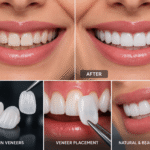
The process usually starts with photographs and videos, moves to a digital or analog mock-up, and ends with a treatment sequence the patient has already approved. If you want to see how this looks from the patient’s side, you can read about smile designing, laminates and veneers as a clinic service.
What Will You Actually Learn in a Good Smile Design Training Program?
A strong curriculum is more than a few lectures on veneers. Look for a program that covers the full journey from first consultation to final delivery.
Facial and Dental Esthetics
You learn how the midline, smile arc, buccal corridors and incisal edge position work together. These small details decide whether a result looks natural or “done.” Training should teach you to read a face first and the teeth second.
Digital Smile Design Workflow
Digital planning lets patients preview their new smile on screen. It also gives you a clearer communication tool for the lab and your team. A modern course should show you how to capture standardised photos, mark reference lines and build a mock-up.
Veneers, Laminates and Minimal-Prep Principles
Preparation depth, material choice and bonding protocol all influence long-term success. The best smile designing course for dentists explains when to prepare, when to avoid preparation and when another treatment is a better answer.
Shade, Texture and Material Selection
Matching shade is part science and part observation. Training should cover ceramics, composites, surface texture and how light behaves on different materials.
Case Selection and Patient Communication
Not every patient is a veneer candidate. Learning to say “this is not the right option for you” is a skill, and it protects both your patient and your reputation.
Is a Cosmetic Dentistry Course in Chandigarh the Same as Smile Designing?
The two overlap, but they are not identical. Cosmetic dentistry is the wider field, including whitening, bonding, veneers, crowns, gum contouring and smile makeovers. Smile designing is the planning system that connects all of those treatments into one coherent result.
Think of it this way: cosmetic procedures are the tools, and smile design is the blueprint. If you want a broader view of the treatments themselves, this overview of cosmetic dentistry in Chandigarh shows how the pieces fit together. A well-built course teaches both together.
Who Should Join a Smile Designing Course for Dentists?
This kind of training suits a wider group than most people expect.
- Recent BDS graduates who want a strong skill before opening or joining a clinic.
- General practitioners who already do restorative work and want to move into cosmetic cases.
- Clinic owners who want to add smile makeovers to their service menu.
- Dentists returning to practice who need a structured refresher.
- Orthodontic and prosthodontic practitioners who want a sharper esthetic eye.
If you are comparing options, you can browse the full list of dental academy courses to see where smile design sits among other programs.
Hands-On Practice or Theory Only: Which Format Helps You More?
Theory builds understanding, but confidence comes from doing. Dentistry is a manual skill, so a course without practical work leaves a gap between learning and using.
Look for programs with live demonstrations, model work, case discussions and small batches. In a small group, the trainer can correct your technique in real time instead of answering questions in a crowded room. Ask whether you will handle mock-ups yourself or only watch the trainer.
How Do You Pick the Right Smile Design Course in Chandigarh?
With so many options online, a short checklist saves time and money. Before you pay any fee, ask these questions:
- Who is teaching? Check the trainer’s clinical background and published cases.
- How much is hands-on? Ask for the exact split between theory and practical work.
- What is the batch size? Smaller groups mean more individual feedback.
- What support follows the course? Mentorship after the program is a real advantage.
- What does the certificate mean? Be clear on what you receive and what it does not represent.
That last point matters. Short clinical programs are meant for skill-building and continuing professional development. They are not degrees or regulatory qualifications, so a trustworthy provider will say so openly.
What Can Smile Design Training Do for Your Career?
The benefits go beyond one new procedure. Dentists who learn structured smile planning often notice changes in several areas.
- Better case acceptance: Patients say yes more readily when they can see a preview.
- Fewer remakes: Clear planning reduces surprises at the lab and chairside.
- Stronger referrals: Happy cosmetic patients tend to share their results.
- Wider treatment options: Smile design often connects naturally with dental implants and orthodontic care such as clear aligners and braces.
It also teaches you to document cases well. You can see how presentation matters by looking at real before and after treatment cases.
Frequently Asked Questions
1. What is a smile designing course for dentists?
It is a clinical training program that teaches you to plan and deliver esthetic smile makeovers. It usually covers facial analysis, digital planning, veneers, shade selection and patient communication.
2. Who can join a smile design training program?
Most programs are meant for registered dentists and, in some cases, final-year or recent BDS graduates. Always confirm eligibility with the provider before you apply.
3. How long does a smile design course take?
Duration varies. Some are intensive workshops over a few days, while others run in phases with case discussions in between. Choose a format that fits your clinic schedule.
4. Is a cosmetic dentistry course in Chandigarh worth the investment?
For most dentists, yes, if the program includes hands-on work and real case guidance. The value comes from applying what you learn in your own practice soon after the course.
5. Will I be able to do veneers after the course?
You will gain the planning knowledge and a practical foundation. Confidence in independent cases grows with supervised practice, so mentorship after the program helps a great deal.
6. Is digital smile design necessary?
It is not mandatory, but it makes planning and patient communication much clearer. Many dentists find it speeds up approval and reduces misunderstandings.
7. Is the certificate a recognised degree?
Short continuing education programs usually do not award a degree or regulatory qualification. The certificate is normally proof of participation, so read the provider’s terms before enrolling.
Ready to Build Your Smile Design Skills? Here Is Where to Begin
Deciding on a course is easier when you break the decision into three small steps.
Step 1: Define Your Goal
Decide whether you want to start offering veneers, improve your current cosmetic cases or refine your planning workflow. A clear goal narrows your choices fast.
Step 2: Compare Programs Honestly
Use the checklist above, ask for sample content, and speak to past participants if you can. A good provider welcomes questions. You can also read more on our dental education blog while you decide.
Step 3: Talk to the Trainers
A short conversation tells you a lot about teaching style and support. Learn about the clinician behind the programs by reading Dr. Sharad Arya’s profile, then book an appointment or call 9817230279 to ask your questions directly.
If you are looking for practical, small-group training with a strong focus on clinical confidence, Esthetica Dental Academy offers programs designed for dentists who want to grow their esthetic and implant skills. Contact the team today to learn about upcoming batches, and take your first step toward designing smiles with purpose.
Book Your Training for Upcoming Months
We provide both online and offline training to help you enhance your skills. Book your training session for the upcoming months today!