








Root Canal Treatment in Baddi: Procedure, Benefits, Cost & Aftercare
Tooth pain, sensitivity to hot or cold foods, swelling, or discomfort while chewing can sometimes indicate infection or damage inside a tooth. If you are looking for Root Canal Treatment in Baddi, understanding the causes, treatment process, possible symptoms, and aftercare can help you make an informed decision about your dental health.
Root canal treatment is designed to treat infection or inflammation inside a tooth while preserving the natural tooth whenever it can be predictably restored. Early dental assessment is important because an untreated dental infection can become more complicated over time.
What Is Root Canal Treatment?
Inside every tooth is a soft tissue called the dental pulp. It contains nerves and blood vessels that help the tooth develop and function. Deep tooth decay, cracks, trauma, repeated dental procedures, or other damage can affect the pulp.
When the pulp becomes infected or severely inflamed, bacteria can travel through the root canal system and potentially cause pain, swelling, or infection around the root of the tooth.
Root canal treatment involves removing the infected or damaged pulp, cleaning and disinfecting the root canal system, and sealing the canals to help prevent further bacterial contamination. After treatment, the tooth may need a suitable restoration, such as a filling or dental crown, depending on how much healthy tooth structure remains.
For patients considering Root Canal Treatment in Baddi, proper diagnosis is the first step. The recommended treatment depends on the condition of the individual tooth rather than symptoms alone.
When Do You Need Root Canal Treatment in Baddi?
Not every toothache requires a root canal. A dentist needs to examine the tooth and, when necessary, use dental X-rays or other diagnostic methods to determine the cause of the problem.
Some common signs that may indicate the need for root canal treatment include:
- Persistent or recurring tooth pain
- Sensitivity to hot or cold foods and drinks
- Pain while biting or chewing
- Swelling around the tooth or gums
- A recurring dental abscess
- Tooth discoloration or darkening
- A chipped or cracked tooth
- Deep tooth decay affecting the pulp
- Dental trauma or injury
- Tenderness around the root of a tooth
Sometimes a tooth with an infected or damaged pulp may not cause significant symptoms. For this reason, a dental examination can be important even when pain is limited or has temporarily disappeared.
What Causes a Tooth to Need a Root Canal?
Several dental problems can damage the pulp and eventually require endodontic treatment.
Deep Tooth Decay
When a cavity progresses deep into the tooth, bacteria can reach the pulp. If the pulp becomes infected or irreversibly inflamed, root canal treatment may be considered.
Cracked or Damaged Teeth
A crack can provide a pathway for bacteria to reach the inner portion of a tooth. Depending on the location and severity of the crack, different treatments may be recommended.
Dental Trauma
An injury to the tooth can damage the pulp even if there is no obvious crack or fracture. Some trauma-related pulp problems may develop gradually.
Repeated Dental Procedures
Multiple procedures on the same tooth can sometimes affect the pulp. Your dentist can evaluate the tooth and determine whether root canal treatment is appropriate.
How Does Root Canal Treatment in Baddi Work?
The exact treatment process varies depending on the tooth, infection, root canal anatomy, and overall condition of the tooth. Generally, the procedure involves several important stages.
1. Examination and Diagnosis
The dentist first examines the affected tooth and surrounding gums. Your symptoms, dental history, clinical findings, and diagnostic X-rays may be considered to determine the source of the problem.
This assessment helps determine whether root canal treatment is suitable or whether another treatment may be more appropriate.
2. Local Anaesthesia
Local anaesthesia is used to numb the tooth and surrounding area. This helps make the procedure more comfortable.
3. Accessing the Tooth
A small opening is created in the tooth to reach the pulp chamber and root canals. The damaged or infected pulp is carefully removed.
4. Cleaning and Shaping the Root Canals
The root canals are cleaned and shaped so that infected tissue and bacteria can be removed as effectively as possible. Proper cleaning is an important part of root canal treatment.
5. Disinfection and Sealing
After cleaning, the canals are disinfected and filled with a suitable root-filling material. The canals are then sealed to reduce the possibility of bacterial re-entry.
6. Final Tooth Restoration
Following root canal treatment, the tooth may require a permanent restoration. Depending on the amount of remaining tooth structure and the location of the tooth, this may include a filling, onlay, crown, or another appropriate restoration.
A back tooth may be more vulnerable to fracture because it experiences considerable chewing forces, so your dentist may recommend additional protection when appropriate.
Is Root Canal Treatment Painful?
One of the most common concerns about root canal treatment is pain. Modern root canal procedures are performed using local anaesthesia, which helps numb the affected area during treatment.
Some patients may experience tenderness or mild discomfort for a few days afterward, particularly when the tooth was already infected or inflamed before treatment.
Following your dentist’s post-treatment instructions can help support recovery. If you experience severe, persistent, or worsening pain or swelling after treatment, contact your dentist for an assessment.
Benefits of Root Canal Treatment
When a damaged or infected tooth can be predictably treated and restored, root canal treatment can offer several benefits.
Preserves the Natural Tooth
The main purpose of root canal treatment is to remove infection while retaining the natural tooth when possible.
Helps Treat Dental Infection
Removing infected pulp and cleaning the root canal system addresses infection inside the tooth.
Restores Chewing Function
After appropriate restoration, a successfully treated tooth can continue to contribute to normal chewing function.
Avoids Immediate Tooth Removal
When a tooth can be treated and restored, root canal treatment may allow you to avoid extraction.
Supports Natural Tooth Alignment
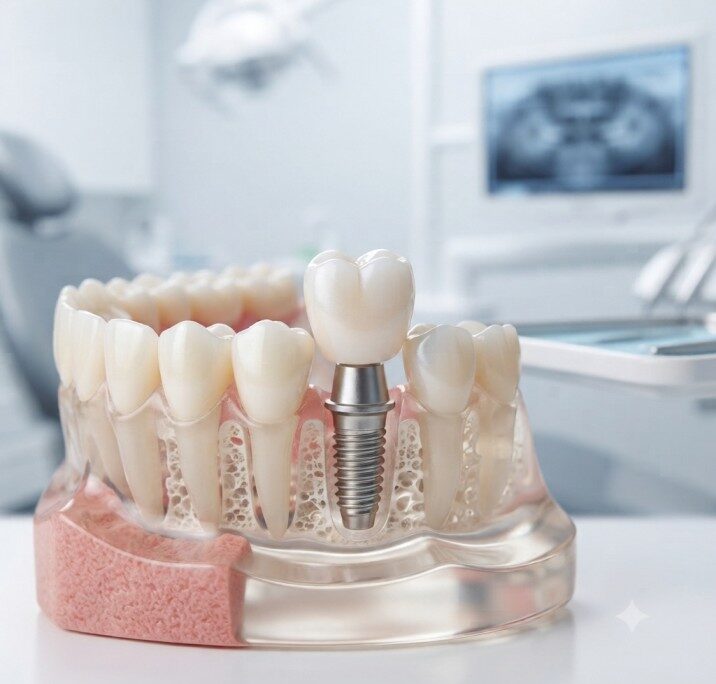
Keeping a natural tooth can help maintain the existing arrangement of neighboring teeth. If a tooth is extracted, replacement options such as an implant, bridge, or denture may need to be considered.
Root Canal Treatment vs Tooth Extraction
When a natural tooth can be successfully treated and restored, preserving it may be considered as one treatment option. However, root canal treatment is not suitable for every tooth.
A tooth with extensive structural damage, certain fractures, inadequate remaining tooth structure, or other complications may not be restorable. In such situations, extraction may be recommended.
If a tooth needs to be removed, your dentist can discuss suitable replacement options, which may include:
- Dental implants
- Dental bridges
- Dentures
The appropriate treatment depends on the condition of the tooth, surrounding bone and gums, overall oral health, and individual treatment requirements.
What Is the Cost of Root Canal Treatment in Baddi?
The cost of Root Canal Treatment in Baddi can vary from patient to patient. It depends on several factors, including:
- The location of the tooth
- Whether it is a front tooth, premolar, or molar
- The complexity of the root canal system
- The severity of infection or inflammation
- Whether additional dental procedures are required
- The type of final restoration needed
Molar teeth can have more complex root canal anatomy than some front teeth, which may affect treatment complexity.
Patients should also consider the complete treatment plan rather than comparing only the initial root canal procedure. A suitable final restoration is an important part of protecting the treated tooth.
At Esthetica Dental Clinic, the dentist can discuss the treatment requirements and estimated cost after examining the tooth and understanding the patient’s individual condition.
What Happens After Root Canal Treatment?
Some tenderness or sensitivity can occur for a short period after root canal treatment. Your dentist will provide specific instructions according to your treatment.
If the tooth has not yet received its final restoration, avoid putting unnecessary pressure on it. Follow your dentist’s advice regarding eating and oral hygiene until the restoration is completed.
Once the tooth has been properly restored, continue regular brushing, cleaning between the teeth, and routine dental check-ups.
A root-treated tooth still requires proper oral hygiene because problems can develop around the tooth or its restoration if dental care is neglected.
How Can You Prevent the Need for Root Canal Treatment?
Not every dental infection can be prevented, but good oral hygiene and regular dental care can reduce the risk of severe tooth decay and other problems.
Some useful habits include:
- Brush your teeth twice a day with fluoride toothpaste.
- Clean between your teeth regularly.
- Limit frequent consumption of sugary foods and drinks.
- Have regular dental check-ups.
- Treat cavities at an early stage.
- Do not ignore persistent tooth pain or sensitivity.
- Use appropriate protection during activities where dental trauma is possible.
- Follow professional advice for existing dental problems.
Early treatment of cavities and dental problems can sometimes help prevent them from progressing to deeper areas of the tooth.
Why Choose Esthetica Dental Clinic for Root Canal Treatment in Baddi?
Choosing a dental clinic for root canal treatment involves more than simply looking for a convenient location. Proper diagnosis, treatment planning, infection management, root canal cleaning, and suitable final restoration all play an important role.
At Esthetica Dental Clinic, treatment is planned according to the condition of the individual tooth. The aim is to preserve the natural tooth whenever it is clinically appropriate and to explain the available treatment options before proceeding.
A detailed examination can help determine whether root canal treatment is necessary and what type of restoration may be required afterward.
Patients who are concerned about treatment discomfort can also discuss available techniques and pain-management options with the dental team.
Frequently Asked Questions
1. Is Root Canal Treatment in Baddi painful?
Root canal treatment is performed under local anaesthesia to numb the treatment area. Some tenderness or discomfort may occur after treatment, particularly when the tooth was infected or inflamed.
2. How long does root canal treatment take?
Treatment time depends on the tooth and the complexity of its root canal system. Some cases may be completed in one appointment, while more complex cases may require additional visits.
3. How do I know if I need a root canal?
Persistent tooth pain, sensitivity to hot or cold, pain while chewing, swelling, or an abscess can be signs of a problem involving the pulp. However, symptoms alone cannot confirm the need for a root canal. A dental examination and, when required, X-ray can help determine the appropriate treatment.
4. Can root canal treatment save my natural tooth?
In many suitable cases, root canal treatment can allow an infected or damaged tooth to be retained. The possibility of saving the tooth depends on factors such as the amount of remaining tooth structure, the condition of the roots, infection, cracks, and whether the tooth can be restored.
5. Will I need a crown after root canal treatment?
Not every root-treated tooth requires the same restoration. However, a crown or another protective restoration may be recommended when significant tooth structure has been lost, particularly for some back teeth.
6. Can children have root canal treatment?
Children can require pulp treatment when a primary or permanent tooth becomes infected or damaged. The appropriate treatment depends on the child’s age, tooth type, stage of development, and condition of the tooth.
7. How can I avoid needing a root canal?
Maintaining good oral hygiene, attending regular dental examinations, treating cavities early, limiting frequent sugary foods and drinks, and protecting teeth from injury can help reduce the risk of problems that may eventually require root canal treatment.
Start Your Root Canal Treatment in Baddi
If you are experiencing persistent tooth pain, sensitivity, swelling, or discomfort while chewing, consider getting your tooth examined rather than ignoring the symptoms. Early diagnosis can help identify the cause of the problem and determine whether Root Canal Treatment in Baddi is appropriate.
Esthetica Dental Clinic provides individual dental assessments and treatment planning based on the condition of your tooth. Patients can discuss their symptoms, treatment options, expected procedures, restoration requirements, and associated costs during their consultation.
For patients interested in advanced techniques, the clinic also offers laser-assisted root canal treatment.