








Best Treatment for Teeth Gaps for a More Confident Smile
The best treatment for teeth gaps depends on the reason the space has developed, its size, the condition of your teeth and gums, your bite, and the type of smile you want. While some gaps are mainly a cosmetic concern, others can be linked to missing teeth, tooth movement, gum problems, or alignment issues. A dental examination can help identify the cause and determine which treatment may be suitable for your smile.
Why Do Teeth Gaps Develop?
Teeth gaps, sometimes called diastema, can develop for several reasons. Some people naturally have spaces between their teeth because of tooth size, jaw development, or the way their teeth have grown. In some cases, the tissue connecting the upper lip and gums can also contribute to a space between the front teeth.
Gaps may also develop later because of missing teeth, gum disease, changes in tooth position, childhood habits, or bite-related concerns. A gap that appears suddenly or becomes larger should be examined by a dentist. Understanding the cause is important because treatment should address more than the visible space.
Understanding Your Treatment Options
There is no single solution for every teeth gap. The appropriate treatment depends on your dental condition and the result you want. Your dentist may consider orthodontic treatment, dental bonding, veneers, or tooth replacement, depending on the situation.
Orthodontic Treatment
Braces and clear aligners can gradually move teeth into a planned position. Orthodontic treatment may be suitable when several teeth need to move or when gaps are related to crowding, spacing, or bite concerns.
Treatment time varies from one person to another. The complexity of the case, the amount of movement required, and the patient’s response to treatment can all affect the duration. Retainers are usually important after orthodontic treatment because teeth can naturally shift over time.
Dental Bonding
Dental bonding may be considered for small gaps when the teeth are otherwise healthy. A tooth-coloured composite material is applied to the tooth surface and shaped to improve the appearance of the space.
Bonding can often be completed relatively quickly and may require little or no removal of healthy tooth structure. However, composite material can chip or stain and may require maintenance in the future. Your dentist can explain whether bonding is suitable for your particular gap.
Dental Veneers
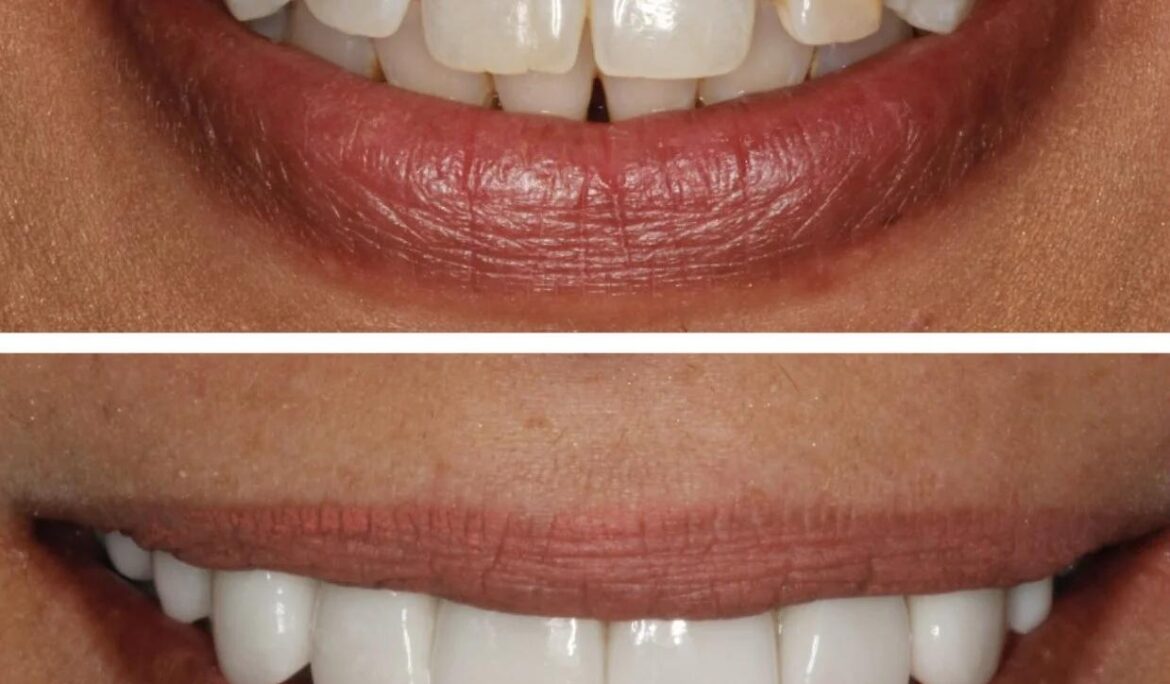
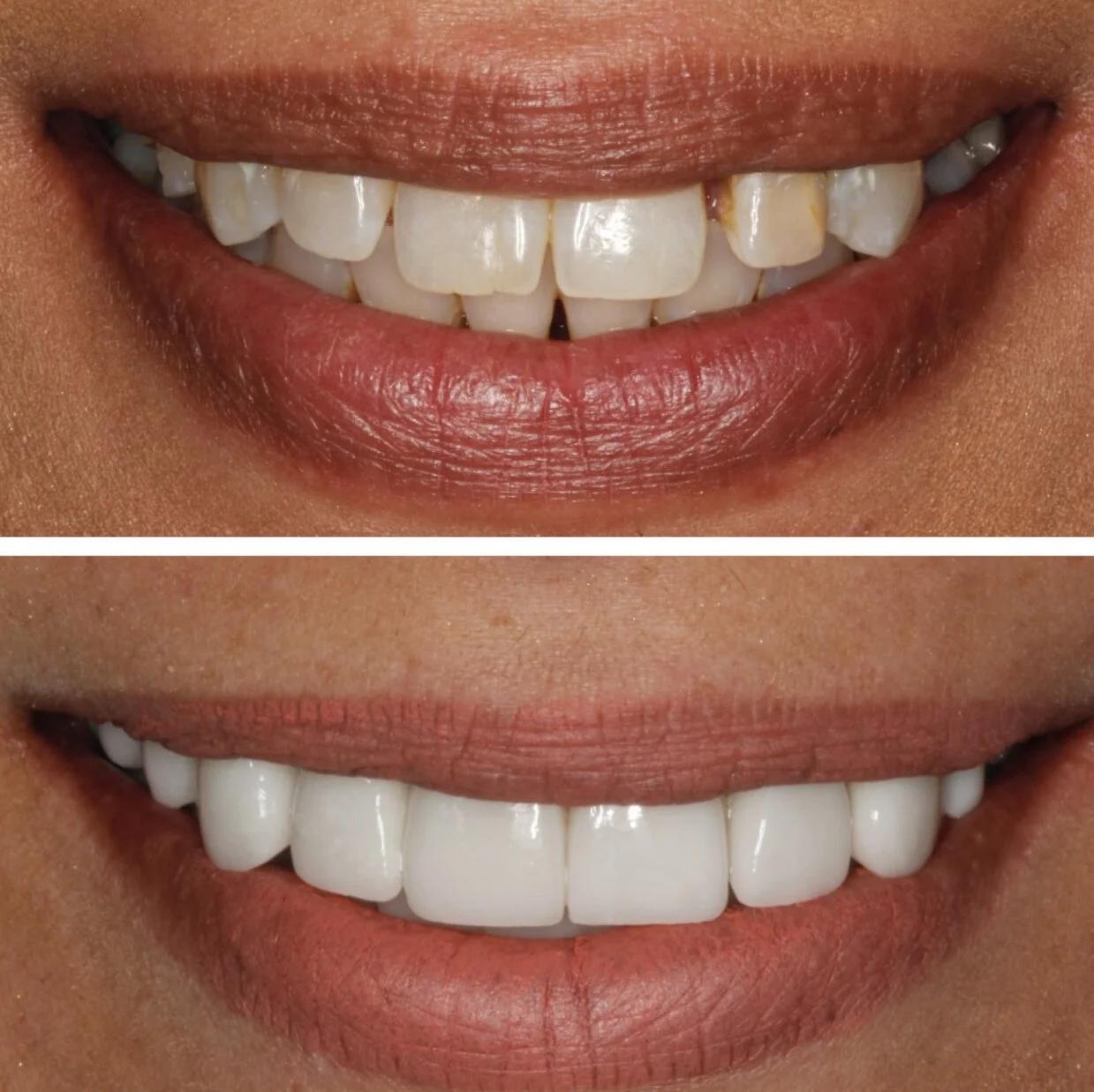
Veneers are thin restorations designed to cover the front surface of teeth. They may be considered when a patient wants to improve spacing while also changing the shape, size, or colour of the teeth.
Veneers require careful planning to achieve a natural-looking result. Your dentist needs to assess tooth structure, gum health, bite, and overall facial proportions before recommending them. Veneers are not suitable for every patient or every type of gap.
Tooth Replacement
When a gap has developed because a tooth is missing, simply moving the surrounding teeth may not always be the preferred solution. Depending on the situation, options such as dental implants, bridges, or other restorative treatments may be considered.
Replacing a missing tooth can help restore chewing function and improve the appearance of the smile. The appropriate option depends on factors such as the health of neighbouring teeth, available bone, gum condition, and overall oral health.
How Is the Right Treatment Chosen?
Choosing the best treatment for teeth gaps starts with understanding the cause, size, and location of the gap, along with your tooth and gum health, bite, and desired smile outcome. A dental professional can assess these factors and recommend an appropriate treatment option based on your individual needs.
At Esthetica Dental Clinic Services, the treatment discussion can consider both your smile goals and your long-term oral health. A small gap between healthy teeth may require a different approach from multiple spaces caused by missing teeth, gum problems, or changes in tooth position.
Your age, oral hygiene, expectations, budget, and willingness to maintain the result can also influence the treatment plan.
Benefits of Treating Teeth Gaps
Improving a teeth gap can enhance the overall appearance of your smile and may help you feel more comfortable when smiling or speaking. Depending on the cause, treatment may also help address certain functional or alignment concerns.
However, it is important to have realistic expectations. Dental treatment does not make every smile identical, and teeth can naturally change position over time. The stability of the result can depend on the treatment used, oral hygiene, bite, and ongoing dental care.
A personalised treatment plan can help ensure that cosmetic improvements are considered alongside the health and function of your teeth.
What Happens During Treatment?
The treatment process depends on the option selected. It normally begins with a consultation where your dentist discusses your concerns and examines your teeth and gums.
If orthodontic treatment is recommended, the teeth are assessed to determine the planned movement. Braces or clear aligners may then be used according to the treatment plan.
For bonding, the tooth may be prepared before composite material is applied, shaped, hardened, and polished. The dentist aims to match the material with the surrounding teeth for a natural appearance.
Veneer treatment generally involves detailed planning, digital scans or impressions, tooth preparation where appropriate, and placement of the final restorations. Your dentist should explain the process, expected result, and maintenance requirements before treatment begins.
Caring for Your Smile After Treatment
After choosing the best treatment for teeth gaps, proper care is important for maintaining your smile and supporting long-term oral health. Follow your dentist’s instructions, maintain good brushing and flossing habits, attend regular check-ups, and take extra care of any bonding, veneers, braces, aligners, implants, or other dental restorations.
If you have orthodontic treatment, wearing your retainer as instructed can help maintain tooth positioning. Without proper retention, teeth may gradually move again.
If you have bonding or veneers, avoid habits such as biting very hard objects or using your teeth to open packages. Patients with implants, bridges, or other restorations should follow the specific cleaning and maintenance instructions provided by their dental team.
How Much Does Teeth Gap Treatment Cost?
The cost depends on the treatment selected and the complexity of your individual case. Bonding, veneers, orthodontics, implants, and bridges involve different procedures, materials, treatment times, and maintenance requirements.
The number of teeth being treated, diagnostic tests, laboratory work, treatment duration, and follow-up appointments can also affect the overall cost.
When comparing treatment plans, consider what is included rather than looking only at the initial price. Esthetica Dental Clinic Services can explain the recommended stages of treatment and the factors that may affect the overall investment.
Frequently Asked Questions
What is the best treatment for a teeth gap?
The appropriate treatment depends on the cause and size of the gap, tooth and gum health, bite, and desired result. Options can include bonding, veneers, orthodontics, or tooth replacement.
Can a small teeth gap be treated without braces?
Yes. In suitable cases, dental bonding or veneers may improve the appearance of a small gap without orthodontic treatment. A dental assessment is recommended first.
How long does teeth gap treatment take?
Treatment time varies according to the procedure. Bonding may be completed in a short appointment, while orthodontic treatment can take several months or longer.
Can teeth gaps come back after treatment?
Yes. Teeth can move naturally over time. Retainers may be recommended after orthodontic treatment to help maintain the new tooth positions.
Are veneers suitable for every teeth gap?
No. Veneers are not appropriate for every patient. Tooth structure, gum health, bite, spacing, and cosmetic goals all need to be considered.
What if my gap is caused by a missing tooth?
A missing tooth may require a restorative solution rather than simply closing the space. Depending on your situation, an implant, bridge, or another replacement option may be considered.
How should I choose a dentist for teeth gap treatment?
Choose a qualified dental professional who examines the cause of the gap, explains suitable treatment options, discusses limitations and maintenance, and creates an individual treatment plan.
Conclusion
Teeth gaps can occur for many different reasons, so treatment should always be based on an individual dental assessment. Bonding, veneers, orthodontics, implants, and bridges may all have a role depending on the condition of your teeth, gums, bite, and the cause of the spacing.
If you are searching for the best treatment for teeth gaps, a professional consultation can help you understand which options may be appropriate for your smileEsthetica Dental Clinic Services can help you understand the available options and plan treatment according to your individual dental needs.
Ready to Find the Right Solution for Your Smile?
If you are looking for the best treatment for teeth gaps, take the first step with a professional dental consultation. Esthetica Dental Clinic Services can assess your teeth, gums, spacing, and smile goals to help you understand suitable treatment options.