









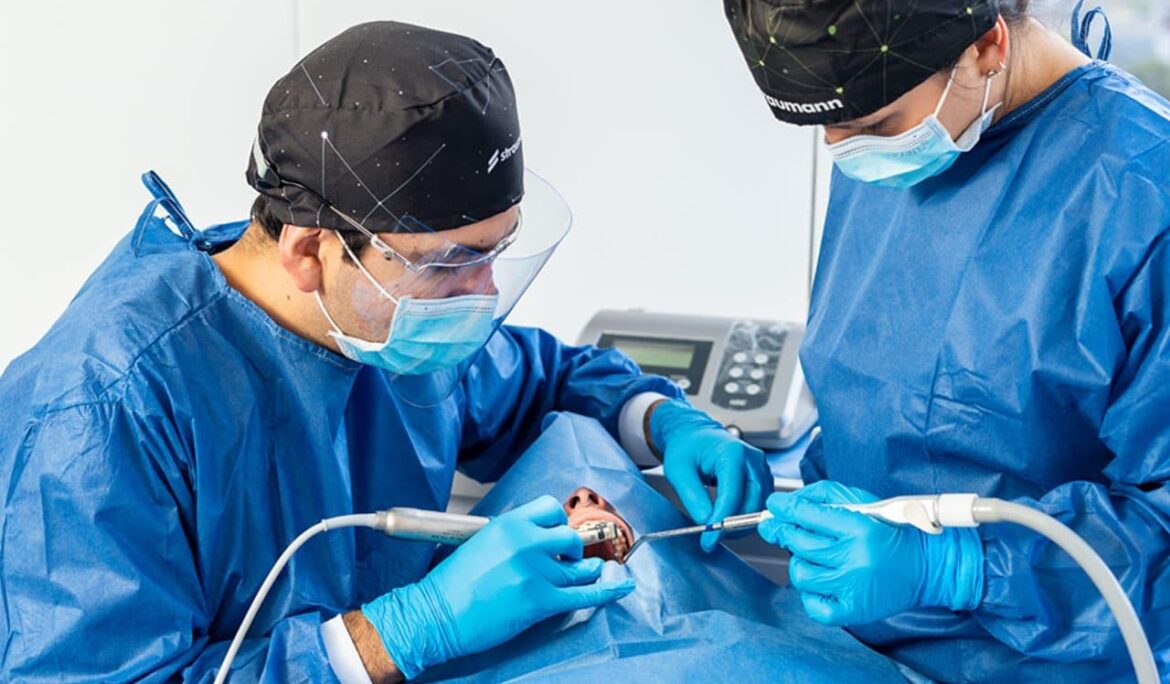
Fellowship in All-on-6 Implant Course in India for Dentists
Have you ever sat with a patient who has lost most of their teeth and wished you could offer a fixed, confident solution instead of a loose denture? Many dentists feel exactly that. A Fellowship All-on-6 Implant Course India programme can turn that wish into a skill you use every week. Through focused All-on-6 dental implant training in India, you learn to plan, place, and restore a full arch on six implants with predictable results.
The demand is real. Patients now travel across cities, and even countries, for fixed teeth in a short time. A structured All-on-6 implantology fellowship gives you the diagnosis, surgical, and prosthetic confidence to meet that demand. And if you are new to full-arch work, full mouth implant training for dentists is the safest way to build a strong base before you take on complex cases alone.
Why Are More Dentists Choosing All-on-6 Today?
Full-arch rehabilitation has moved from a niche service to a mainstream treatment. Older patients want to eat, speak, and smile without worrying about slipping dentures. Younger patients with failing teeth want a permanent fix rather than years of repeated repairs. Dentists who can offer this service often see stronger patient trust and more referrals.
There is also a practical reason. Placing six implants in a planned pattern can support a full set of teeth, often without extensive bone grafting. That means fewer surgeries, a shorter treatment journey, and a more comfortable experience for the patient. Learning this protocol properly helps you say yes to cases you may have referred away before.
What Exactly Is an All-on-6 Implantology Fellowship?
A fellowship is a longer, more guided programme than a weekend workshop. Instead of one lecture and a quick demo, you move step by step through case selection, planning, surgery, and the final prosthesis. Most good programmes mix classroom learning with live observation and supervised practice, so ideas turn into habits.
It helps to be clear about what a fellowship is and is not. In India, such programmes are generally continuing professional development. They build skill and confidence, but they are not a university degree or a licence to practise. Always read the programme terms so you know exactly what the certificate represents before you enrol.
What Will You Learn in All-on-6 Dental Implant Training in India?
A well-built curriculum covers the whole journey of a full-arch case, not just the surgery. Here is what you should expect to see:
- Case selection and diagnosis: judging bone quality, jaw anatomy, bite, and patient expectations
- CBCT reading and digital planning: placing implants in safe, ideal positions before you touch the patient
- Surgical technique: angled posterior implants, primary stability, and soft tissue handling
- Immediate loading protocols: deciding when a temporary fixed bridge is safe to deliver
- Prosthetic workflow: impressions, bite registration, final prosthesis design, and long-term maintenance
- Complication management: preventing and handling common problems calmly
The best programmes also teach communication. Explaining cost, timelines, and realistic outcomes to a nervous patient is a skill in itself, and it often decides whether a patient says yes.
Who Should Join Full Mouth Implant Training for Dentists?
This kind of training suits several types of clinicians. If you already place single implants and want to grow into full-arch work, the step feels natural. If you are a general dentist who refers complex cases to specialists, training lets you keep more of your patients within your own practice.
It also suits dentists who are new to implantology but serious about it. You do not need to be an expert on day one. What you need is basic surgical comfort, a willingness to learn, and respect for patient safety. Starting with a structured programme is far wiser than learning only through trial and error on real patients.
Theory or Hands-On: What Should a Good Course Offer?
Reading about implants is useful, but you will not feel ready until you have seen real cases and practised real steps. A strong programme gives you both. Look for live clinical demonstrations, case discussions, and guided practice, not just slides.
Small groups matter more than most people realise. When only a few participants share one mentor, you can ask questions, watch closely, and get honest feedback. In a crowded room, you may leave with notes but little confidence. To see what is on offer, explore the available dental implant training programs before you decide.
How Do You Choose the Right Fellowship in India?
With so many options online, it is easy to feel lost. A simple checklist helps you compare programmes fairly:
- Is the faculty actively treating full-arch cases, not only teaching?
- Does the course include digital planning and CBCT-guided diagnosis?
- Will you see live cases, and how many people share each session?
- Is there support after the course when you face your first real case?
- Is the certificate described honestly, without exaggerated claims?
Take time to read about the mentor behind the programme. Their clinical background tells you a lot about what you will actually learn, and you can read more about Dr. Sharad Arya to see how experience shapes teaching.
What Does a Realistic Learning Path Look Like?
Nobody becomes confident in full-arch work overnight. A sensible path starts with theory and planning, moves to observation, and then to supervised steps. Only after that should you take your own simple cases, and slowly move toward harder ones.
Seeing finished results also helps you understand the goal. Reviewing real before and after treatment cases shows what good planning and good prosthetics can achieve. It also teaches you what patients expect, which is just as important as the surgical steps themselves.
Common Mistakes New Implantologists Should Avoid
Most early problems come from rushing. Taking a difficult case too soon, skipping proper scans, or promising results you cannot guarantee are the most common traps. Each one can be avoided with patience and good mentorship.
Another frequent mistake is ignoring the bite. A beautiful bridge that overloads the implants will fail, no matter how good the surgery was. Good training teaches you to plan the final teeth first and work backwards. For a wider view of how modern technology supports precision, you can also read about laser dentistry and how it fits into comfortable care.
Understanding the Patient Side of Full-Arch Care
A trained dentist should also know what patients go through. Many people arrive anxious, unsure about cost, and worried about pain. Knowing how treatment is explained from the patient’s side makes you a better communicator. To see how a full-arch service is presented to the public, look at full mouth dental implants and note how clearly the steps are described.
There is also a growing group of overseas patients who plan treatment while visiting India. Dentists who understand their needs, such as short stays and clear follow-up plans, stand out. A good starting point is learning how NRI dental services are organised for patients living abroad.
Frequently Asked Questions
1. What is a fellowship in All-on-6 implant course in India?
It is a structured clinical training programme that teaches dentists how to plan and restore a full arch on six implants. It usually combines theory, digital planning, live case exposure, and guided practice. It is meant to build skill and confidence for real-world treatment.
2. Who is eligible for All-on-6 dental implant training in India?
Most programmes are designed for registered dentists, including general practitioners and specialists. Some prefer basic implant experience, while others welcome beginners. Check the entry requirements of each programme before you apply.
3. How long does an All-on-6 implantology fellowship take?
Duration varies from a few intensive days to several months with spaced sessions. Longer formats give you time to absorb the material and practise between modules. Choose the format that fits your clinic schedule and learning style.
4. Is full mouth implant training for dentists suitable for beginners?
Yes, as long as the programme starts with fundamentals and builds up slowly. Beginners benefit most from small groups, close mentoring, and a clear learning path. Start with simpler cases and grow your confidence step by step.
5. Will I get hands-on experience or only theory?
That depends on the programme, so ask directly. A good course includes live demonstrations, case discussions, and supervised practice. Be cautious of any course that offers only lectures for a surgical skill.
6. Is the certificate a degree or a licence?
No. Fellowship certificates in this field are generally proof of participation in continuing professional development. They do not replace a university qualification or change your registration status. Always read the programme terms carefully.
7. How much does an All-on-6 implant course cost in India?
Fees vary widely depending on duration, mentor experience, group size, and clinical exposure. Instead of choosing the cheapest option, compare what is included, such as live cases and post-course support. Also check the refund terms before paying.
Ready to Take the Next Step in Full-Arch Implantology?
What to Look For Before You Enrol
Before you commit, pause and compare. A good decision now saves time, money, and stress later. Keep these four points in mind as you finalise your choice.
Point 1: Mentor Experience
Choose a mentor who treats full-arch patients regularly. Real clinical experience shows in every tip, shortcut, and warning they share.
Point 2: Small Batch Learning
Smaller groups mean more personal attention. You get to ask questions, watch closely, and receive honest feedback.
Point 3: Digital Planning Skills
Modern full-arch work relies on scans and planning software. Make sure the course teaches you how to use them confidently.
Point 4: Support After the Course
Your first real case is the hardest one. Ask whether you can reach your mentors for guidance after training ends.
If you want to continue learning, you can also browse more articles on our implant dentistry blog. And if you are ready to ask questions about the programme, book an appointment or consultation today and speak with the team directly.
Choosing the right fellowship in All-on-6 implant course in India is a big career decision, and it deserves careful thought, honest questions, and a mentor you trust. If you are looking for hands-on guidance, small-group learning, and a practical approach to All-on-6 dental implant training, Esthetica Dental Academy is ready to support your journey. Reach out today and take the first confident step toward mastering full-arch implant dentistry.
Fellowship in All-on-6 Implant Course in India for Dentists
2-Day
Implantology
An intensive introduction for dentists who want to understand the complete implant workflow.
- ✓2 Days intensive training
- ✓Basic implantology concepts
- ✓Surgical kit demonstration
- ✓Hands-on training
- ✓Live implant surgery exposure
- ✓Certificate
Basic to Advanced
Comprehensive clinical training covering implant placement, bone grafting, sinus lift and prosthetic workflows.
- ✓5–7 Days training
- ✓Live patient surgeries
- ✓Implant placement
- ✓Bone grafting
- ✓Sinus lift
- ✓CBCT planning
- ✓Prosthetic workflow
Implant Diploma
Advanced structured training for dentists seeking deeper implant surgery and prosthetic exposure.
- ✓7 Days intensive program
- ✓15 implant procedures
- ✓Advanced surgery
- ✓Bone management
- ✓Sinus lift
- ✓Prosthetic rehabilitation
- ✓Extended mentorship
Customize Your
Course
Need a program designed around your specific clinical requirements? Build a customized implantology training plan with our team.
- ✓Choose your training duration
- ✓Select specific clinical procedures
- ✓Personalized learning objectives
- ✓Hands-on clinical exposure
- ✓Advanced implantology topics
- ✓Individual mentorship options