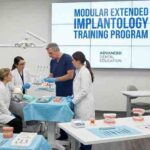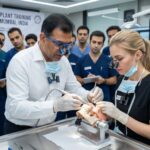










Dental Fellowship Course in India: Build Real Clinical Skills and Confidence
Completing a dental degree gives you the academic foundation to begin your professional journey, but real clinical confidence often develops through repeated patient experience. A Dental Fellowship Course in India can help dentists strengthen practical skills, improve treatment planning, and become more comfortable managing everyday and advanced clinical cases. Modern fellowship programs increasingly focus on hands-on learning, mentorship, live patient exposure, digital dentistry, implantology, endodontics, prosthodontics, and patient management rather than classroom theory alone. For dentists from India, Canada, and other countries, structured clinical training can also provide an opportunity to understand different treatment workflows and build skills that complement their existing qualifications.
Why Are Dentists Looking for Practical Fellowship Training?
Many newly graduated dentists know the theoretical steps of a procedure but may still feel hesitant when they have to diagnose a patient, prepare a treatment plan, communicate the options, and perform the procedure in a real clinical environment.
This is where practical postgraduate-style training can make a difference. A structured Dental Fellowship Training program allows dentists to revisit essential concepts while gradually working with real cases under professional supervision.
The objective should not simply be to collect another certificate. The real value comes from developing clinical judgement, understanding case selection, learning how to manage complications, and becoming familiar with the complete patient journey.
Current dental training programs are also expanding beyond conventional general dentistry. Implantology, full-mouth rehabilitation, digital workflows, aesthetic dentistry, advanced endodontics, prosthodontics, and oral surgery are increasingly important areas for dentists who want to broaden their clinical capabilities.
What Is a Dental Fellowship Course in India?
A dental fellowship is generally a focused training pathway for dentists who already have a basic dental qualification and want additional exposure to specific clinical areas.
Unlike a long academic postgraduate degree, a fellowship may be designed around practical learning, mentorship, case discussions, demonstrations, supervised procedures, and focused specialty training.
The exact structure varies between institutions. Some programs concentrate on general clinical dentistry, while others focus on implantology, aesthetic dentistry, full-arch rehabilitation, endodontics, prosthodontics, or oral surgery.
For example, current programs published by the academy include general dentistry fellowship training as well as advanced implantology pathways involving live surgeries and hands-on experience. (Esthetic A Dental Chandigarh)
What Can You Learn During Dental Fellowship Training?
A well-structured fellowship can cover much more than individual procedures. Dentists can learn how to approach a case from the first consultation through diagnosis, treatment planning, clinical execution, follow-up, and patient communication.
Depending on the program, important areas may include:
- Diagnosis and treatment planning
- Restorative dentistry
- Root canal treatment
- Tooth preparation
- Crown and bridge procedures
- Surgical extractions
- Suturing
- Periodontal procedures
- Patient communication
- Digital dentistry
- Implant treatment planning
- Implant placement
- Full-mouth rehabilitation
- Aesthetic dentistry
- Smile designing
- Advanced prosthodontics
- Oral surgery
The academy currently describes its clinical fellowship pathway as including live patient exposure and procedures across endodontics, prosthodontics, oral surgery, restorative dentistry, and digital workflows.
Why Hands-On Clinical Exposure Matters
One of the biggest differences between theoretical education and practical clinical training is repetition. A dentist may understand the textbook steps of an RCT or implant procedure but still need supervised experience to develop hand skills and decision-making confidence.
Hands-on training can help learners understand factors that are difficult to appreciate from textbooks alone. These include patient positioning, isolation, instrument handling, communication, clinical workflow, time management, and responding when a case does not progress exactly as planned.
Live patient exposure can also teach dentists that every case is different. Anatomical variations, medical history, patient expectations, previous treatment, bone condition, oral hygiene, and financial considerations can all influence treatment planning.
The academy’s published fellowship information highlights substantial live-patient exposure and supervised clinical procedures as part of its advanced clinical dentistry pathway.
Who Should Consider a Clinical Dental Fellowship?
A Clinical Dental Fellowship may be relevant to several groups of dental professionals.
Fresh BDS Graduates
New graduates may have completed their academic requirements but want more confidence before entering independent clinical practice. A structured fellowship can provide additional exposure to common procedures and patient management.
Dentists Returning After a Career Gap
Dentists who have been away from clinical practice may want to refresh their knowledge and rebuild procedural confidence before treating patients independently.
Practicing General Dentists
A practicing dentist may already manage routine cases but want to add implantology, advanced endodontics, aesthetic dentistry, prosthodontics, or full-mouth rehabilitation to their clinical skill set.
Dentists Planning International Careers
Dentists considering opportunities in countries such as Canada may also look for clinical training that complements their existing academic background. However, fellowship training should not be confused with professional licensure or degree equivalency.
Dental Fellowship Course in India for Canadian Dentists
India can be a practical training destination for dentists who want concentrated clinical exposure, particularly when the program offers structured hands-on learning and access to diverse cases.
For dentists from Canada, however, it is important to understand that completing a fellowship in India does not automatically provide permission to practise dentistry in Canada. Canadian dental licensure involves its own education, assessment, examination, registration, and provincial requirements.
A fellowship can instead be viewed as additional clinical education that may help strengthen practical understanding alongside the dentist’s broader professional preparation.
The academy currently states that it provides clinical and exam-oriented guidance for international licensing pathways including NDBE-related preparation. Dentists should independently verify current requirements with the relevant Canadian regulatory authorities before making licensing decisions.
How Implantology Fits Into Modern Fellowship Training
Implantology is one of the major areas attracting dentists toward advanced clinical education. Understanding implants requires more than knowing how to place a fixture.
A comprehensive learning pathway may include diagnosis, radiographic assessment, treatment planning, implant positioning, surgical protocols, prosthetic planning, occlusion, soft-tissue management, and postoperative care.
The current academy course structure includes beginner implantology, live-surgery training, advanced implantology programs, fellowship-level implant training, diploma programs, and mini-residency pathways.
Advanced full-arch topics may also include All-on-4, All-on-6, tilted implants, full-mouth rehabilitation, and zygomatic implant concepts for complex bone-loss cases.
Learning Advanced Full Arch and Zygomatic Implant Concepts
Dentists interested in advanced implantology may eventually explore full-arch rehabilitation and severe bone-loss cases.
All-on-4 and All-on-6 treatment concepts require an understanding of implant distribution, prosthetic planning, occlusion, immediate loading principles, and patient selection.
Zygomatic implant treatment is even more advanced and is associated with cases involving severe maxillary bone loss. Training in this area should therefore be approached as specialized education requiring appropriate anatomical knowledge, surgical understanding, and supervised clinical experience.
The academy currently lists All-on-X, All-on-4, All-on-6, tilted implant, zygomatic implant, and implant-supported overdenture training within its advanced full-arch course category.
Digital Dentistry and Modern Clinical Workflows
Today’s clinical training increasingly includes digital workflows because technology can support more structured treatment planning.
Depending on the fellowship, dentists may encounter digital photography, digital smile design, CAD/CAM workflows, digital planning software, patient documentation, and technology-assisted treatment planning.
Digital dentistry does not replace clinical judgement. Instead, it can help dentists organize information and communicate treatment options more effectively.
For dentists interested in aesthetic dentistry, digital smile designing is another growing area. Current fellowship offerings published by the academy include digital smile design, EXOCAD exposure, veneers, adhesive dentistry, photography, and full-mouth aesthetic planning.
How to Choose the Right Dental Fellowship Program
A useful checklist can include:
1. Clinical Exposure
Check whether the program provides real patient exposure or primarily classroom-based instruction.
2. Hands-On Opportunities
Ask how much practical participation is included and whether procedures are performed under supervision.
3. Faculty Experience
Review the clinical background and teaching experience of the faculty members.
4. Course Structure
Understand the duration, modules, specialty areas, patient exposure, assessment process, and support after completion.
5. Treatment Areas
Choose a program based on your goals. A general dentistry fellowship will have a different focus from implantology, aesthetic dentistry, or full-arch training.
6. Post-Course Support
Mentorship and case discussion after training can be useful when dentists begin applying new skills in their own practice.
7. International Requirements
If you are planning to work abroad, separately verify licensing and registration requirements in your target country.
What Makes a Fellowship More Practical for Dentists?
The right training should answer one simple question: “What will I actually be able to do better after completing it?”
A practical fellowship should connect learning with clinical application.
Instead of memorizing isolated techniques, dentists should understand why a particular procedure is selected, when it should be avoided, what alternatives exist, and how different treatment stages connect.
Mentorship is also important. A clinician can learn from observing how an experienced dentist evaluates a case, communicates with patients, handles unexpected findings, and modifies a treatment plan.
The academy describes its approach as case-based learning with clinical mentorship, live patient exposure, and practical training across multiple dental disciplines.
Dental Fellowship Program in India and Career Development
A Dental Fellowship Program in India can be useful for dentists who want to strengthen their practical foundation before expanding their professional responsibilities.
For fresh graduates, additional training may help bridge the transition from university to clinical practice. For experienced dentists, it may provide a structured way to learn a new specialty or update existing skills.
However, career development depends on many factors beyond a certificate. Clinical competence, communication, ethical practice, continuing education, patient outcomes, professional registration, and experience all matter.
Dentists should therefore select a fellowship according to their actual learning requirements rather than choosing a program only because of its title.
Why India Can Be a Practical Training Destination
India has a large and diverse dental patient population, which can provide opportunities for dentists to encounter different treatment needs.
For international dentists, including professionals from Canada, the UK, the USA, and other countries, India can also offer a concentrated learning environment when they are looking for short-term clinical education.
The key is to evaluate the institution, faculty, clinical facilities, patient exposure, curriculum, supervision, and certification carefully.
A training location alone does not determine the quality of education. The structure and clinical experience of the specific program are more important considerations.
What Should You Expect After Completing a Fellowship?
After completing a fellowship, dentists should continue developing their skills through regular case review, continuing education, professional mentorship, and appropriate clinical experience.
A certificate can document participation or completion, but it should not be treated as a substitute for licensure, specialist registration, or independent competence beyond the scope of the dentist’s qualifications.
For advanced procedures such as complex implant surgery, dentists should follow appropriate patient-selection criteria, clinical protocols, informed-consent processes, and supervision requirements applicable to their practice environment.
The academy’s current programs include post-course guidance in some fellowship pathways, including postoperative support associated with its implantology training.
Take the Next Step in Your Dental Career
Choosing a Dental Fellowship Course in India can be an important step for dentists who want structured hands-on education, clinical mentorship, and exposure to modern dental procedures.
Before enrolling, compare the curriculum, clinical exposure, faculty, duration, specialty modules, patient cases, supervision, certification, and post-course support. If your goal is international practice, also keep licensing requirements separate from your continuing clinical education plan.
For dentists interested in general dentistry, implantology, full-mouth rehabilitation, aesthetic dentistry, or advanced clinical procedures, explore the available programs and speak with the academic team about the pathway that matches your current experience and goals.
Contact the academy today to discuss your clinical training requirements and explore the available fellowship options.
A Message from Dr. Sharad Arya, Founder – Esthetica Dental Academy
When I started Esthetica Dental Clinic in 2012, my vision was simple — to combine clinical excellence with genuine patient care. Over the years, as our practice grew across Punjab, Himachal, and Chandigarh, I realized that the biggest gap in Indian dentistry wasn’t a lack of talent, but a lack of accessible, hands-on implant training for practicing dentists.
That’s why we built Esthetica Dental Academy — not as another certificate mill, but as a mentorship-driven program where dentists actually work on live cases, under supervision, until they’re confident enough to do it on their own. I’ve seen BDS graduates walk in unsure of their surgical skills and walk out ready to plan and execute full-arch implant cases independently.
If you’re serious about growing your implant practice, I’d encourage you to invest in training that prioritizes real clinical exposure over theory alone. That’s the philosophy behind everything we teach here.
— Prof. Dr. Sharad Arya, MDS
Every batch we train is small by design, because implant surgery demands individual attention, not a classroom of fifty watching a screen. Whether it’s digital implant planning, guided surgery, or full-arch rehabilitation, we make sure every participant leaves confident enough to apply it in their own practice.
Frequently Asked Questions
1. What is a Dental Fellowship Course in India?
A Dental Fellowship Course in India is a focused clinical training program for dentists who want additional practical exposure after completing their dental degree. Depending on the program, training may cover general dentistry, implantology, prosthodontics, endodontics, oral surgery, aesthetics, or full-mouth rehabilitation.
2. Who can join a dental fellowship program?
Eligibility depends on the specific fellowship. Many clinical programs are designed for BDS or MDS graduates, fresh dentists, practicing clinicians, or dentists returning to practice after a career break. Always check the individual program’s eligibility requirements before applying.
3. Is hands-on training included in dental fellowships?
Some programs include hands-on clinical training and live patient exposure, while others may be primarily theoretical. The academy’s published fellowship programs include live patient exposure, supervised procedures, and practical clinical training.
4. Can Canadian dentists join a Dental Fellowship Program in India?
Canadian dentists may consider clinical education in India as part of their continuing professional development. However, completing a fellowship in India does not itself grant a licence to practise dentistry in Canada. Dentists planning to practise in Canada should verify current requirements with the appropriate Canadian dental regulatory authorities.
5. Does a dental fellowship make someone a specialist?
A fellowship certificate should not automatically be considered equivalent to a recognized specialist qualification. The status of a program depends on its structure, recognition, jurisdiction, and applicable professional regulations.
6. What advanced implantology topics can dentists learn?
Depending on the program, advanced implantology training may include treatment planning, implant surgery, full-arch rehabilitation, All-on-4, All-on-6, tilted implants, overdentures, and advanced cases such as zygomatic implants.
7. How do I choose the right dental fellowship in India?
Start by identifying your clinical goal. Then compare hands-on exposure, live patient cases, faculty experience, curriculum, duration, supervision, specialty modules, certification, post-course mentorship, and international considerations if you plan to work outside India.
Start Your Clinical Learning Journey
A dental career continues to evolve long after graduation. Whether your goal is to strengthen general dentistry, develop implantology skills, explore aesthetic procedures, or gain advanced clinical exposure, a structured fellowship can provide a focused environment for continued learning.
Esthetica Advanced Dental Academy offers a range of clinical education pathways covering general dentistry, fellowship training, implantology, full-arch rehabilitation, aesthetic dentistry, and advanced specialty programs. The academy’s current course portfolio also includes hands-on and live-patient learning pathways for dentists at different stages of clinical development.
Explore the available dental academy courses and contact the team to find a training pathway aligned with your clinical goals.