







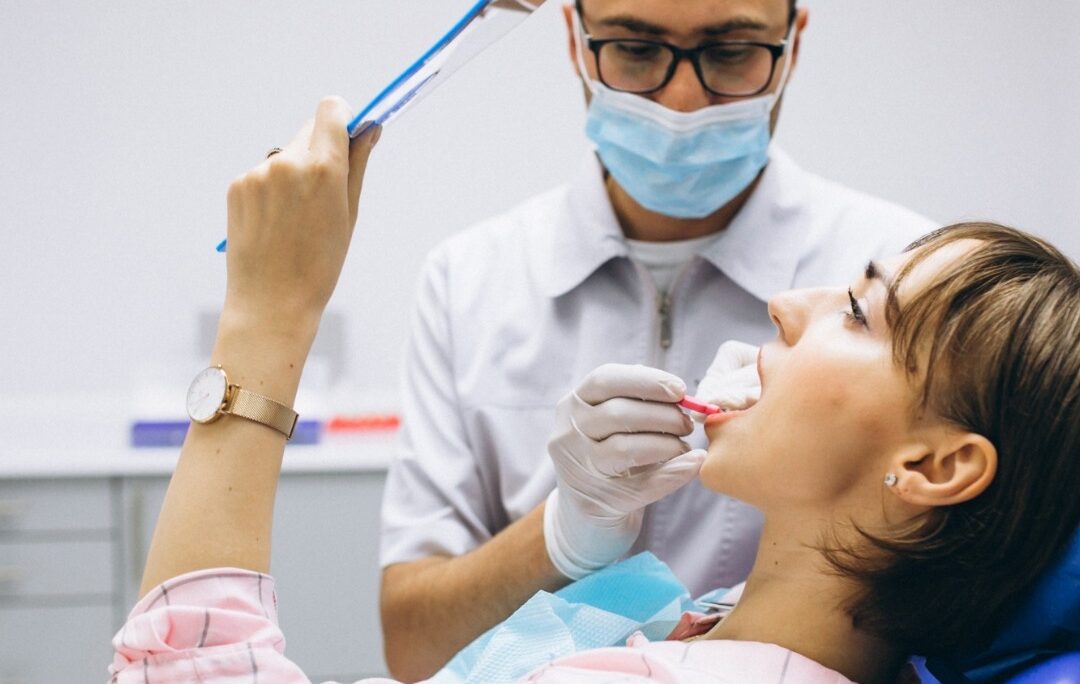
Best Orthodontist in Mohali
If crooked teeth, a gummy smile, or a stubborn overbite have been bothering you, you’ve probably already typed best orthodontist in Mohali into Google more than once. It’s a fair question, and not an easy one to answer, because choosing the right specialist affects everything from your treatment timeline to how comfortable your face feels in photos years from now. Mohali has grown into a genuine hub for dental care over the last decade, drawing patients from Chandigarh, Panchkula, and even NRIs flying in from Canada, the UK, and Australia for treatment during their India visits. So what actually separates a good orthodontist from a great one? Let’s break it down.
Why Choosing the Right Orthodontist in Mohali Actually Matters
Orthodontic treatment isn’t a one-and-done service like a filling. It stretches across months, sometimes years, and involves repeated visits, wire adjustments, and careful monitoring of how your bite shifts over time. A rushed diagnosis or poorly planned treatment can lead to relapse, jaw discomfort, or a smile that never quite looks “finished.” That’s why picking an experienced orthodontist in Mohali for braces treatment is less about convenience and more about long-term outcomes. Look for someone who takes detailed X-rays, discusses your goals before jumping into a plan, and explains the “why” behind their recommendations rather than pushing a one-size-fits-all approach.
What Makes Someone the Best Braces Specialist in Mohali
Not all braces are created equal, and not all specialists approach them the same way. A true best braces specialist in Mohali will typically offer more than one option, metal braces, ceramic braces, and lingual (behind-the-teeth) braces, and help you understand which suits your bite complexity, budget, and lifestyle. Experience matters here more than marketing. Ask how many years the specialist has practiced orthodontics specifically, not just general dentistry, since bite correction requires a different skill set than routine cleanings or fillings. A specialist who reviews your case with digital scans or 3D imaging before finalizing a plan is usually a strong sign of quality care.
Invisalign Treatment in Mohali: The Clear Alternative
For adults who want straighter teeth without the metal-mouth look, Invisalign treatment in Mohali has become one of the most requested services at dental clinics across the tricity area. Invisalign uses a series of clear, removable aligners that gradually shift your teeth, making it far less noticeable than traditional braces and easier to maintain around work meetings, weddings, or everyday life. It’s particularly popular among working professionals and NRIs who want efficient, low-maintenance treatment during a short trip home. That said, Invisalign isn’t right for every case; more complex bite issues may still need traditional braces or a hybrid approach, which is exactly why a proper consultation matters before committing to any single method.
Signs You’ve Found a Genuinely Good Orthodontist
A little research goes a long way before booking your first appointment. Here’s what to actually look for:
- Clear communication — they explain your treatment plan in plain language, not just technical jargon.
- Transparent pricing — no vague estimates; you get a written breakdown before starting.
- Modern technology — digital scans, CBCT imaging, or 3D treatment simulations instead of guesswork.
- Visible track record — before-and-after cases, patient reviews, and years of focused orthodontic experience.
- Comfortable environment — a clean, well-equipped clinic where follow-up visits feel easy, not stressful.
If a clinic checks most of these boxes, you’re likely looking at a genuinely reliable best orthodontist in Mohali, not just a well-marketed one.
Braces vs Invisalign: Which Should You Choose?
This is one of the most common questions patients bring to their first consultation. Braces tend to work faster and cost less for complex misalignments, while Invisalign offers comfort, discretion, and easy removal for eating or brushing. Age, bite severity, budget, and personal preference all play into this decision, so the honest answer is: there’s no universal “better” option, only what’s better for your specific mouth. A good specialist will walk you through both, show you realistic timelines, and let you decide without pressure.
What NRIs and International Patients Should Know
A growing number of patients visiting from Canada and other countries combine a family trip home with dental work, since treatment costs abroad are often a fraction of what they’d pay overseas, without compromising on technology or expertise. If you’re planning something similar, ask about treatment duration upfront, since orthodontic work spans multiple visits and you’ll want a plan that fits your travel schedule, whether that means Invisalign aligners you can continue wearing after you fly back, or a compressed treatment timeline designed around shorter trips.
Final Thoughts
At the end of the day, finding the right specialist comes down to research, honest consultations, and trusting your gut about how a clinic communicates with you. Clinics like Esthetica Dental Clinic have built their reputation in the region around exactly this kind of transparent, patient-first approach to orthodontic care, combining modern technology with individualized treatment planning so patients feel confident before, during, and after their journey to a straighter smile.
A Message from Dr. Sharad Arya, Founder – Esthetica Dental Academy
When I started Esthetica Dental Clinic in 2012, my vision was simple — to combine clinical excellence with genuine patient care. Over the years, as our practice grew across Punjab, Himachal, and Chandigarh, I realized that the biggest gap in Indian dentistry wasn’t a lack of talent, but a lack of accessible, hands-on implant training for practicing dentists.
That’s why we built Esthetica Dental Academy — not as another certificate mill, but as a mentorship-driven program where dentists actually work on live cases, under supervision, until they’re confident enough to do it on their own. I’ve seen BDS graduates walk in unsure of their surgical skills and walk out ready to plan and execute full-arch implant cases independently.
If you’re serious about growing your implant practice, I’d encourage you to invest in training that prioritizes real clinical exposure over theory alone. That’s the philosophy behind everything we teach here.
— Prof. Dr. Sharad Arya, MDS
Every batch we train is small by design, because implant surgery demands individual attention, not a classroom of fifty watching a screen. Whether it’s digital implant planning, guided surgery, or full-arch rehabilitation, we make sure every participant leaves confident enough to apply it in their own practice.
Frequently Asked Questions
1. How much does braces treatment cost in Mohali?
Costs vary based on the type of braces (metal, ceramic, or lingual) and case complexity, generally ranging from budget-friendly metal options to premium aligner-based treatments. Most clinics offer a detailed cost breakdown after your initial consultation.
2. Is Invisalign more expensive than traditional braces?
Yes, Invisalign typically costs more than metal braces due to the customized aligner technology involved, though many patients feel the discretion and comfort are worth the difference.
3. How long does orthodontic treatment usually take?
Treatment length depends on your bite complexity, ranging anywhere from 6 months for minor corrections to 18–24 months for more involved cases.
4. Can adults get braces, or is it only for teenagers?
Adults can absolutely get braces or Invisalign. In fact, adult orthodontic treatment has become increasingly common, especially with discreet options like clear aligners.
5. Does getting braces hurt?
Some initial pressure or mild soreness is normal after adjustments, but it’s generally manageable and fades within a few days with each visit.
6. Can I get orthodontic treatment done during a short visit to India from Canada?
Yes, many NRIs plan treatment around visits home. Aligner-based treatments especially can continue remotely, while traditional braces may require a longer stay or periodic follow-up visits.
7. How do I know if I need braces or Invisalign?
The best way to know is through a proper consultation involving X-rays or digital scans, which will reveal your bite alignment and help determine which treatment suits your case best.