









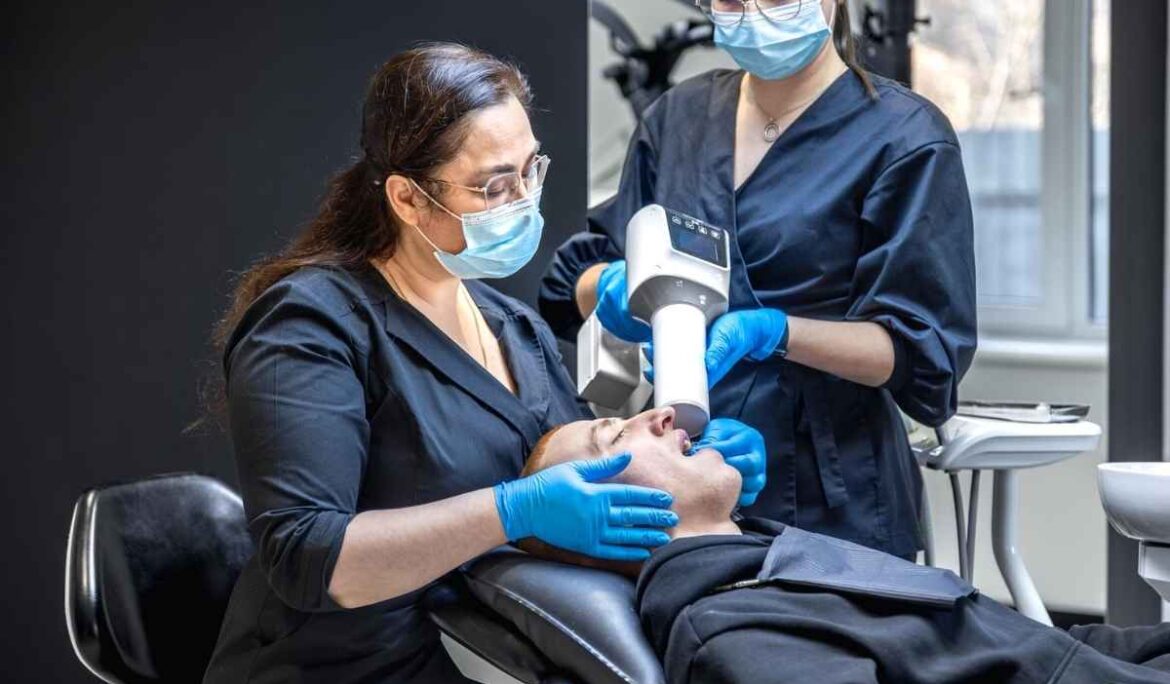
All-on-X Implant Training in India for Thailand Dentists Today?
Patients across Southeast Asia are asking for fixed teeth in a single visit, and they expect predictable results. If you practise in Bangkok, Chiang Mai, Phuket or anywhere else in Thailand, you may be wondering where to learn this properly. All-on-X implant training India for Thailand dentists is becoming a practical answer, because it blends live case exposure, digital planning and mentoring at a sensible cost. In this guide, we explain what to expect from an All-on-X dental implant course in India, who benefits most, and how to choose wisely.
Why Thai Dentists Are Looking Toward India for All-on-X Training
India treats a very large number of implant patients every year, and that volume means trainees see many different bone, gum and bite situations. A clinician who watches several full-arch cases in a week learns faster than one who reads about them for a month. Flights from Thailand are short, and living costs are modest compared with many Western training hubs. For many busy practitioners, that balance of exposure and affordability is hard to beat.
Do language and culture get in the way?
Most Indian dental institutes teach in English, which is already the working language of international dentistry. Thai clinicians usually find the classroom style friendly, discussion-based and easy to follow. Food, hospitality and travel support are also well developed, especially in cities that already host international patients. That makes a short stay smooth, so you can concentrate on learning rather than logistics.
What Is All-on-X and Why Does It Matter in Modern Practice?
All-on-X is a full-arch rehabilitation concept in which a complete set of teeth is supported by a small number of strategically placed implants. The “X” simply stands for the number of implants used, often four, six or more, depending on bone quality and the case plan. Angled posterior implants can reduce the need for grafting, which shortens treatment for patients who have been told they are not suitable. Good planning matters more than the number itself.
Why does it matter for your clinic?
Edentulous and failing-dentition patients are among the most grateful you will treat, and they often refer family and friends. Offering a fixed solution instead of removable dentures can transform quality of life for them. For you, it also adds a high-value service that sets your practice apart from competitors. The catch is that the technique is unforgiving, so structured training is not optional.
What You Learn in an All-on-X Dental Implant Course in India
A strong program covers the full journey from first consultation to final prosthesis. You should expect a curriculum along these lines:
- Patient selection, medical risk screening and realistic expectation setting
- CBCT reading, anatomical landmarks and nerve or sinus safety margins
- Digital smile design and prosthetically driven implant planning
- Surgical guides, flap design, osteotomy and implant placement protocols
- Immediate loading, provisional prosthesis fabrication and bite registration
- Soft tissue management, healing review and final prosthetic delivery
- Complication handling, maintenance schedules and long-term follow-up
Why prosthetics deserve equal attention
Many clinicians focus on surgery and discover later that the prosthetic phase decides success. Occlusion, screw access, hygiene design and material choice all affect how long the result lasts. A good course teaches you to plan backwards from the final teeth, not forwards from the bone. That mindset prevents most of the problems seen in poorly planned full-arch cases.
Hands-On Training vs Theory-Only Courses: Which One Builds Real Skill?
Lectures are useful for biology and decision-making, yet surgical confidence comes from practice. Look for programs that include live demonstrations, supervised work on models, and observation of real patient procedures. Small groups matter here, since they allow the mentor to correct your hand position, angulation and torque control in the moment. If a course promises certification but offers no practical component, think twice before enrolling.
Mentorship after the course ends
The first few cases you perform back home are the most stressful ones. Programs that offer case discussion, treatment-plan review or follow-up guidance give you a safety net during that stage. Ask whether you can send CBCT scans or photographs for feedback after returning to Thailand. Ongoing support often matters more than the number of course days.
Dental Implant Training in India for Thai Dentists: Travel, Cost and Planning
Dental implant training in India for Thai dentists is easiest when you plan the practical details early. Check current visa requirements for your nationality, confirm course dates, and ask what is included in the fee. Accommodation near the training centre saves daily travel time, and a short buffer day before the course helps you settle in. Keep your professional registration papers and identification handy in case the institute requests them.
Is it worth the investment?
Treat the fee as a business decision rather than a pure expense. A single well-planned full-arch case can represent significant revenue for a clinic, and referrals from happy patients add to that. When you compare programs, weigh the number of live cases, group size, mentor experience and post-course support against the price. The cheapest course is rarely the best value.
Advanced Full Mouth Implant Training in India: Who Should Enrol?
Advanced full mouth implant training in India suits clinicians who already understand basic implantology. If you have placed single implants and want to move toward full-arch rehabilitation, this is the right stage to upgrade. General dentists, prosthodontists, periodontists and oral surgeons all benefit, since each brings a different strength to the team. Beginners can still join, but they should consider a foundation course first.
A quick self-check before you apply
- Are you comfortable reading CBCT scans?
- Have you placed single or multiple implants under supervision?
- Do you have access to a lab or digital workflow for provisional teeth?
- Can you commit to follow-up and maintenance care for your patients?
If you answered yes to most of these, you are well placed to gain from a full-arch program.
How to Choose the Right All-on-X Training Program
Start with the faculty: who teaches, how long have they treated full-arch cases, and do they publish or present at conferences? Next, ask how many hours are practical and how many are theory. Then confirm the group size, because crowded rooms limit your hands-on time. Finally, understand what the certificate represents. A training certificate shows participation and skill development, and it does not replace the registration or licence you need to practise in your own country, so always check local rules in Thailand.
Red flags to watch for
Be careful with programs that promise guaranteed expertise in a weekend or hide the curriculum. Vague claims about results, no mention of mentorship and unclear fees are also warning signs. A transparent provider will share the syllabus, explain the learning outcomes and answer your questions openly. Trust is built through clarity.
Frequently Asked Questions
1. Can Thai dentists join an All-on-X implant course in India?
Yes, qualified dentists from overseas can usually enrol in continuing education programs in India. You will normally need to show proof of your dental qualification and registration. Always confirm eligibility and documents with the training provider before paying any fee.
2. How long does an All-on-X dental implant course in India take?
Duration varies from a few days of intensive training to longer, modular programs. Short courses focus on protocols and live observation, while extended ones add supervised practice and case review. Choose the format that matches your experience and time away from the clinic.
3. Do I need prior implant experience?
Prior experience helps a lot, particularly with CBCT interpretation and basic surgical steps. Some programs welcome beginners, but full-arch work is more demanding than single-tooth cases. If you are new, build your foundation first and then move to advanced training.
4. Will the certificate allow me to practise in India?
No. A continuing education certificate confirms that you attended and completed training, and it is not a degree or a licence. Your right to practise depends on your own registration and local regulations, so check these carefully.
5. What is the difference between All-on-4 and All-on-6?
All-on-4 uses four implants per arch, while All-on-6 uses six to spread the load more widely. The right choice depends on bone volume, bite forces and the planned prosthesis. A good course teaches you how to decide case by case.
6. Is hands-on practice included in advanced full mouth implant training?
The best programs combine lectures with model work, live demonstrations and guided practice. Always ask for a clear breakdown of practical hours before enrolling. Hands-on time is the biggest factor in how confident you feel afterwards.
7. How can I prepare before travelling for training?
Revise anatomy, review your own implant cases, and note the questions you want answered. Arrange visa, travel and accommodation early, and carry your registration documents. Reaching the course prepared lets you absorb far more in a short time.
Ready to Begin Your Full-Arch Journey?
Choosing a course is easier when you know what to look for. Use the points below as your final checklist before you decide.
Point 1: Look for Real Clinical Exposure
Choose a program that lets you see and practise real full-arch workflows, not only slides.
Point 2: Prioritise Small Groups
Smaller batches mean more mentor attention and more practice time for every participant.
Point 3: Ask About Follow-Up Support
Guidance after the course helps you apply new skills safely in your own clinic.
Point 4: Plan Your Trip Early
Sort out visa, travel and accommodation ahead of time so you can focus on learning.
If you are serious about adding fixed full-arch rehabilitation to your clinic, book your consultation today and ask about upcoming batches. You can also explore the full list of academy courses, read about the international dentist training program, or see how the team handles full mouth dental implants in real practice. To keep learning, browse more dental implant course articles, the certification course archive and the latest posts on the clinic blog. Whether you are a general dentist or a specialist, Esthetica Dental Academy offers practical, mentor-led implant education designed to help you treat full-arch patients with confidence.
All-on-X Implant Training in India for Thailand Dentists Today
Open to International Dentists
Free Pre-Course Consultation | Limited Seats Per Batch
2-Day
Implantology
An intensive introduction for dentists who want to understand the complete implant workflow.
- ✓2 Days intensive training
- ✓Basic implantology concepts
- ✓Surgical kit demonstration
- ✓Hands-on training
- ✓Live implant surgery exposure
- ✓Certificate
Basic to Advanced
Comprehensive clinical training covering implant placement, bone grafting, sinus lift and prosthetic workflows.
- ✓5–7 Days training
- ✓Live patient surgeries
- ✓Implant placement
- ✓Bone grafting
- ✓Sinus lift
- ✓CBCT planning
- ✓Prosthetic workflow
Implant Diploma
Advanced structured training for dentists seeking deeper implant surgery and prosthetic exposure.
- ✓7 Days intensive program
- ✓15 implant procedures
- ✓Advanced surgery
- ✓Bone management
- ✓Sinus lift
- ✓Prosthetic rehabilitation
- ✓Extended mentorship
Customize Your
Course
Need a program designed around your specific clinical requirements? Build a customized implantology training plan with our team.
- ✓Choose your training duration
- ✓Select specific clinical procedures
- ✓Personalized learning objectives
- ✓Hands-on clinical exposure
- ✓Advanced implantology topics
- ✓Individual mentorship options