






Advanced Dental Implant Training for BDS Graduates
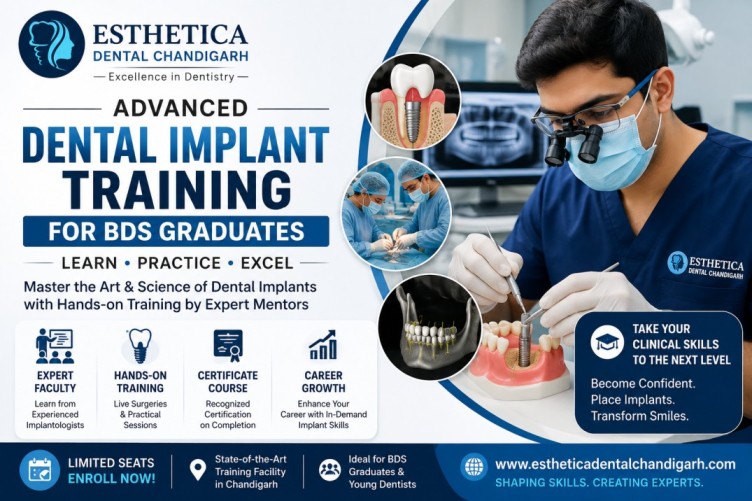
Becoming a confident implant clinician requires more than theoretical knowledge. For BDS graduates, advanced dental implant training can help develop the knowledge and practical skills needed to assess patients, plan treatment, understand clinical procedures, and approach implant dentistry with greater confidence. Structured education allows future dental practitioners to understand different stages of implant treatment while developing the techniques, decision-making abilities, and clinical approach required for further professional development.
Why BDS Graduates Should Consider Advanced Implant Education
Dental implant treatment has become an important part of modern restorative dentistry. However, successful implant treatment requires a detailed understanding of implant treatment planning, patient assessment, surgical principles, restorative procedures, and follow-up care.
Although BDS graduates receive a strong foundation in general dentistry, additional implant dentistry training can help bridge the gap between academic knowledge and the practical requirements of implant treatment. Advanced education provides an opportunity to understand clinical workflows and develop skills that can support future implant practice under appropriate professional supervision.
Implant Treatment Planning Education for Future Dentists
Successful implant treatment begins with careful planning rather than surgery alone. Implant treatment planning is therefore a central component of advanced implant education.
BDS graduates can learn how to evaluate patient history, clinical findings, radiographic information, bone availability, periodontal health, occlusion, aesthetic requirements, and patient expectations. Understanding these factors helps dentists develop individualized treatment plans and recognize situations where alternative treatments or additional procedures may be appropriate.
Turning Implant Dentistry Knowledge Into Clinical Skills
One of the key benefits of structured education is the opportunity to convert theoretical knowledge into practical understanding. Hands-on dental implant training can introduce learners to instruments, implant components, clinical workflows, and simulated procedures.
Training using models, phantom heads, demonstrations, or supervised clinical cases can help BDS graduates understand the sequence of implant procedures. Practical learning may also improve familiarity with surgical instruments, implant positioning concepts, suturing techniques, and other aspects of implant dentistry.
Hands-on experience should complement theoretical education and supervised clinical practice rather than replace appropriate professional training, clinical judgment, or regulatory requirements.
Learning Patient Assessment, Management, and Risk Factors
Not every patient is an appropriate candidate for implant treatment. Proper patient evaluation is therefore essential before developing an implant treatment plan.
A structured implantology course for BDS graduates should cover factors such as:
- Oral hygiene and periodontal condition
- Bone quality and available bone volume
- Medical and dental history
- Existing restorations and occlusion
- Smoking and other relevant risk factors
- Aesthetic expectations
- Patient compliance and maintenance requirements
- Possible contraindications and treatment limitations
Understanding these factors can help future dentists make more informed clinical decisions and identify cases that may require additional expertise or specialist involvement.
Clinical Cases as an Important Part of Implant Dentistry Education
Clinical case analysis is an important component of effective advanced implantology training. Reviewing realistic cases allows BDS graduates to understand how theoretical concepts are applied to different treatment situations.
Case-based learning may include:
- Assessing the patient’s primary dental concern
- Reviewing clinical and radiographic findings
- Identifying treatment objectives
- Developing an individualized treatment plan
- Considering surgical approaches
- Evaluating implant positioning
- Discussing prosthetic restoration options
- Understanding possible complications
- Reviewing healing and follow-up considerations
Studying both successful and challenging cases can also improve clinical decision-making. Implant dentistry involves different patient conditions, treatment limitations, and possible complications, making case analysis valuable for developing a structured approach to treatment planning.
Learning Surgical and Prosthetic Aspects of Implant Dentistry
Advanced implant education should provide a balanced understanding of both surgical and prosthetic aspects of implant treatment. BDS graduates need to understand how implant placement relates to the final restoration and overall treatment objective.
The educational curriculum may introduce concepts related to:
- Implant positioning and angulation
- Surgical site assessment
- Basic surgical principles
- Implant components
- Prosthetic planning
- Impressions and digital workflows
- Abutment selection
- Crown and bridge considerations
- Occlusal principles
- Maintenance and follow-up
Understanding the connection between implant placement and prosthetic rehabilitation helps learners appreciate the importance of planning treatment from the final restoration backward.
Factors to Consider When Choosing an Implant Education Course
Choosing the right dental implant training course requires careful evaluation. BDS graduates should consider the educational structure, faculty experience, curriculum, practical exposure, mentorship, and clinical case discussions before enrolling.
Important factors include:
- Faculty qualifications and clinical experience
- Course curriculum and learning objectives
- Treatment planning education
- Hands-on training opportunities
- Exposure to clinical cases
- Surgical and prosthetic education
- Training with relevant instruments and systems
- Mentorship and guidance
- Course duration and learning format
- Post-course educational support
A comprehensive program should provide opportunities for learners to ask questions, discuss clinical situations, and understand different approaches to implant treatment.
Advancing Implant Dentistry Knowledge and Building Clinical Confidence
Advanced implant education can provide BDS graduates with a stronger foundation in treatment planning, patient assessment, surgical principles, prosthetic rehabilitation, and practical implant dentistry.
At ESTHETICA DENTAL ACADEMY, structured implant education can help learners connect theoretical concepts with practical learning and clinical case understanding.
However, completing an educational program should be viewed as one step in professional development. BDS graduates should continue improving their knowledge and clinical skills through appropriate supervised experience, continuing education, current evidence, and applicable professional guidelines.
Developing confidence in implant dentistry is a gradual process. A strong educational foundation, combined with ongoing learning and appropriate clinical mentorship, can help future dentists approach implant cases more systematically and responsibly.
Frequently Asked Questions
1. Who can benefit from advanced dental implant training?
Advanced dental implant training can benefit BDS graduates, newly qualified dentists, and practicing dental professionals who want to strengthen their understanding of implant dentistry and treatment planning.
2. What does advanced implantology training cover?
A comprehensive implantology training program may cover patient assessment, diagnosis, treatment planning, implant positioning, surgical principles, prosthetic rehabilitation, complications, maintenance, and post-treatment management.
3. Is hands-on experience important for BDS graduates?
Yes. Hands-on dental implant training can help learners become familiar with instruments, clinical procedures, implant components, and treatment workflows. Practical education should be supported by appropriate supervision and continued clinical development.
4. Can BDS graduates immediately place implants after completing a course?
Completing a training course does not automatically mean that a dentist is prepared to independently manage every implant case. Clinical competence develops through education, supervised experience, case selection, continued learning, and compliance with applicable professional and legal requirements.
5. Does implant training include treatment planning?
Yes. Implant treatment planning is an important part of comprehensive implant education. It involves evaluating the patient’s clinical condition, radiographic findings, bone availability, aesthetic needs, restorative requirements, and potential risks.
6. Can implant education improve clinical confidence?
A structured program can help improve confidence by combining theoretical education, case discussions, treatment planning exercises, practical demonstrations, and appropriate hands-on learning. Continued supervised clinical experience remains essential for developing competence.
7. How should BDS graduates choose the right implant training program?
BDS graduates should compare the curriculum, faculty, practical exposure, clinical case experience, mentorship, course duration, treatment planning components, and post-course support before selecting a program.
8. Why is prosthetic knowledge important in implant dentistry?
Implant placement should be planned with the final restoration in mind. Understanding prosthetic requirements helps dentists consider implant position, angulation, emergence profile, occlusion, aesthetics, and long-term restorative objectives.
9. What should BDS graduates do after completing implant training?
After completing training, graduates should continue developing their skills through appropriate clinical experience, mentorship, continuing education, evidence-based learning, and professional guidance. Ongoing development is important for managing increasingly complex implant cases.
Build a Strong Foundation in Implant Dentistry
For BDS graduates, advanced implant education can be an important step toward understanding modern implant treatment. From patient assessment and implant treatment planning to surgical principles, prosthetic rehabilitation, case analysis, and hands-on learning, a structured program can provide a foundation for continued professional development.
ESTHETICA DENTAL ACADEMY focuses on connecting implant dentistry concepts with practical learning so that participants can better understand the clinical reasoning behind different treatment approaches.
With continued education, appropriate mentorship, and supervised clinical experience, BDS graduates can progressively develop the knowledge and skills required to advance their careers in implant dentistry.
For dentists looking to strengthen their foundation in implantology, ESTHETICA DENTAL ACADEMY can be considered as part of their ongoing professional learning journey.