









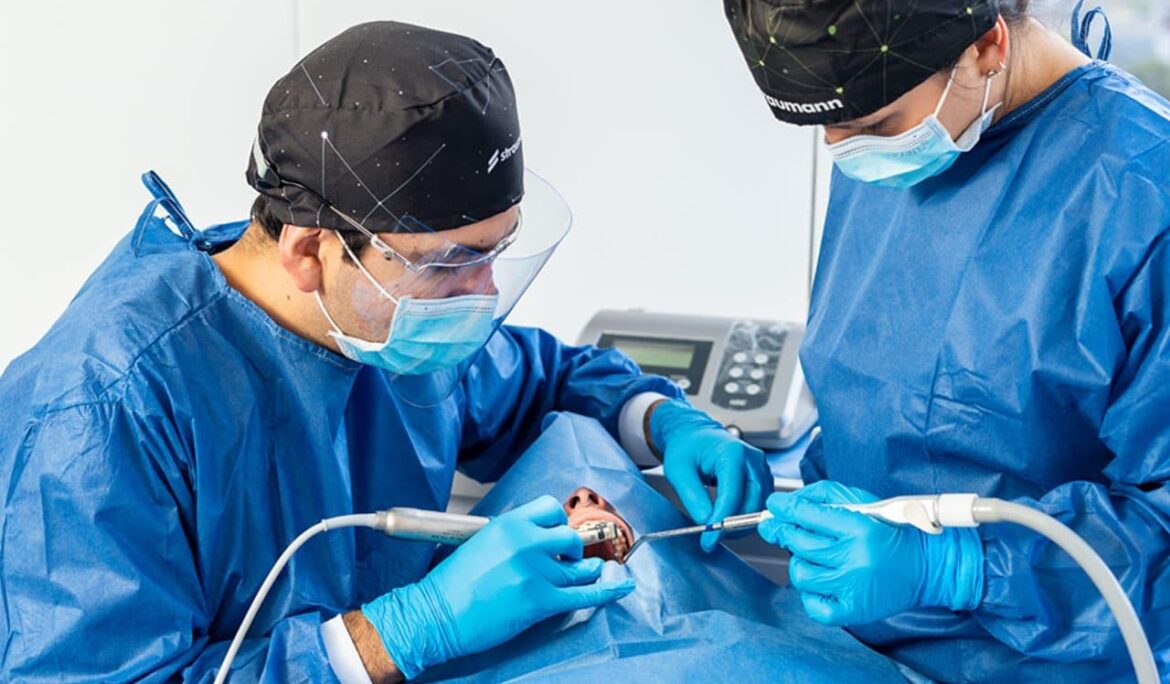
Live Patient Implant Course in India for International Dentists
You have watched the webinars, read the journals and maybe practiced on a few models. Yet the moment a real patient sits in your chair, theory suddenly feels very far away. That gap is exactly why a Live Patient Implant Course in India has become a top choice for dentists from the UK, Africa, the Middle East, Australia and beyond. Here you work on real cases, ask real questions and leave with skills you can use the following Monday. This guide explains what to expect, who benefits most and how to pick a program that is truly worth your time and money.
Why Are Dentists From Abroad Choosing India for Implant Training?
India sees a huge patient volume across implant dentistry, from single missing teeth to complete arch rehabilitation. For a trainee, that means more variety of cases in less time. You see simple placements, tricky bone situations, immediate loading and full-mouth plans, all within one learning journey.
Cost is another practical reason. Training, accommodation and local travel usually add up to far less than comparable programs in Europe or North America. Many clinics also run structured dental implant training for international dentists, so language, paperwork and scheduling are already planned around overseas participants.
And there is the learning style. Mentors in India are used to teaching visitors from many countries, which makes them patient with questions and open to discussing different protocols. You are not just copying steps, you are understanding why each decision is made.
What Makes a Live Patient Course Different From a Regular Lecture Series?
Lectures give you knowledge. Models give you muscle memory. Only live cases give you judgment. Real tissue bleeds, bone density changes from one patient to the next and no two ridges look alike. A good course lets you observe, assist and, depending on your registration and the program rules, take part in the clinical steps under close supervision.
This is why live patient implant training in India is so valued. You learn how to talk to anxious patients, how to adapt your plan when the scan and the surgical site disagree, and how to stay calm when something does not go exactly as drawn. These are lessons no slide deck can teach.
You also see the full chain of care. That means consultation, scan review, treatment planning, surgery, healing checks and prosthetic delivery, not just the ten minutes of surgery most short courses focus on.
What Should You Expect From a Hands-On Dental Implant Course in India?
A well-built hands-on dental implant course in India should combine four things: clear theory, guided planning, supervised clinical exposure and honest case discussion. If one of these is missing, the course will feel incomplete.
Here is what a quality program typically covers:
- Diagnosis and case selection: reading CBCT scans, judging bone quality and deciding who is a good candidate.
- Digital planning: using software to plan implant position and angulation before surgery.
- Surgical protocols: flap design, drilling sequences, implant placement and suturing.
- Immediate loading and full-arch concepts: including how modern teams handle full mouth dental implants for patients who have lost most or all of their teeth.
- Soft tissue handling and bone management: the quiet skills that decide long-term success.
- Prosthetic workflow: impressions, temporaries and final restorations.
- Complications: what goes wrong, how to spot it early and how to fix it.
Small groups matter here. When only a few clinicians share one mentor, everyone gets screen time, chair time and feedback. Large batches often turn into spectator sports.
Who Should Join Dental Implant Training for International Dentists?
These programs suit a surprisingly wide range of clinicians. General dentists who want to add implants to their services are the most common group. Oral surgeons, prosthodontists and periodontists also join to sharpen specific skills such as full-arch rehabilitation or guided surgery.
Recent graduates can benefit too, as long as they understand the basics of surgery and anatomy. Experienced dentists who already place implants but feel unsure about complex cases often leave with the biggest confidence boost.
One honest note: an overseas course does not automatically allow you to treat patients back home. Licensing rules differ by country, so check with your own dental council before you enrol. Also remember that most short training programs award a certificate of participation, not a degree or a statutory qualification. Knowing this upfront avoids disappointment later.
A Typical Learning Journey: From Day One to Your First Supervised Case
Every academy designs its schedule differently, but the flow usually looks like this.
The first day is about orientation, theory and case discussion. You review scans, learn the planning logic and meet the clinical team. Expect plenty of questions on bone grafting, sinus considerations and risk management.
Next come demonstrations. You watch the mentor treat real patients and explain each decision out loud, from anesthesia to final suture. This is often the most valuable part, because you hear the reasoning behind every move.
After that, the program moves into supervised participation, where permitted. You assist, plan and, within the program rules, perform selected steps. Finally, you review outcomes together, including what you would do differently. Reflection is where real growth happens.
If you want to see what such a program looks like in practice, you can browse the full list of dental academy courses and compare content, duration and eligibility.
Practical Things to Sort Out Before You Travel
A little planning keeps the trip smooth. Start with documents: a valid passport, the right visa category for training, and proof of your dental registration. Ask the organizers what papers they need from you, and when.
Next, think about insurance. Travel and health cover are sensible, and some dentists also check whether their professional indemnity applies during training abroad. It is better to ask than to assume.
Book accommodation near the clinic if you can. Short commutes save energy for what matters, which is learning. Also, pack comfortable shoes, a loupe if you use one, and a notebook. You will fill it faster than you think.
Finally, build a little extra time into your trip. Many visitors enjoy exploring nearby cities and culture after the course. If you are curious how overseas visitors usually manage the full experience, this guide to dental tourism in India gives a helpful picture of travel and treatment logistics.
How to Choose the Right Program: A Simple Checklist
Not every course is equal, so ask direct questions before paying a deposit.
- Who teaches? Look for mentors with long clinical experience and a record of teaching. A strong profile, like that of Prof. Dr. Sharad Arya, tells you a lot about the style of training.
- How many participants per batch? Fewer is better.
- Are patients truly live? Ask how many real cases you will see and what your role will be.
- What implant systems are used? Exposure to more than one system broadens your options.
- Is there follow-up support? Mentorship after you fly home is a big plus.
- Is the paperwork honest? A reputable provider clearly states what the certificate does and does not represent.
You can also look at before-and-after outcomes to judge the standard of work behind the teaching. A page of treatment cases shows the results mentors are aiming for in everyday practice.
Frequently Asked Questions
1. What is a live patient implant course?
It is a training program in which you learn implant dentistry by observing and, where permitted, participating in treatment of real patients under expert supervision. Unlike model-only workshops, it shows you real tissue, real decisions and real outcomes.
2. How long does a hands-on dental implant course in India last?
Duration varies widely. Some programs run for a few days, while others stretch across weeks or are split into modules. Choose based on your experience level and how much time you can spend away from your own practice.
3. Can international dentists place implants during the course?
That depends on the program’s rules and, importantly, on local regulations. Many courses allow supervised participation, while others focus on observation and assistance. Always ask for written details before you register.
4. Do I need prior implant experience?
Not always. Beginner-friendly tracks exist, though you should be comfortable with basic oral surgery. If you already place implants, look for advanced modules on full-arch cases, grafting or digital workflows.
5. Will the certificate be valid in my country?
Usually, a short training certificate confirms participation and does not act as a license or a statutory qualification. Check your national dental council’s rules to understand how it may count toward continuing education.
6. What does dental implant training for international dentists cost?
Fees differ by course length, mentor, group size and what is included. Ask for a clear breakdown covering tuition, materials and any extras. Remember to add travel, visa and accommodation to your budget.
7. How do I enrol in a live patient implant program?
Start by contacting the academy, sharing your qualifications and confirming available batches. The team will guide you on documents, eligibility and next steps. For more background reading before you decide, browse the dental blog.
Ready to Learn Implants on Real Patients? Here Is What Matters Most
Choosing a course is a big decision, so focus on the parts that truly shape your skill and confidence.
Learn From Real Cases, Not Just Slides
Real patients bring real complexity. Seeing how an experienced mentor reads a scan, adjusts a plan and handles surprises builds judgment that no simulation can match.
Train in Small Groups for Personal Attention
When the group is small, you get questions answered, your technique reviewed and your doubts cleared. Personal feedback speeds up learning more than almost anything else.
Leave With a Workflow You Can Use at Home
The best programs end with a clear, repeatable process covering planning, surgery and prosthetics. That is what turns a trip into a lasting upgrade for your practice and your patients. If you work with overseas colleagues, the international dentist training program is a good place to see how a structured path can look.
Take the next step: have questions about dates, eligibility or content? Book an appointment or message the team today, and plan your Live Patient Implant Course in India with confidence.
If you want a trusted place to build real clinical confidence, Esthetica Dental Academy offers mentor-led, practical implant training designed for dentists who want to learn with live cases and carry that skill back to their own patients.
Live Patient Implant Course in India for International Dentists
2-Day
Implantology
An intensive introduction for dentists who want to understand the complete implant workflow.
- ✓2 Days intensive training
- ✓Basic implantology concepts
- ✓Surgical kit demonstration
- ✓Hands-on training
- ✓Live implant surgery exposure
- ✓Certificate
Basic to Advanced
Comprehensive clinical training covering implant placement, bone grafting, sinus lift and prosthetic workflows.
- ✓5–7 Days training
- ✓Live patient surgeries
- ✓Implant placement
- ✓Bone grafting
- ✓Sinus lift
- ✓CBCT planning
- ✓Prosthetic workflow
Implant Diploma
Advanced structured training for dentists seeking deeper implant surgery and prosthetic exposure.
- ✓7 Days intensive program
- ✓15 implant procedures
- ✓Advanced surgery
- ✓Bone management
- ✓Sinus lift
- ✓Prosthetic rehabilitation
- ✓Extended mentorship
Customize Your
Course
Need a program designed around your specific clinical requirements? Build a customized implantology training plan with our team.
- ✓Choose your training duration
- ✓Select specific clinical procedures
- ✓Personalized learning objectives
- ✓Hands-on clinical exposure
- ✓Advanced implantology topics
- ✓Individual mentorship options