








Zygomatic Implant Training in India for Australian Dentists: Your Complete Guide
If you treat patients who have been told they have “no bone left” for implants, you already know how hard those conversations are. Zygomatic implant training in India for Australian dentists is becoming a practical answer to that problem. It gives you a structured way to learn a demanding technique without waiting months for a seat at a local course. In this guide, we explain what a zygomatic dental implant course in India covers, what to look for, and how to decide whether it fits your practice. Everything is written in plain language, so you can plan your next step with confidence.
Why Are Australian Dentists Looking Overseas for Zygomatic Training?
Australian clinics see more patients with severe upper jaw bone loss than many dentists expect. Long-term denture wearers, patients with failed implants, and people with gum disease often arrive with very little maxillary bone. Standard implants cannot hold in that space without extensive grafting. Many patients refuse grafting because of the cost, the healing time, or fear of surgery.
That gap is why dentists search for advanced zygomatic implant training for Australian dentists. Local places on hands-on programs are limited and can be expensive. Training in India offers high patient volume, structured case discussions, and close mentorship in small groups. For a busy clinician, that combination can shorten the path from theory to confident practice.
What Are Zygomatic Implants, and When Do They Make Sense?
A zygomatic implant is a longer implant anchored in the cheekbone (zygomatic bone) instead of the weak upper jaw. Because the cheekbone is dense, it can offer strong support when the ridge has resorbed. The implants then carry a fixed bridge, so the patient can leave with teeth rather than a removable denture.
Typical cases where zygomatic implants are considered
These implants are usually discussed for patients with severe maxillary atrophy, failed grafts, or large defects after trauma or surgery. They are also considered for patients who want to avoid sinus lifts and bone grafting. Careful case selection is everything, and good training teaches you when to say no as well as when to proceed.
Why proper training matters
The anatomy around the cheekbone, the sinus, and the eye socket leaves little room for error. Complications such as sinusitis or damage to nearby structures are real risks. That is why dental implant training in India for international dentists should never be a quick demonstration. It needs planning, surgical logic, and supervised practice.
What Should a Good Zygomatic Dental Implant Course in India Teach?
Not every program is equal, so look closely at the content before you book flights. A strong curriculum balances theory, digital planning, and hands-on surgical work. Here is what to expect from a quality zygomatic dental implant course in India.
Anatomy and diagnosis
You should study the zygomatic buttress, maxillary sinus, and surrounding anatomy in depth. CBCT reading is a core skill, because the scan decides whether a patient is a candidate. Good teaching shows you how to spot red flags before surgery, not after.
Digital treatment planning
Modern zygomatic work depends on 3D planning. You learn to map implant angulation, entry points, and prosthetic position before touching the patient. Planning the final teeth first, and the surgery second, leads to more predictable results.
Surgical technique
The course should cover flap design, drilling sequences, implant placement paths, and soft tissue management. Live demonstrations are valuable because you see decisions made in real time. Supervised hands-on practice then helps you turn that knowledge into muscle memory.
Prosthetic rehabilitation and immediate loading
Placing the implants is only half the job. You also need to understand how to build a fixed, hygienic, long-lasting prosthesis and when immediate loading is suitable. Training should include maintenance protocols so your patients stay healthy for years.
Managing complications
A trustworthy program talks openly about what can go wrong. You should learn how to prevent, recognise, and manage complications. That honesty is a sign of a mature, patient-first teaching culture.
What Does Advanced Zygomatic Implant Training for Australian Dentists Look Like?
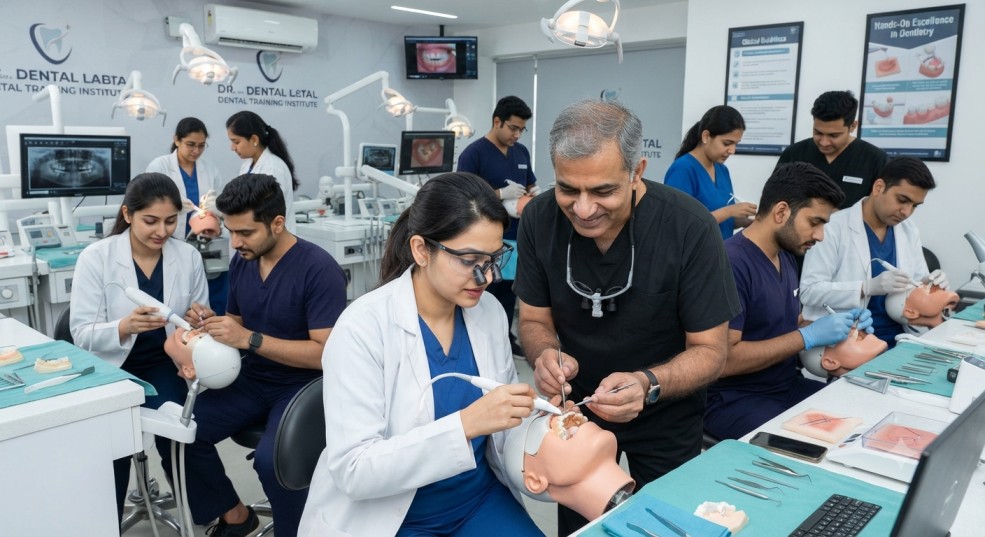
A well-designed program is built around experienced clinicians, not beginners. Most participants already place standard implants and want to move into full-arch and severely atrophic cases. Learning in a small group means you get direct feedback instead of watching from the back of a large room.
Expect a mix of case-based discussions, planning workshops, and live clinical exposure. You also benefit from mentorship that continues after the course, so you are not alone with your first real case. Bring your own difficult scans if you can, because reviewing real patients is where the best learning happens.
Why Is India a Smart Choice for Dental Implant Training for International Dentists?
India treats a large number of complex implant cases, and that exposure matters for learning. Dentists see varied anatomy, different levels of bone loss, and full-mouth rehabilitation planned in a systematic way. Many clinics also use digital workflows, CBCT-guided diagnosis, and well-known implant systems.
Cost is another practical advantage. Course fees, accommodation, and daily expenses are often lower than comparable programs in Europe or North America. Travel from Australia is manageable, and many clinicians combine training with a short stay in the Chandigarh and Mohali region. You can explore the overseas program details on the international dentist training program page.
How Do You Choose the Right Course? A Simple Checklist
Before committing, ask a few direct questions. A good provider will answer them without hesitation.
- Who teaches? Look for clinicians who actively place zygomatic and full-arch implants.
- How big is the group? Smaller groups mean more personal attention.
- How much is hands-on? Watching alone will not build surgical skill.
- Is planning included? Digital and CBCT-based planning should be part of the syllabus.
- What happens after? Ongoing mentorship makes a big difference for your first cases.
It also helps to read about the clinicians behind the program. You can learn about the founder’s background on the Dr. Sharad Arya profile page.
What Concerns Do Dentists Have Before Travelling for Training?
The most common worry is recognition. Short courses are designed for continuing professional development and skill building. They are not a degree, diploma, or registration, and they do not change your scope of practice. Always check what your own regulator expects before you enrol, and keep your certificate for your CPD records.
The second worry is practical: travel, time away from the clinic, and language. English is widely used in Indian clinical settings, so communication is rarely a barrier. Plan your dates early, and arrange cover for your practice so you can focus fully on learning.
To see how the clinic works with patients, read about its dental implant treatments and its approach to full mouth dental implants.
Frequently Asked Questions
1. Who is a zygomatic implant course suitable for?
These programs are best for dentists who already place standard implants and want to treat severe upper jaw bone loss. Beginners can still attend, but a strong foundation in surgery and prosthetics helps you gain much more.
2. How long does zygomatic implant training in India take?
Duration depends on the program. Some are intensive short courses, while others spread learning across several modules with mentorship in between. Check the current schedule on the dental academy courses page.
3. Will this course qualify me to practise in Australia?
No. A training certificate shows participation and skill development only. Your registration and scope of practice are set by your Australian regulator, so confirm your obligations before you start placing these implants.
4. Do I get hands-on practice?
A good course includes practical sessions alongside live demonstrations and planning workshops. Always ask how much of the program is genuinely hands-on before you book.
5. What is the difference between zygomatic and standard implants?
Standard implants anchor in the jaw bone, so they need enough bone volume. Zygomatic implants are longer and anchor in the cheekbone, which helps when the upper jaw has resorbed significantly.
6. Are zygomatic implants risky?
Any surgery carries risk, and this one involves complex anatomy. With correct case selection, 3D planning, and trained hands, risks are reduced, but they are never zero. Training should teach you how to manage complications.
7. Can I combine training with a trip to India?
Yes, many international dentists plan a short stay around their course. If you are curious about the patient side of the clinic, see the page on dental tourism in India.
Ready to Start Your Zygomatic Journey?
Taking the next step does not have to feel overwhelming. Here is a simple way to move forward.
Step 1: Define your goal
Decide whether you want to treat atrophic cases yourself or work in a team. Your goal shapes which program suits you best.
Step 2: Review your current skills
Be honest about your experience with implants, grafting, and full-arch prosthetics. Strengthen any weak area before attempting zygomatic surgery.
Step 3: Ask the right questions
Contact the academy and ask about group size, hands-on time, and follow-up support. Clear answers tell you a lot about the program’s quality.
Step 4: Book your place early
Small groups fill quickly, so reserve your seat in good time. Ready to learn? Book your appointment or enquiry here and speak with the team. For more reading on implant topics, browse the clinic blog.
If you are serious about growing your implant skills, Esthetica Dental Academy offers a practical, mentor-led route into advanced zygomatic and full-arch implant dentistry, designed for dentists who want predictable, patient-focused results.
Zygomatic Implant Training in India for Australian Dentists Course
2-Day
Implantology
An intensive introduction for dentists who want to understand the complete implant workflow.
- ✓2 Days intensive training
- ✓Basic implantology concepts
- ✓Surgical kit demonstration
- ✓Hands-on training
- ✓Live implant surgery exposure
- ✓Certificate
Basic to Advanced
Comprehensive clinical training covering implant placement, bone grafting, sinus lift and prosthetic workflows.
- ✓5–7 Days training
- ✓Live patient surgeries
- ✓Implant placement
- ✓Bone grafting
- ✓Sinus lift
- ✓CBCT planning
- ✓Prosthetic workflow
Implant Diploma
Advanced structured training for dentists seeking deeper implant surgery and prosthetic exposure.
- ✓7 Days intensive program
- ✓15 implant procedures
- ✓Advanced surgery
- ✓Bone management
- ✓Sinus lift
- ✓Prosthetic rehabilitation
- ✓Extended mentorship
Customize Your
Course
Need a program designed around your specific clinical requirements? Build a customized implantology training plan with our team.
- ✓Choose your training duration
- ✓Select specific clinical procedures
- ✓Personalized learning objectives
- ✓Hands-on clinical exposure
- ✓Advanced implantology topics
- ✓Individual mentorship options