








Digital Implant Planning Course India: Advanced Training for Modern Dentists
Every dentist remembers the first implant case that felt uncertain. Is the bone dense enough? Is the nerve too close? Today, a Digital Implant Planning Course India answers those questions before the patient even sits in the chair. By combining CBCT scans, 3D software and virtual surgery, clinicians can plan each implant with precision and calm confidence. If you want to move from guesswork to predictable outcomes, this guide explains what advanced training involves, who benefits, and how to choose the right program.
Why Digital Planning Is Changing Implant Dentistry for Good
Implant dentistry used to depend heavily on two-dimensional X-rays and the surgeon’s experience. That approach worked, but it left room for surprises once the flap was raised. Digital workflows remove much of that uncertainty by showing the jaw in three dimensions, including bone volume, density, sinus position and nerve pathways.
Patients feel the difference too. Shorter surgical time, less swelling and clearer explanations make treatment less frightening. When a patient can actually see the planned implant position on a screen, trust builds quickly. For the dentist, this means fewer complications, fewer revisions and a stronger reputation built on consistent results.
What Exactly Is a Digital Implant Planning Course?
A digital implant planning course teaches you to design the entire implant case on a computer before any surgery begins. You learn to read CBCT data, mark anatomical structures, choose implant size and angulation, and plan the final crown first. This “prosthetically driven” thinking ensures the implant sits where the tooth actually needs it.
Good programs also connect planning with real clinical decisions. You study case selection, risk assessment, bone grafting needs and treatment sequencing. The goal is not just to operate software, but to think like a complete implant clinician who understands both surgery and restoration.
Skills You Can Expect to Build
A well-structured Digital Implantology Course India usually covers a broad skill set that applies to everyday practice. Here are the core areas you should look for:
- CBCT interpretation: reading scans accurately and spotting anatomical risks early.
- 3D treatment planning software: positioning implants virtually with correct depth and angulation.
- Digital smile and prosthetic design: planning the crown before placing the implant.
- Surgical guide design: converting your virtual plan into a printable guide.
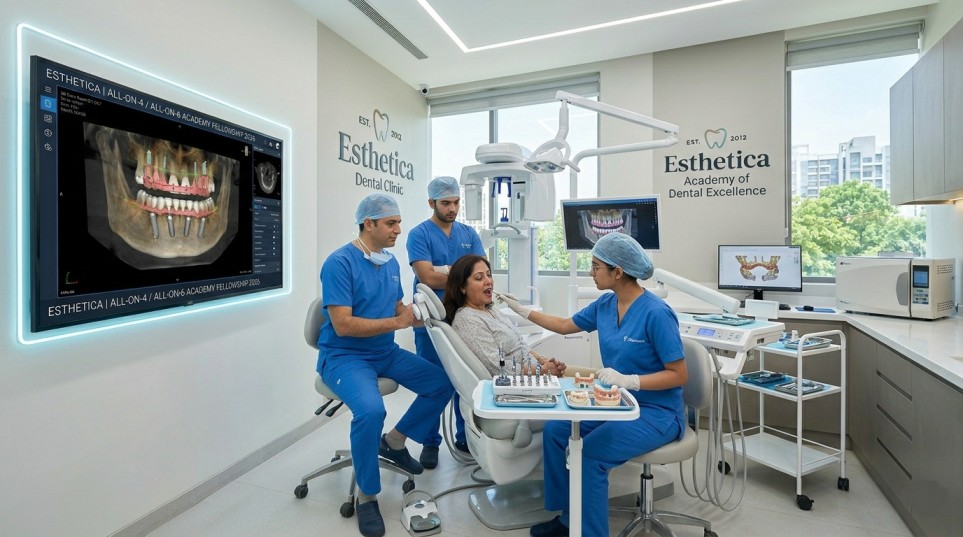
- Full-arch concepts: understanding protocols such as All-on-4 and All-on-6 rehabilitation.
- Complication management: recognising problems early and knowing how to respond.
These skills build on each other. Once you can read a scan confidently, planning becomes faster, and surgery becomes calmer because every step has already been rehearsed on screen.
From Screen to Surgery: The Guided Implant Surgery Course Advantage
Planning is only half the story. A Guided Implant Surgery Course shows you how to transfer that digital plan into the patient’s mouth using a precisely fitted surgical guide. The guide controls drill position, angle and depth, which reduces the risk of drifting into vital structures.
This matters most in complex situations, such as limited bone, multiple missing teeth or immediate loading. Guided surgery can mean smaller incisions, quicker healing and more predictable aesthetics. You also learn when guided surgery is not the right choice, because honest judgment is as valuable as technical skill.
Who Should Join a Digital Implantology Program?
These courses suit general dentists who want to start placing implants safely, as well as practitioners who already place them but want to modernise their workflow. Oral surgeons, periodontists and prosthodontists also benefit, since digital planning improves communication across the whole treatment team.
Recent graduates can use such training to build a strong foundation instead of learning only through trial and error. Experienced clinicians often join to adopt digital tools that save chair time. Whatever your stage, a good course meets you at your level and moves forward with practical, case-based teaching.
Hands-On Learning vs Theory: What Good Dental Implant Training in India Looks Like
The best Dental Implant Training India programs balance lectures with real practice. Theory teaches biology, biomechanics and decision-making. Hands-on sessions turn that knowledge into muscle memory, which is what you rely on when a real patient is in front of you.
Look for live demonstrations, model-based exercises and case discussions where you plan actual patient scans. Small batches matter because they allow personal feedback from mentors. If a course is only slides and videos, you may leave informed but not truly confident.
How to Choose the Right Course: A Simple Checklist
Choosing a course is an investment of time and money, so compare options carefully. Ask these questions before you enrol:
- Who teaches? Check the faculty’s real clinical experience in implant surgery.
- How many participants per batch? Smaller groups mean more individual attention.
- Is there live or hands-on exposure? Practical work is where confidence grows.
- Which software and technology are used? Modern tools keep your skills relevant.
- What does the certificate represent? Understand whether it is a participation certificate or a recognised qualification.
That last point deserves honesty. Clinical training programs usually provide a certificate of participation, not a university degree or a license to practise. Your registration and legal scope of practice come from your existing dental qualification, so verify details in writing before paying any fee.
How Digital Planning Can Grow Your Practice
Patients today research treatments online before they visit. A clinic that offers 3D planning, guided surgery and clear visual explanations stands out immediately. You can show patients a preview of the result, discuss options openly and reduce anxiety before treatment begins.
Internally, digital workflows save time. Fewer surprises during surgery, better coordination with the lab and more predictable prosthetics all reduce stress. Over time, this efficiency helps you take on more complex cases with confidence, which naturally supports referrals and word-of-mouth growth.
Frequently Asked Questions
1. What is a digital implant planning course?
It is a training program that teaches you to plan implant treatment using CBCT scans and 3D software. You learn to position implants virtually, design surgical guides and coordinate surgery with the final restoration.
2. Who can enrol in a digital implantology course in India?
These courses are generally meant for qualified dentists, including general practitioners and specialists. Some programs may also accept recent graduates, so always confirm eligibility with the course provider.
3. How long does implant training usually take?
Duration varies widely. Some are short intensive workshops lasting a few days, while others are structured mentorship programs spread over weeks or months. Choose one that matches your experience and available time.
4. Is guided implant surgery better than freehand surgery?
Guided surgery offers greater accuracy and predictability, especially in complex cases. However, it is not always necessary, and good clinicians know when each approach is appropriate.
5. Will I get hands-on practice or only theory?
This depends on the program. Quality courses include model work, planning exercises and live demonstrations. Ask clearly what practical exposure you will receive before you register.
6. Is the certificate an official degree?
No, most short clinical training certificates confirm participation only. They do not replace a dental degree or registration, so check the provider’s disclaimer.
7. Why is CBCT important in implant planning?
CBCT shows the jaw in three dimensions, revealing bone width, height and nearby nerves or sinuses. This information helps you avoid risks and select the right implant size and position.
Ready to Plan Your Next Step in Implant Dentistry?
Digital planning is no longer a luxury; it is quickly becoming the standard for safe, predictable implant care. Whether you are just beginning or refining an established practice, structured training can shorten your learning curve and improve every case you treat. Take time to compare programs, ask about mentorship and choose one that values practical confidence over certificates alone.
If you are searching for a Digital Implant Planning Course India that combines CBCT-guided planning, hands-on practice and personal mentorship, explore the programs at Esthetica Advanced Dental Academy. Contact the academy today to learn about upcoming batches and take the next confident step in your implant journey.