









Dental Course in India for Foreign Dentists
Choosing a dental course in India for foreign dentists is a practical decision for many clinicians today. India offers strong case volumes, affordable fees and mentors who work in busy clinics every day. Dentists from Canada, Africa, the Middle East and Europe now travel here to sharpen specific skills. This guide explains what to expect, what to check and what to avoid before you book.
Why Are Foreign Dentists Choosing India for Clinical Training?
Clinical confidence grows through repetition, and Indian clinics see a wide range of cases. One week you may watch a full-arch rehabilitation, and the next a complex endodontic retreatment. That variety is hard to find in places where appointments are fewer and slower. Trainees see real treatment planning from diagnosis to final prosthesis.
Budget-Friendly Without Cutting Corners
Training fees, accommodation and meals usually cost far less than comparable programs in North America or Western Europe. Many dentists find that the savings let them stay longer and attend more sessions. Lower cost should never mean lower standards, though. Always ask how many participants each mentor handles and what equipment you will use.
English-Friendly Learning Environment
Most Indian dental professionals study and teach in English, so language is rarely a barrier. Case discussions, consent forms and lecture material are generally available in clear English. This helps international dentists follow each step without translation delays. It also makes it easier to ask questions during live demonstrations.
Dental Certificate Course in India: What You Actually Receive
A dental certificate course in India confirms that you completed a structured training program. It shows your new skills to colleagues and patients, and it supports your continuing education record. It does not replace a degree, and it does not give you the right to practise independently in India. Reputable academies state this openly, and you should be wary of any that do not.
Short Programs Fit a Busy Practice
Many certificate programs run from a few days to several weeks, so you can travel without closing your clinic for months. Shorter formats usually focus on one discipline, such as implants or cosmetic dentistry. Longer mentorship tracks allow deeper practice and follow-up discussion. Pick the length based on your current experience, not on the flashiest brochure.
Dental Courses in India for International Dentists: Popular Subjects
Implantology Leads the List
Implant dentistry is the most requested subject, especially full-arch protocols such as All-on-4 and All-on-6. Good programs cover CBCT reading, surgical planning, immediate loading and prosthetic steps. Soft tissue management and complication handling should also be part of the syllabus. These topics decide whether your implant cases last.
Smile Design and Cosmetic Dentistry
Veneers, laminates and digital smile design attract dentists who want to grow their aesthetic practice. Courses in this area teach tooth preparation, shade selection, material choice and patient communication. Expect to learn how to plan a case before you touch a tooth. That habit alone improves predictability.
Endodontics, Laser Dentistry and Orthodontics
Rotary and laser-assisted root canal therapy is another strong draw. Some academies also teach clear aligner planning and basic orthodontic mechanics. If your goal is a broader skill set, ask whether you can combine modules in a single visit. This saves on travel and keeps your learning connected.
Hands-On Dental Training in India for Foreign Dentists: What Good Looks Like
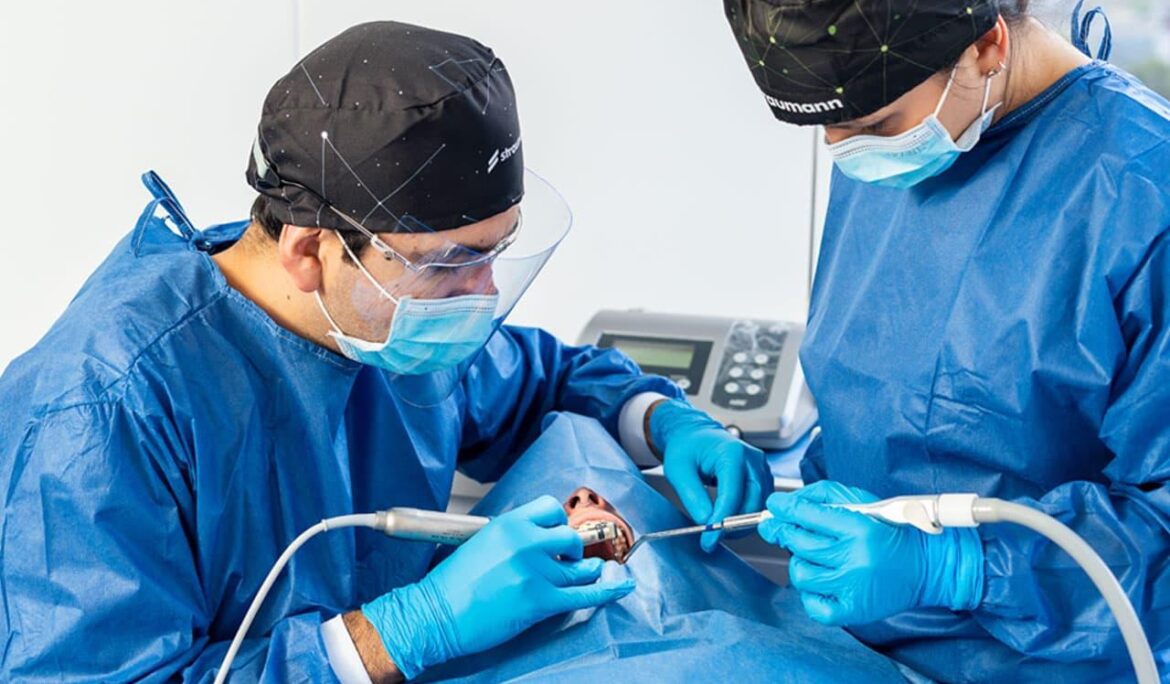
Quality hands-on dental training in India for foreign dentists combines lectures, live demonstrations and supervised practice. Typically you work on models, simulators or cadaver-style setups before any patient exposure. Any clinical work on patients must follow Indian rules, so ask exactly what you will be allowed to do. A clear answer is a sign of a well-run program.
Small Groups Mean Real Attention
A mentor with three or four trainees can correct your technique in the moment. A mentor with twenty cannot. Ask about batch size before you pay anything, and request a sample schedule. Small groups also create better discussion and stronger professional networks.
Digital Workflows Matter Now
Modern practice relies on intraoral scanners, guided surgery and CAD/CAM planning. A course that ignores digital tools may leave you behind when you return home. Look for programs that show the full chain from scan to final restoration. That shows how the workflow fits into a real clinic day.
Cost, Duration and Travel Planning
Know What Your Fee Includes
Course fees vary by subject, length and mentor level. Ask whether materials, models, certificates and lunch are included. Some academies charge a booking amount and collect the balance at the start of training. Read the refund policy carefully, because registration fees are often non-refundable.
Visa and Paperwork Basics
Visa rules depend on your nationality and the type of training, so check with the nearest Indian embassy or consulate. Do not rely only on an academy’s advice for this. Carry your dental registration proof, an invitation letter and your travel insurance. Apply early, because processing times can change.
Where to Stay and How to Move Around
Most dentists choose accommodation close to the training centre to save time. Mohali and Chandigarh are known for being well planned, relatively calm and easy to navigate. Ride apps and airport transfers are widely available. Ask the academy for hotel suggestions near the clinic.
Canadian Dentists: Is an Indian Course Worth It?
For Canadian dentists, an Indian course is a way to build clinical skills, not to qualify for a license. Licensing in Canada runs through provincial regulators and the National Dental Examining Board of Canada (NDEB). If you trained outside Canada and want to practise there, check the NDEB equivalency process directly. Always confirm current requirements on the official website, because they change.
Who Benefits Most From Training in India
Licensed Canadian dentists who want focused, affordable implant or cosmetic training often find the trip worthwhile. Foreign-trained dentists preparing for NDEB exams may use short courses to refresh hands-on skills. Either way, keep your certificate and a log of the procedures you practised. Some employers and study groups appreciate that detail.
How to Choose the Right Academy
Start by asking who the mentors are and how long they have practised. Request the full syllabus, the batch size and the exact mix of theory and practice. Confirm what the certificate does and does not represent. Finally, read reviews from past international participants, not only local ones.
Red Flags to Avoid
Be careful with promises such as guaranteed licensing, guaranteed jobs or unrealistic discounts. A trustworthy academy explains limits clearly and answers questions without pressure. If you feel rushed to pay, pause and compare other options. Good training should survive a few tough questions.
Frequently Asked Questions
1. Can foreign dentists practise in India after a course?
No. A short course does not grant registration or a practising license in India. Dentists who want to work independently must meet the rules of the Dental Council of India and the relevant authorities. Training programs are meant for skill development only.
2. Is a dental certificate course in India valid in Canada?
It is not a licensing qualification in Canada. It can still count as continuing education and show added skills, depending on your regulator’s rules. Check with your provincial dental regulatory authority before relying on it.
3. How long are dental courses in India for international dentists?
Duration ranges from a few days to several weeks, with longer mentorship options in some programs. The right length depends on the subject and your current experience. Ask for a day-by-day schedule before enrolling.
4. Which dental course is most popular among foreign dentists?
Dental implantology, including full-arch rehabilitation, is usually the top choice. Smile design, veneers and laser-assisted endodontics also draw strong interest. Choose the subject that matches the treatments your clinic already offers.
5. What is the average cost of hands-on dental training in India for foreign dentists?
Fees vary widely by course type and duration. Compare the total package, including materials, certificate and any extras. Ask for a written breakdown so you can plan travel and stay costs.
6. Do I need a visa to attend dental training in India?
Most foreign nationals do need a visa. The right category depends on your country and training format, so confirm with the Indian mission in your country. Apply well before your planned travel date.
7. Can I treat real patients during the course?
This depends on the academy and on Indian regulations. Many programs use models and supervised demonstrations, and some offer observation of live cases. Ask for written clarity on your role before you book.
Why Dentists Trust Esthetica Advanced Dental Academy
Esthetica Advanced Dental Academy offers clinical training in implant dentistry, including full-arch rehabilitation, digital planning and prosthetic workflows, with small groups and case-based discussion. Its programs are made for continuing professional development, and the academy states that its certificate shows participation rather than a statutory qualification. Dentists from India and abroad can explore the course list, compare formats and ask questions before enrolling. To learn about current batches, contact the academy directly and request the latest schedule.