









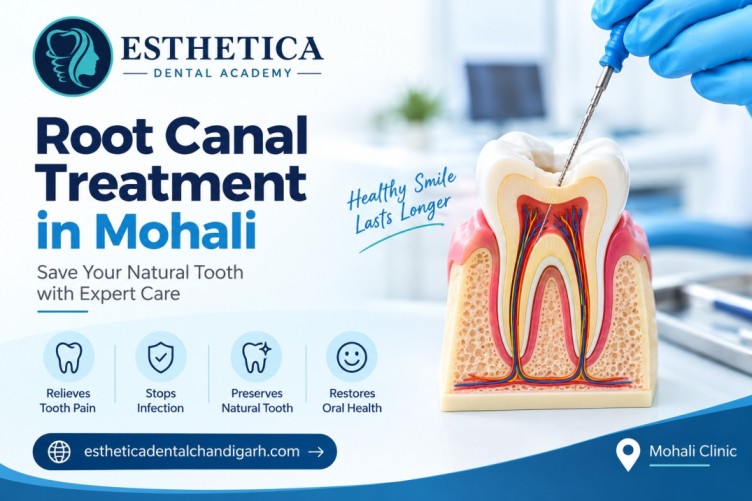
Root Canal Dentist in Mohali for Expert Dental Care
Tooth pain can make even simple daily activities uncomfortable. Eating, drinking, sleeping, or enjoying your favourite food may become difficult when a tooth has a deep infection. Finding a trusted Root Canal Dentist in Mohali can help you understand the cause of your pain and choose the right treatment to protect your natural tooth. Root canal treatment is commonly recommended when the soft inner part of a tooth becomes infected or inflamed due to deep decay, cracks, trauma, or repeated dental procedures.
Why Choosing the Right Root Canal Dentist Matters
A root canal is more than simply removing the infected part of a tooth. The dentist needs to carefully examine the tooth, identify the source of the infection, clean the root canal system, and seal it properly. A detailed examination helps the dentist decide whether root canal treatment is appropriate and what type of restoration may be needed afterwards.
Choosing an experienced dental professional can also make the overall treatment experience more comfortable. A good dentist will explain the procedure, discuss your concerns, answer your questions, and create a treatment plan based on your individual dental needs rather than using the same approach for every patient.
What Is Root Canal Treatment?
Root canal treatment is a dental procedure used to save a tooth that has an infected or damaged pulp. The pulp contains nerves and blood vessels inside the tooth. When bacteria reach this area, infection can develop and may cause pain, sensitivity or swelling.
During treatment, the dentist carefully accesses the inside of the tooth, removes infected tissue, cleans and disinfects the canals, and seals them to help prevent further infection. The tooth may then require a filling or crown to restore its strength and function. The main goal is to preserve the natural tooth whenever possible.
Signs You May Need a Root Canal
Not every toothache means you need a root canal. However, certain symptoms can indicate that the pulp may be infected or damaged. Recognising these signs early can help you seek professional care before the problem becomes more serious.
Common warning signs include:
- Persistent or severe toothache
- Sensitivity to hot or cold that continues after the source is removed
- Pain when biting or chewing
- Swelling around the affected tooth
- Tender or swollen gums
- A small pimple-like bump on the gums
- Darkening or discolouration of a tooth
- Pain that interferes with sleep or everyday activities
If you experience these symptoms, a dental examination is important. The dentist may use clinical examination and dental imaging to understand what is happening beneath the tooth surface.
When Is Root Canal Treatment Recommended?
A root canal may be recommended when the dental pulp becomes infected or severely inflamed. Deep untreated decay is one of the common causes, because bacteria can gradually travel through the tooth and reach the pulp.
A cracked or damaged tooth can also allow bacteria to enter deeper structures. Dental trauma may sometimes damage the pulp even when the tooth does not immediately appear badly broken. In some situations, repeated dental procedures on the same tooth can also affect the pulp.
The decision should always be made after an individual examination. Your dentist can assess the tooth and explain whether root canal treatment, another restorative procedure, or extraction is more appropriate.
What Happens During a Root Canal?
Many patients feel nervous when they hear the words “root canal.” Modern dentistry, however, focuses strongly on patient comfort and effective pain management. The procedure generally involves several important stages.
Initial Dental Examination
The dentist first examines the tooth and asks about your symptoms. Dental X-rays or other imaging may be used to understand the roots and identify the extent of infection.
Local Anaesthesia
Local anaesthesia is used to numb the treatment area. This helps reduce discomfort during the procedure and allows the dentist to work carefully on the affected tooth.
Removing the Infection
A small opening is made in the tooth to access the infected pulp. The damaged tissue is removed, and the root canals are carefully cleaned.
Cleaning and Disinfection
The canals are shaped and disinfected to remove bacteria and debris. Proper cleaning is an important part of reducing the possibility of continued infection.
Sealing the Tooth
After cleaning, the canals are sealed with suitable dental material. The tooth is then restored according to its condition.
Final Restoration
Depending on how much tooth structure remains, the dentist may recommend a filling or dental crown. A crown can provide additional protection for a tooth that has become weakened after extensive decay or treatment.
Root Canal Treatment in Mohali for Comfortable Dental Care
Patients often delay treatment because they believe a root canal will be painful. This fear can sometimes allow an infection to become worse. Modern dental techniques are designed to make treatment more comfortable while allowing the dentist to work precisely.
Root Canal Treatment in Mohali may be completed in one or more appointments depending on factors such as the condition of the tooth, the complexity of the root canals, and the presence of infection. Some cases may be suitable for single-visit treatment, while more complicated cases may require additional appointments.
The important thing is not simply how quickly treatment is completed. The priority should be thorough cleaning, appropriate sealing, proper restoration, and long-term protection of the tooth.
Benefits of Saving Your Natural Tooth
When a natural tooth can be successfully treated, preserving it can provide several advantages. A natural tooth can continue to support normal chewing and help maintain the natural arrangement of neighbouring teeth.
Removing a tooth creates a space that may later require replacement with an implant, bridge, or another dental restoration. Saving the tooth through root canal treatment may therefore help avoid the need for extraction when the tooth is suitable for treatment.
Your dentist can explain the condition of your tooth and help you understand the advantages and limitations of each available option.
What Is a Laser Assisted Root Canal?
Laser-assisted root canal therapy is an advanced approach that can support cleaning and disinfection of the root canal system. Dental lasers may be used alongside conventional root canal techniques to target infected tissue and improve disinfection.
The Esthetica website describes laser-assisted root canal treatment as an option intended to improve precision, cleaning and patient comfort. It also notes that treatment suitability depends on the individual case.
Laser technology does not mean that every patient requires laser treatment. Your dentist should first assess your tooth and explain whether this approach is appropriate for your condition.
How to Choose the Best Root Canal Dentist in Mohali
Searching online for the Best Root Canal Dentist in Mohali can produce many results. Instead of choosing a dentist based only on advertisements or rankings, patients should consider several practical factors.
Experience and Clinical Knowledge
Look for a dental professional with relevant experience in root canal procedures and restorative dentistry. Experience can be particularly important when a tooth has unusual root anatomy or a complicated infection.
Modern Diagnostic Technology
Accurate diagnosis is essential for successful dental treatment. Clinics using modern imaging and treatment technology may be better equipped to assess complex dental conditions.
Clear Treatment Explanation
A good dentist should explain what is wrong, what treatment is recommended, how many appointments may be needed, and what restoration may be required afterwards.
Patient Comfort
Dental anxiety is common. A patient-friendly clinic should listen to your concerns and explain each stage of treatment in straightforward language.
Hygiene and Safety
Proper sterilisation and infection-control procedures are essential for every dental procedure. Patients should feel comfortable asking the clinic about its hygiene and safety protocols.
What Makes a Good Root Canal Specialist?
A Root Canal Specialist in Mohali should combine technical knowledge with careful diagnosis and patient communication. Root canal cases can vary significantly from one tooth to another, so treatment needs to be planned according to the patient’s individual condition.
A specialist or dentist with advanced experience in endodontic procedures may be particularly helpful for complex cases. These may include previously treated teeth, unusual root anatomy, persistent infection, or teeth with significant structural damage.
The dentist should also know when root canal treatment is not the best option. Honest advice is an important part of quality dental care.
How to Prepare for Your Root Canal Appointment
Preparing for a dental appointment can help make the experience easier. Before your visit, write down any symptoms you have noticed and how long they have been present. Tell your dentist if you have experienced swelling, fever, sensitivity, or pain while chewing.
You should also provide information about any medicines or significant dental history that may be relevant to your treatment. Do not take antibiotics or pain medication without appropriate professional advice.
If dental anxiety is a concern, tell the dental team before treatment begins. Discussing your concerns early can help the dentist plan a more comfortable experience.
What to Expect After Root Canal Treatment
Some tenderness may occur after root canal treatment, particularly when biting or chewing. This can happen as the tissues around the treated tooth recover. Your dentist will provide specific aftercare instructions based on your treatment.
Avoid chewing hard foods on the treated tooth until your dentist confirms that it is ready for normal use, especially if the final restoration has not yet been placed.
Maintaining good oral hygiene remains important. Brush twice daily, clean between your teeth, and attend regular dental check-ups. A root canal-treated tooth can function for many years when it is properly restored and cared for.
Can a Root Canal Prevent Tooth Extraction?
In many suitable cases, root canal treatment is performed specifically to save a natural tooth that would otherwise potentially need extraction. By removing the infected pulp, cleaning the canals and sealing the tooth, the dentist can preserve the remaining tooth structure.
However, not every tooth can be saved. Severe cracks, extensive structural damage, or other clinical factors may make extraction a more suitable option. Your dentist should assess the tooth before recommending treatment.
Root Canal Treatment for Patients Visiting from Canada
Patients living in Canada or other countries who plan dental treatment during a visit to India may want to organise their dental appointments in advance. Before travelling, it is useful to share previous dental X-rays, treatment records, and information about any ongoing symptoms with the dental team when possible.
Patients should also allow enough time for diagnosis, treatment, restoration, and any required follow-up. Dental treatment plans should be based on an individual clinical examination rather than a general online estimate.
For international patients, clear communication about appointments, treatment stages, expected recovery, and follow-up can make the experience easier to manage.
How Much Does Root Canal Treatment Cost in Mohali?
The cost of root canal treatment can vary depending on several factors. These may include the tooth being treated, the complexity of the root canals, the type of restoration required, the technology used, and whether additional procedures are necessary.
A front tooth may have different treatment requirements from a molar because molars generally have more complex root canal systems. A crown may also add to the overall treatment cost when additional protection is recommended.
For an accurate estimate, patients should schedule a dental examination and discuss the complete treatment plan with the dentist rather than relying only on general online prices.
Why You Should Not Delay Root Canal Treatment
Tooth infections usually do not resolve simply because the pain temporarily disappears. In some cases, pain may reduce even though infection remains. Delaying treatment can allow the problem to progress and may increase the complexity of future dental care.
If you have persistent tooth pain, swelling, sensitivity or discomfort while chewing, arrange a dental examination. Early professional assessment can help determine the cause and identify the most appropriate treatment.
Final Thoughts
Choosing a Root Canal Dentist in Mohali is an important decision when you want to preserve a natural tooth affected by infection or deep damage. A careful diagnosis, modern treatment techniques, good infection control, personalised care and proper follow-up all contribute to a positive dental experience.
If you are experiencing persistent tooth pain or have been advised that you may need root canal treatment, do not ignore the symptoms. A professional examination can help you understand your options and decide on the right next step.
At Esthetica Dental Clinic, patients can access root canal and laser-assisted root canal services in a patient-focused dental setting in Mohali. The clinic states that it uses modern dental technology and provides personalised treatment planning for individual patients.
Frequently Asked Questions
1. How do I know if I need a root canal?
Persistent tooth pain, prolonged hot or cold sensitivity, pain while chewing, swelling, gum tenderness, or a pimple-like bump near the tooth can be warning signs. A dentist must examine the tooth to confirm whether root canal treatment is needed.
2. Is root canal treatment painful?
Modern root canal treatment is performed with local anaesthesia to keep the treatment area numb. Some tenderness may occur afterwards, but your dentist can provide appropriate aftercare guidance.
3. How long does a root canal take?
Treatment time depends on the tooth and the complexity of the case. Some root canals can be completed in a single visit, while other cases may require multiple appointments.
4. Can a root canal save my natural tooth?
Yes, root canal treatment is designed to remove infection from inside the tooth while preserving the remaining natural tooth structure when the tooth is suitable for treatment.
5. What happens if I do not treat an infected tooth?
An untreated dental infection may become more serious and can damage surrounding tissues. It may also eventually make saving the tooth more difficult. Professional assessment is recommended when symptoms persist.
6. Is laser assisted root canal treatment suitable for everyone?
Laser-assisted treatment may be useful in selected cases, but treatment should be recommended after an individual dental assessment. The dentist can explain whether laser technology is appropriate for your tooth.
7. Can patients from Canada get root canal treatment in Mohali?
Patients travelling from Canada can arrange a dental consultation in Mohali, but they should plan enough time for examination, treatment, final restoration and any required follow-up. Previous dental records and X-rays can also help the dentist understand the treatment history.