




The modern dental landscape is evolving rapidly, moving away from purely restorative care toward highly desired, transformation-focused aesthetic dentistry. For many professionals, the decision to transition from a general dentist to a specialized aesthetic practice is not just a career choice; it is an investment in professional satisfaction, patient impact, and long-term business growth. This guide outlines the essential steps to master this pivot and position yourself as a leader in the competitive aesthetic market.
The Paradigm Shift: Why Specialization Matters in 2026
General dentistry serves the vital function of maintaining oral health, addressing pain, and managing functional requirements. However, the patient of 2026 is increasingly seeking a higher level of service: the “smile makeover.” When you decide to transition from a general dentist to a specialized aesthetic practice, you are fundamentally changing your clinical philosophy.
You are no longer just a doctor who repairs teeth; you are an architect of smiles. This transition allows you to move away from the “insurance-driven” model of care, where volume is prioritized over complexity, and into a “results-driven” model. This change often leads to higher case acceptance rates, improved patient retention, and a more fulfilling daily workflow where you get to craft art with science.
How Esthetica Dental Accelerates Your Transition
Understanding the what and why of this transition is the first step, but bridging the gap from theory to clinical reality is where most dentists get stuck. Esthetica Dental is specifically designed to handle that bridge for you:
Hands-on Patient Mentorship: We eliminate the “lecture-only” bottleneck. You learn by performing procedures on real patients under the direct, expert supervision of our specialists, ensuring you gain true clinical confidence.
Specialized Fellowship Programs: Our curricula are crafted to turn generalists into experts. We combine traditional dental aesthetics like veneers and smile design with advanced facial aesthetics, giving you a competitive edge.
Business and Case Management: Technical skill is only half the battle. We teach you how to conduct high-value consultations, manage patient expectations, and build a premium practice that attracts the right kind of cases.
Digital Workflow Mastery: We provide hands-on training with the latest intraoral scanners and digital smile design software, ensuring you leave our facility ready to operate a modern, high-tech clinic.
Step 1: Mastering the Digital Workflow
The foundation of modern aesthetics is precision. To successfully transition from a general dentist to a specialized aesthetic practice, you must embrace the digital era. General dentistry can often be performed with traditional impressions, but aesthetic dentistry demands the accuracy of digital technology.
Intraoral Scanners: These are no longer optional. They provide the accuracy needed for veneers, crowns, and complex restorative planning.
Smile Design Software: Being able to show a patient a 3D visualization of their future smile is the most effective tool for “closing” a consultation.
Digital Integration: Ensure your office equipment communicates seamlessly to reduce the margin for error.
Step 2: The Importance of Clinical Technique
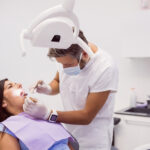
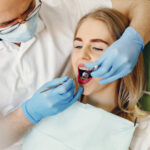
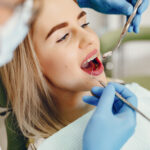
Aesthetics requires a higher level of precision than routine fillings. When you begin to transition from a general dentist to a specialized aesthetic practice, your hands-on training becomes your most valuable asset. Aesthetic dentistry requires deep knowledge of:
Veneer Preparation: Mastering minimal-prep techniques to preserve healthy tooth structure while achieving optimal shade and form.
Vertical Dimension Management: Understanding how to open or maintain the bite for patients showing signs of wear.
Gingival Aesthetics: Learning to contour soft tissue to frame the teeth perfectly.
Pro-Tip: Don’t just learn the theory. Seek out supervised, patient-based programs where you can practice these techniques in a safe, mentored environment.
Step 3: Marketing and Patient Education
Many dentists fear the transition from a general dentist to a specialized aesthetic practice because they worry about losing their existing patient base. The reality is that your existing patients are the best place to start.
The Power of the Portfolio: Start an aggressive “Before & After” photo gallery. These photos are the “social proof” that new patients need to trust you.
Educational Authority: Your website should function as a resource center. Use content to explain the “why” behind aesthetic procedures.
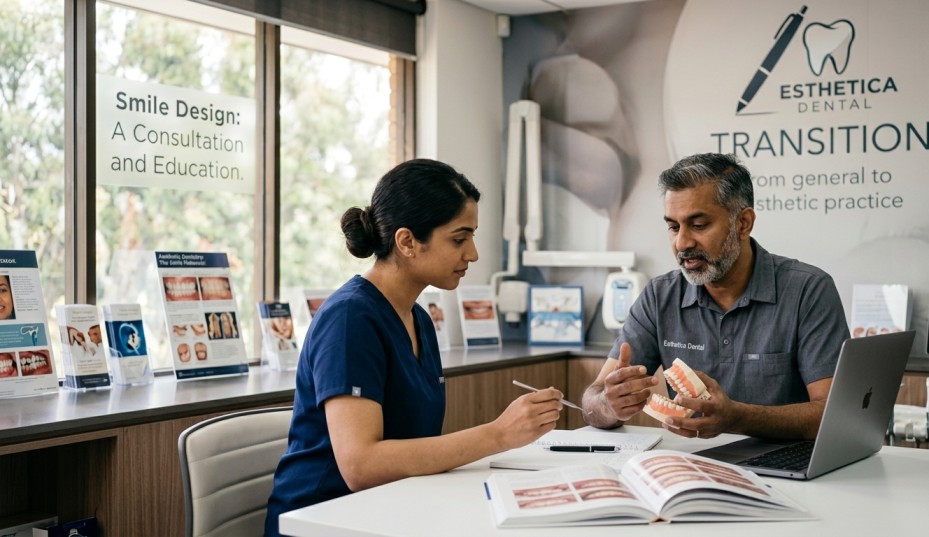
The Aesthetic Consultation: Move away from 10-minute chairside checks. Use the consultation to listen to desires, analyze facial structure, and present a comprehensive plan.
Frequently Asked Questions (FAQ)
1. Is it too late to pivot to aesthetics? It is never too late. The demand for cosmetic procedures is higher than ever, and patients are actively searching for experts who can combine health with beauty.
2. How do I balance general and aesthetic dentistry? The most effective way is to dedicate specific “aesthetic slots” in your weekly schedule. As your demand grows, you can gradually shift your calendar toward more aesthetic cases.
3. What is the most important skill for a transitioning dentist? It is communication. You must learn to articulate the value of your work so patients see it as an investment in their confidence.
4. How can I justify the cost of new equipment? Calculate your “return on chair time.” A single smile makeover case often generates the same revenue as multiple weeks of routine hygiene, making the ROI on digital tech very high.
Conclusion
The journey to transition from a general dentist to a specialized aesthetic practice is a commitment to excellence. It requires you to step out of your comfort zone, invest in yourself through advanced training, and elevate the standard of care you provide. Whether you are seeking mentorship or specialized clinical training, Esthetica Dental is your partner in this transformation. Start your journey today, and position your practice for a decade of growth.