





Personalized Smile Design for a Natural Looking Smile
A smile can influence confidence, connection, and comfort in everyday moments. Personalized smile design focuses on creating a smile that suits the individual rather than producing the same bright appearance for everyone. It considers facial features, natural teeth, gums, bite, lifestyle, and personal expectations to develop a treatment plan that feels appropriate and realistic.
The Rise of Personalized Smile Design
Your smile should enhance you, not someone else
More patients are looking for cosmetic dentistry that looks natural instead of artificial. Personalized planning helps the dentist understand what a patient likes, what they would like to change, and which improvements are suitable for their oral health.
A natural smile design may involve a small improvement rather than a complete transformation. Depending on individual needs, treatment can include cleaning, whitening, bonding, veneers, orthodontics, gum contouring, or restorative dentistry. The aim is to choose treatments that provide meaningful improvement.
What Makes a Smile Look Natural?
Beauty comes from proportion and harmony
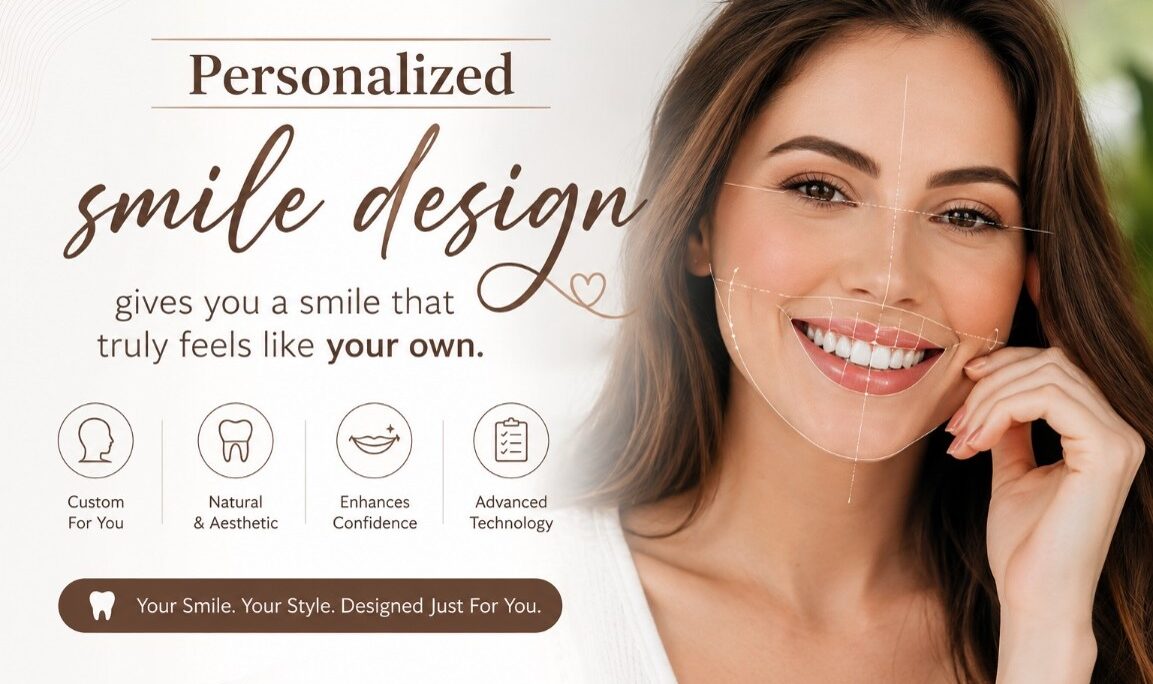
A natural-looking smile is not necessarily defined by extremely white or perfectly identical teeth. Tooth length, width, shape, symmetry, spacing, gum levels, and the relationship between upper and lower teeth can all influence the final appearance.
The lips and facial expressions also matter. Teeth may look different when a person smiles, speaks, laughs, or relaxes. During smile designing, these details can be considered so the result works naturally with facial movement.
Digital Planning Makes Smile Design Easier to Visualize
See the possibilities before making a decision
Modern technology has changed how cosmetic dental treatment can be planned and discussed. Digital photographs, scans, shade assessment, and computer-based planning can help dentists study the smile and communicate possible treatment outcomes more clearly.
What Cosmetic Treatments Can Be Part of a Smile Makeover?
There is no one-size-fits-all cosmetic solution
A smile makeover can involve one treatment or several procedures, depending on the patient’s concerns. Whitening may improve tooth colour, while bonding can repair small chips, close selected spaces, or improve minor imperfections. Veneers may be considered when changes in tooth shape, colour, or proportion are needed.
Veneers are popular because thin restorations can create significant aesthetic changes, but they are not necessary for every smile transformation. Orthodontics can improve alignment, gum contouring may help when uneven gum levels affect appearance, and cleaning can sometimes provide noticeable improvement without extensive treatment.
Why Does the Face Play a Role in Smile Design?
The best smile complements your unique appearance
Teeth should complement the face rather than appear out of proportion. Facial width, jaw shape, lip position, age, and overall proportions can influence how tooth size and shape are perceived.
Shade: A Fresh Smile Does Not Always Mean a Bright Smile
Natural colour can create a balanced appearance
Tooth shade is important, but the brightest possible shade is not always the most suitable choice. The selected shade should complement the complexion, facial features, surrounding teeth, and overall treatment plan.
Healthy Gums Are an Important Part of an Attractive Smile
A beautiful result starts with oral health
Healthy gums are essential for an attractive and comfortable smile. Gum inflammation, recession, uneven gum levels, or poorly positioned restorations can affect the balance of the smile. Where appropriate, periodontal care or gum contouring may become part of the plan.
Before cosmetic treatment begins, concerns such as decay, infection, or gum disease should be addressed. Healthy teeth and gums support comfort, predictable treatment, and better long-term maintenance. Cosmetic dentistry should always be planned around oral health and function.
Who Can Benefit From Personalized Smile Design?
Small changes can sometimes make a big difference
Personalized smile design may benefit people concerned about staining, chipped teeth, worn edges, spacing, minor misalignment, uneven teeth, or tooth shape. It can also help people who feel their smile does not complement their facial appearance.
Not everyone needs an extensive makeover. Whitening, bonding, cleaning, orthodontic correction, or another conservative approach may be enough. An assessment with Esthetica Dental Services can help identify realistic options and determine which approach suits the patient’s needs and goals.
What Should You Discuss With Your Dentist?
Your concerns and preferences matter
Good cosmetic treatment begins with honest communication. Patients should explain what they like about their smile, what they would like to change, and whether they prefer subtle improvement or a more noticeable transformation.
It is also important to discuss oral health, bite, maintenance, treatment time, budget, expectations, and practical limitations. A good plan should balance personal preferences with clinical suitability. The goal is not simply an attractive smile, but one that is healthy, functional, comfortable, maintainable, and appropriate for the individual.
Smile Design for Patients Coming From Canadas
Planning ahead can make treatment smoother
Patients travelling from Canada to Chandigarh for cosmetic dental care should consider more than the quoted treatment cost. Qualifications, clinical experience, technology, hygiene, communication, treatment planning, and aftercare can all influence the experience.
International patients should allow enough time for consultation, procedures, healing, and follow-up appointments. Sharing dental records, photographs, previous treatment information, and smile goals before travelling can help the dental team understand the case and organize appointments efficiently.
FAQs
1. What is personalized smile design?
It is an approach that considers facial features, tooth proportions, gums, oral health, and personal goals when planning cosmetic improvements.
2. Is smile designing suitable for everyone?
Suitability depends on oral health, tooth structure, gum condition, bite, expectations, and the type of improvement being considered.
3. How long does a smile makeover take?
Treatment may take one visit for some procedures or several visits for veneers, orthodontics, healing, or combined treatments.
4. Can a smile design look natural?
Yes. Careful planning of tooth shape, colour, proportion, gum levels, and facial harmony can support a natural-looking result.
5. What is digital smile design?
Digital smile design uses photographs, scans, measurements, and digital planning to study the smile and communicate possible treatment options.
6. Are veneers necessary for every smile makeover?
No. Whitening, bonding, orthodontics, gum treatment, cleaning, or restorative care may be more suitable for some patients.
7. How can I maintain my new smile?
Regular dental checkups, daily brushing and flossing, professional cleaning, and following the dentist’s advice can help preserve the result.
A Smile Designed Around the Right Factors
The most successful cosmetic treatment is not always the most dramatic. A well-planned smile should create a balanced appearance, feel comfortable, support good function, and fit naturally within the face. Personalized smile design brings together assessment to work toward that goal.
For patients choosing Esthetica Dental Services, the process can begin with understanding their needs rather than immediately selecting a procedure. Whether the goal is subtle improvement or a complete smile transformation, treatment should be based on realistic expectations and sound dental planning.
Esthetica Dental Services can help patients exploring cosmetic dental treatment in Chandigarh, including those travelling from Canada, understand available options. A consultation can identify suitable treatments, explain the process, and create a plan around individual dental needs, aesthetic preferences, and long-term oral health.
Ultimately, personalized smile design is about more than changing teeth. It is about creating a smile that feels natural, supports confidence, and looks right for the person wearing it.