







International Dental Patient Management Training for Dentists
International patients bring different treatment histories, expectations, communication styles, and travel schedules. For dentists, providing quality clinical care is only one part of a successful experience. Managing consultations, explaining treatment options, organizing appointments, preparing documents, and providing post-treatment support are equally important.
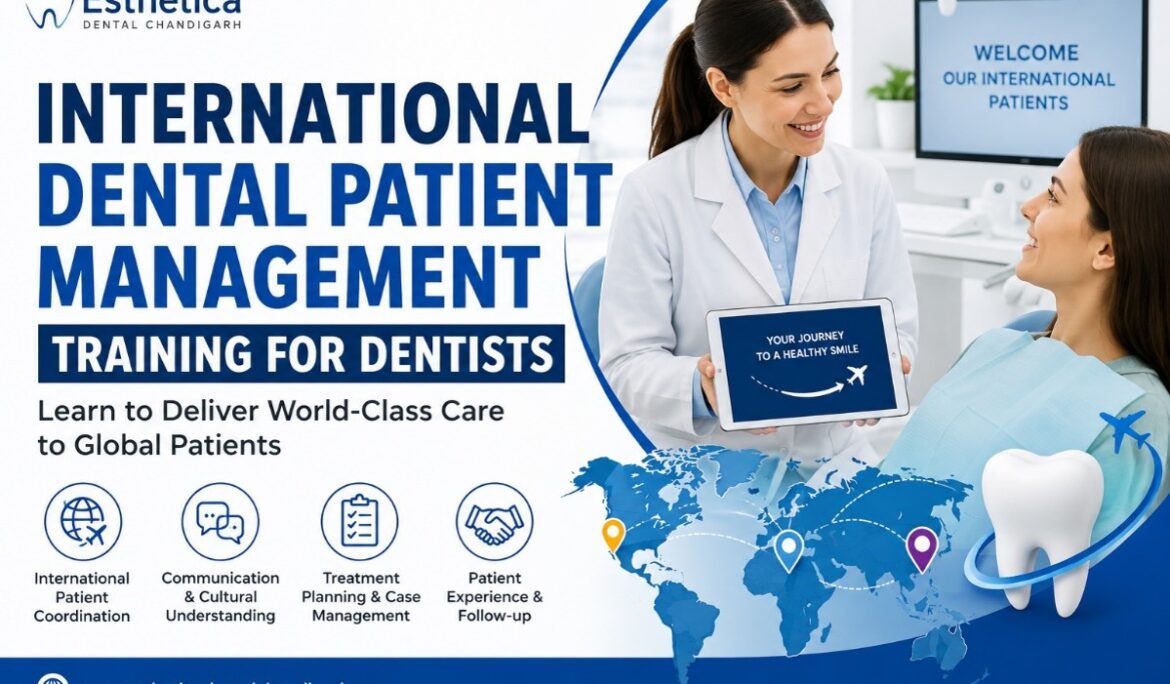
International Dental Patient Management Training for Dentists helps dental professionals develop practical skills for managing overseas patients confidently. The training focuses on communication, coordination, documentation, scheduling, treatment planning, and follow-up while keeping patient needs at the center.
Why International Patient Management Skills Matter
International patients may have concerns about costs, procedures, treatment duration, recovery, and expected results. Clear communication reduces uncertainty and helps patients understand their options. Explaining estimates, timelines, alternatives, and follow-up requirements in simple language creates transparency and strengthens trust.
Strong dental patient communication skills are especially useful when working with people from different countries. Language differences, cultural expectations, previous healthcare experiences, and unfamiliar systems can influence how patients understand treatment.
Understand the Complete Patient Journey
The international patient experience starts before the first appointment. Patients may share photographs, radiographs, previous dental records, medical information, and treatment requests. They may also ask about travel, appointments, recovery, and treatment stages.
Esthetica Dental Tourism recognizes that effective care requires coordination throughout this journey. International patient management training connects initial communication with consultation, diagnosis, treatment planning, scheduling, treatment delivery, discharge guidance, and follow-up. Viewing the process as one journey can improve organization and patient satisfaction.
How to Plan Treatment for Overseas Patients
International dental treatment planning should reflect the patient’s clinical condition and personal circumstances. A patient traveling from Canada, for example, may have limited time and want to know which procedures can be completed during one trip and which require additional appointments.
A detailed treatment plan should explain procedures, stages, estimated timing, alternatives, and factors that could change the plan. Dentists should avoid guaranteeing outcomes or timelines that cannot be confirmed before clinical assessment. Honest planning helps patients make informed decisions.
Set Realistic Expectations
International patients often compare clinics based on expertise, technology, costs, reviews, and convenience.
Dental tourism training for dentists can help professionals manage these expectations responsibly. Instead of presenting a standard solution, dentists should explain personalized options, benefits, limitations, risks, and possible changes. This is particularly important for implants, cosmetic dentistry, full-mouth rehabilitation, and complex procedures.
Respect Cultural Differences
Patients traveling for treatment may come from different cultural and social backgrounds.
Cultural awareness helps create a comfortable experience. Dentists should remain respectful, attentive, patient, and flexible.
How to Organize Documentation and Coordination
Accurate documentation is essential for overseas dental patient care. International cases may involve photographs, scans, radiographs, medical histories, treatment plans, consent forms, prescriptions, invoices, and post-care instructions. Keeping these records organized helps the dental team work efficiently.
Cross-border dental care may also require communication with laboratories, specialists, or the patient’s dentist at home.
How to Coordinate Appointments
Traveling patients often arrange flights and accommodation around dental appointments. They may want to complete as much treatment as practical during one trip. However, efficient scheduling should never mean rushing clinical decisions or ignoring recovery requirements.
Dentists can divide complex treatment into manageable stages and allow suitable time for diagnosis, procedures, healing, and review.
How Should Dentists Discuss Treatment Costs?
Cost is an important consideration for international patients, but treatment decisions should not depend only on the lowest quote. Dentists should explain what is included and identify factors such as materials, laboratory procedures, technology, appointments, and additional clinical requirements.
A dental tourism course can help dentists develop a professional approach to financial communication. This creates clearer expectations and supports informed treatment decisions.
How to Provide Effective Post-Treatment Support
International patients may return home soon after treatment, so post-care planning is important. Before departure, dentists should provide understandable instructions covering medication, oral hygiene, diet, recovery, warning signs, and recommended follow-up.
Follow-up reassures patients after they return home.
What Skills Can Dentists Develop Through This Training?
International patient management training focuses on skills that support successful care. Dentists can strengthen consultation communication, treatment presentation, appointment planning, documentation, expectation management, and follow-up processes.
These abilities are useful for patients from Canada, the United States, the United Kingdom, Australia, and other countries.
Strengthen Your International Patient Care Approach
Managing international patients successfully requires more than clinical expertise. It involves understanding the complete journey and making each stage clear, organized, and responsive.
International Dental Patient Management Training for Dentists provides a structured approach to these responsibilities. With stronger communication, international dental treatment planning, careful coordination, and appropriate follow-up, dentists can create a professional experience that supports confidence and satisfaction in care.
Develop Expertise for Global Dental Care
Dentists who want to serve international patients need clinical knowledge along with practical management skills. Learning to communicate clearly, organize records, coordinate schedules, discuss costs, understand cultural expectations, and plan post-treatment care can make international cases easier to manage.
Esthetica Dental Tourism supports a patient-focused approach where communication and coordination complement clinical care. For professionals interested in dental tourism, developing these skills can help create a smoother experience for patients traveling far from home.
A Message from Dr. Sharad Arya, Founder – Esthetica Dental Academy
When I started Esthetica Dental Clinic in 2012, my vision was simple — to combine clinical excellence with genuine patient care. Over the years, as our practice grew across Punjab, Himachal, and Chandigarh, I realized that the biggest gap in Indian dentistry wasn’t a lack of talent, but a lack of accessible, hands-on implant training for practicing dentists.
That’s why we built Esthetica Dental Academy — not as another certificate mill, but as a mentorship-driven program where dentists actually work on live cases, under supervision, until they’re confident enough to do it on their own. I’ve seen BDS graduates walk in unsure of their surgical skills and walk out ready to plan and execute full-arch implant cases independently.
If you’re serious about growing your implant practice, I’d encourage you to invest in training that prioritizes real clinical exposure over theory alone. That’s the philosophy behind everything we teach here.
— Prof. Dr. Sharad Arya, MDS
Every batch we train is small by design, because implant surgery demands individual attention, not a classroom of fifty watching a screen. Whether it’s digital implant planning, guided surgery, or full-arch rehabilitation, we make sure every participant leaves confident enough to apply it in their own practice.
FAQs
1. What is international dental patient management training?
It teaches dentists how to communicate, coordinate, document, plan, schedule, and support patients who travel internationally for dental treatment.
2. Why is international patient management important for dentists?
It helps dentists manage expectations, organize treatment efficiently, communicate clearly, and provide better continuity of care.
3. Can dentists learn to manage patients from Canada?
Yes. The training can help dentists understand communication, scheduling, documentation, and follow-up considerations for Canadian patients.
4. What skills are included in dental tourism training?
It commonly covers communication, treatment coordination, expectation management, scheduling, documentation, cost discussions, and post-treatment support.
5. Does this training replace clinical dental education?
No. It complements clinical knowledge by strengthening communication and management skills for international patient care.
6. How can dentists improve communication with overseas patients?
Use simple language, explain options clearly, confirm understanding, provide written instructions, and encourage questions.
7. How can a clinic provide better care for international patients?
Use organized records, personalized treatment plans, realistic scheduling, transparent communication, clear instructions, and reliable follow-up.
Prepare for a Better International Patient Experience
International dental care works best when clinical expertise is supported by thoughtful communication and organized coordination. International Dental Patient Management Training for Dentists can help professionals approach overseas cases with greater confidence and consistency.
Esthetica Dental Tourism encourages a patient-centered approach built around clarity, preparation, respect, and continued support.