


General Dentistry Clinical Training for Fresh BDS Dentists –
Starting clinical practice after completing Bachelor of Dental Surgery (BDS) can feel intimidating because applying theoretical knowledge in real situations is different from studying in dental school. Fresh graduates may understand treatment principles but still need experience to develop confidence, communication skills, clinical judgment, and treatment-planning abilities. General Dentistry Clinical Training for Fresh BDS Dentists is designed to strengthen these practical areas through exposure to restorative dentistry, endodontics, oral surgery, prosthodontics, periodontics, and live-patient clinical practice.
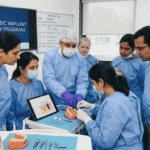
A well-planned clinical training program helps fresh BDS dentists understand how different dental procedures are approached in real practice. Instead of focusing on one specialty, general dentistry training provides broader exposure and helps participants develop a practical foundation for everyday dental care. With supervision, case discussions, demonstrations, and guided clinical experience, dentists can gradually become more comfortable with patient assessment and treatment.
Why Clinical Training Matters After BDS
Graduating from dental school is an important milestone, but clinical confidence develops with supervised experience. Fresh dentists may need additional guidance when managing patients independently, especially when one patient requires several procedures. Clinical training allows graduates to revise important concepts while applying them in practical situations.
A good training program should develop patient assessment, investigation, communication, treatment planning, organization, and clinical decision-making. The purpose is not simply to increase the number of procedures a dentist performs. It is to help the dentist understand treatment indications, recognize limitations, manage appropriate cases, and identify when specialist referral is necessary.
Restorative Dentistry: Strengthen Everyday Clinical Skills
Restorative dentistry is one of the most common areas of general dental practice, making it an essential part of clinical training. Fresh BDS dentists can strengthen their understanding of caries assessment, cavity preparation, isolation, restorative techniques, matrix systems, finishing, polishing, and aesthetic dentistry.
Practical training provides an opportunity to connect theoretical knowledge with clinical application. Dentists can discuss appropriate cavity preparation and restoration techniques for different carious lesions while learning how to evaluate the aesthetic requirements of each case.
Hands-on experience can also improve skills related to isolation, tooth anatomy, contact points, contours, occlusion, finishing, and polishing. These fundamental abilities can help fresh graduates approach routine restorative cases with greater structure and confidence.
Endodontics: Build Confidence in Root Canal Procedures
Endodontic treatment involves several important stages, including diagnosis, treatment planning, access preparation, working-length determination, canal preparation, irrigation, obturation, and post-treatment evaluation. Because these procedures require careful sequencing and clinical judgment, they can be challenging for fresh graduates.
General dentistry training provides an opportunity to review endodontic concepts and practice relevant procedures in a supervised environment. Participants can strengthen their understanding of access preparation, canal preparation, irrigation, obturation, and post-treatment assessment.
Diagnosis and case selection are especially important. Training should help dentists understand which cases are appropriate for general practice and which cases may be better managed through specialist referral. This encourages responsible decision-making rather than unnecessary clinical risk.
Oral Surgery: Develop Practical Surgical Understanding
Basic oral surgery is an important component of general dentistry. Training can introduce fresh graduates to patient examination, local anesthesia, simple extraction, surgical extraction, suturing, and postoperative instructions.
Surgical procedures require knowledge, manual coordination, and careful assessment. Supervised clinical training can help dentists understand how factors such as tooth position, root anatomy, surrounding structures, and patient condition influence treatment planning.
Training can also address possible postoperative complications and referral criteria. Knowing when a case exceeds the dentist’s current experience is an essential part of safe clinical practice. The objective is to develop practical understanding while maintaining appropriate patient care.
Prosthodontics: Restore Function and Aesthetics
Prosthodontics is another major part of general dentistry because patients may require crowns, bridges, dentures, and other restorative solutions. Clinical training can cover examination, treatment planning, tooth preparation, impressions, provisionalization, occlusion, laboratory communication, cementation, and related procedures.
For removable prosthodontics, dentists can learn about communication, impressions, jaw relations, denture construction, tooth selection, try-in, seating, and adjustment. Practical exposure helps graduates understand how each stage contributes to the final restoration.
Treatment selection should always consider patient needs, oral health, function, aesthetics, maintenance, and long-term expectations. Training helps dentists approach prosthodontic cases systematically rather than focusing on a single procedure.
Periodontics: Maintain Oral Health
Periodontal health is fundamental to successful general dentistry. Fresh BDS dentists need to recognize periodontal concerns and understand how gum and supporting tissue conditions affect restorative and prosthodontic treatment.
Clinical training can cover periodontal assessment, plaque control, oral hygiene instruction, periodontal charting, root surface instrumentation, and maintenance. Dentists can learn to identify the extent of periodontal involvement and understand when additional periodontal care may be required.
Patient education should be an important part of this training. Effective oral hygiene instructions and maintenance planning can support long-term treatment outcomes. Dentists should also understand when referral to a periodontist is appropriate.
Live-Patient Exposure: Learn From Real Cases
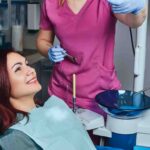
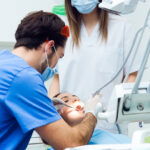
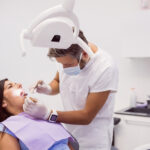
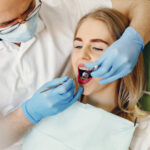
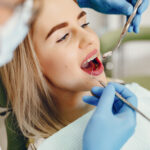
Live-patient exposure is one of the most valuable aspects of general dentistry training because real cases provide experiences that cannot always be gained through theory alone. Supervised patient care allows fresh graduates to practice examination, communication, diagnosis, treatment planning, consent discussions, procedure preparation, and postoperative instructions.
Live-patient training should always follow appropriate infection-control procedures, patient-safety principles, informed consent, and documentation requirements. Supervision is particularly important for fresh graduates as they develop their practical competence.
Treatment Planning: Connect Procedures Into One Plan
General dentistry often requires more than treating one isolated problem. A patient may need periodontal treatment before restoration, root canal treatment before crown placement, extraction before prosthetic rehabilitation, or several procedures in a planned sequence.
Clinical training helps dentists understand how to coordinate these procedures according to biological, functional, and aesthetic considerations. A comprehensive treatment plan can make care more organized and help dentists decide when collaboration or specialist referral is needed.
Communication and Clinical Confidence
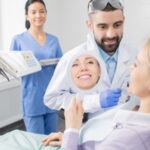
Communication plays an important role in general dental practice. Fresh dentists need to explain diagnoses, treatment options, expectations, limitations, costs, maintenance, and follow-up in a clear and understandable way.
Clinical training can provide opportunities to practice these conversations. Confidence should develop through knowledge, supervision, repetition, feedback, and appropriate case selection rather than unnecessary clinical exposure.
Choosing the Right Clinical Training Program
Fresh BDS dentists should choose programs that provide broad exposure to restorative dentistry, endodontics, oral surgery, prosthodontics, periodontics, diagnosis, treatment planning, communication, and live-patient practice.
Dentists should also consider whether the program emphasizes infection control, patient safety, informed consent, documentation, and appropriate referral. A comprehensive program can help graduates move beyond theoretical learning and build a stronger foundation for responsible general dentistry practice at Esthetica Dental Academy.
Conclusion: Build a Strong Foundation After BDS
General Dentistry Clinical Training for Fresh BDS Dentists can help new graduates develop practical skills across major areas of everyday dentistry. Exposure to restorative dentistry, endodontics, oral surgery, prosthodontics, periodontics, treatment planning, communication, and live patients can strengthen clinical competence and professional confidence.
The goal is not simply to perform more procedures. It is to develop sound judgment, recognize limitations, communicate effectively, select suitable cases, and know when specialist support is needed. With continued learning, supervised experience, and responsible clinical practice, fresh BDS dentists can build a stronger foundation for their professional careers. These skills can support safer, more organized, and patient-focused dental care in practice.
Frequently Asked Questions
1. What does general dentistry clinical training cover?
It covers restorative dentistry, endodontics, oral surgery, prosthodontics, periodontics, treatment planning, and live-patient exposure.
2. Is this training suitable for fresh BDS dentists?
Yes, it helps fresh graduates strengthen practical skills, clinical judgment, communication, and confidence.
3. Does the training include live-patient clinical exposure?
Yes, supervised live-patient exposure provides experience with real clinical cases and patient communication.
4. Can dentists improve their endodontic skills?
Yes, training can cover diagnosis, access preparation, canal preparation, irrigation, obturation, and evaluation.
5. Is oral surgery included in the training?
Yes, basic oral surgery can include local anesthesia, simple and surgical extraction, suturing, and postoperative care.
6. Does the program cover prosthodontics and periodontics?
Yes, it includes restorative and periodontal principles relevant to general dental practice.
7. How can clinical training improve confidence?
Supervised practice, case discussions, mentorship, and feedback can strengthen practical skills and clinical decision-making.