







Dental Veneers for Smile Makeover Cost Benefits and Procedure
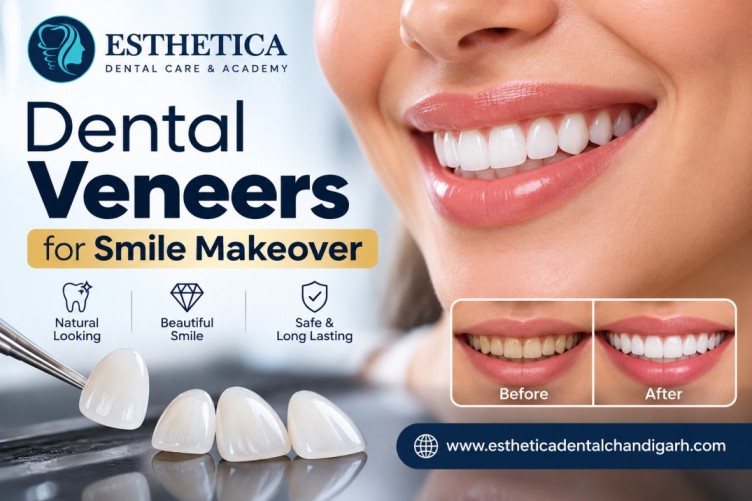
A confident smile can change the way you look, speak, and interact with others. If stained, chipped, uneven, or slightly misaligned front teeth are affecting your confidence, Dental Veneers for Smile Makeover may be one cosmetic dentistry option to discuss with a qualified dentist. Veneers are thin coverings placed over the visible front surface of teeth to improve their appearance, including colour, shape, spacing, and proportions.
For patients in Canada and international patients considering treatment abroad, understanding the veneer procedure, expected results, maintenance, suitability, and overall treatment cost can make the planning process easier. A smile makeover should not simply focus on making teeth look whiter. The goal is to create a balanced appearance that suits the patient’s facial features, existing teeth, bite, and oral health.
Why Are Veneers Becoming Popular for Smile Makeovers?
A smile is one of the first features people notice. Even when teeth are healthy, cosmetic concerns such as discoloration, small chips, uneven edges, gaps, or irregular shapes can make someone feel uncomfortable when smiling.
Veneers can address several of these appearance-related concerns in a planned cosmetic treatment. The Canadian Dental Association explains that veneers may be used to improve the appearance of stained, chipped, misshapen, or slightly misaligned teeth and to address certain spaces between teeth.
A More Balanced Smile Without Changing Every Tooth
A cosmetic dentist does not necessarily need to treat every tooth visible in the mouth. Treatment may focus on selected teeth that are most noticeable when a patient smiles.
This allows the treatment plan to consider tooth proportions, facial appearance, gum position, tooth colour, and the patient’s expectations. A personalized plan can help create a result that looks more natural rather than excessively uniform.
What Are Dental Veneers?
Dental veneers are thin shells made from materials such as porcelain or composite resin. They are bonded to the front surface of teeth to improve their visible appearance.
Porcelain veneers generally involve preparing the tooth, taking impressions or digital records, creating customized restorations, and bonding the completed veneers to the teeth. Composite veneers can sometimes be completed in fewer appointments, while porcelain veneers commonly require multiple visits.
Veneers are mainly a cosmetic treatment. They are not a replacement for treating active cavities, gum disease, or other underlying dental problems.
Smile Makeover With Veneers: What Can They Improve?
A Smile Makeover with Veneers may be considered when a patient wants to improve several cosmetic characteristics at the same time.
Common concerns that may be addressed include:
- Discoloured or stained front teeth
- Small chips or worn edges
- Uneven tooth shapes
- Minor spacing concerns
- Slightly irregular tooth proportions
- Teeth that appear too small or short
- Cosmetic imperfections that remain after other treatments
The exact suitability depends on the condition of the teeth and gums, bite, enamel availability, oral hygiene, and overall treatment goals.
Porcelain Veneers vs Composite Veneers
Patients often ask which type of veneer is better. There is no universal answer because the appropriate option depends on the individual’s dental condition, aesthetic expectations, budget, and long-term goals.
Porcelain Veneers for Teeth are custom-made restorations designed to provide a natural-looking cosmetic result. According to the Canadian Dental Association, porcelain veneers generally require at least two dental visits and tend to be more stain-resistant and longer-lasting than composite veneers.
Composite resin veneers can sometimes be completed in one visit and may require less extensive preparation. However, they can have different durability and staining characteristics.
A dentist can explain the differences after examining the teeth and discussing the desired smile.
Dental Veneers for Smile Makeover Cost: What Determines the Price?
One of the most searched questions about cosmetic dentistry is the price of veneers. However, there is no single cost that applies to every patient.
The total treatment cost can vary depending on several factors, including:
- Number of veneers required
- Type of veneer material
- Laboratory and customization requirements
- Complexity of the case
- Existing dental conditions
- Tooth preparation requirements
- Additional treatments needed before veneers
- Dentist’s experience and location
- Follow-up and maintenance requirements
Why the Number of Teeth Matters
A makeover involving two or four front teeth will naturally have a different treatment cost from a larger smile design involving many teeth.
Patients should therefore avoid comparing prices based only on the cost of one veneer. A complete treatment estimate should explain how many teeth are included, what material will be used, what preparation is required, and whether additional procedures are necessary.
For Canadian patients considering treatment outside Canada, it is also important to consider travel, accommodation, consultation, follow-up appointments, and what happens if adjustments are needed after returning home.
What Is the Veneer Procedure Like?
Understanding the treatment journey can make the process feel much more straightforward.
Step 1: Initial Consultation
The process begins with a dental examination and discussion of the patient’s concerns. The dentist evaluates the teeth, gums, bite, existing restorations, and overall oral health.
The patient can also explain what they want to change, such as tooth colour, length, shape, spacing, or overall smile appearance.
Step 2: Smile Assessment and Treatment Planning
The dentist develops a personalized treatment plan based on the patient’s facial proportions, smile line, tooth shape, gum position, and expectations.
Photographs, impressions, scans, or other diagnostic records may be used to plan the proposed result.
Step 3: Tooth Preparation
For porcelain veneers, a thin amount of enamel may need to be removed to create appropriate space for the restoration. The exact amount depends on the treatment plan and individual tooth.
The Canadian Dental Association notes that veneers are not considered reversible because enamel may be removed during preparation.
Step 4: Temporary Veneers or Trial Smile
Depending on the case, temporary restorations or a trial design may be used while the final veneers are being prepared.
This stage can help the dental team evaluate shape, appearance, and fit before final bonding.
Step 5: Custom Veneer Fabrication
The final veneers are created according to the approved treatment plan. The colour, shape, size, contours, and proportions are considered to achieve the planned appearance.
Step 6: Final Fitting and Bonding
The dentist checks the veneers carefully before permanently bonding them to the teeth. Adjustments may be made to improve the fit, appearance, and bite.
Once the veneers are bonded, the dentist checks the final smile and provides aftercare instructions.
What Makes a Smile Makeover Look Natural?
The most attractive cosmetic dental results do not necessarily look artificial or identical. Natural-looking results usually depend on careful planning.
Important factors include tooth length, width, shape, translucency, colour, gum appearance, facial proportions, and the patient’s natural smile.
A good treatment plan should consider how the teeth look together rather than treating each tooth as an isolated structure.
Are Veneers Suitable for Everyone?
Veneers are not suitable for every patient. A dental examination is important before cosmetic treatment.
Patients may need other treatment first if they have untreated tooth decay, active gum disease, insufficient enamel, significant tooth damage, or other oral health concerns. People who frequently grind or clench their teeth may also need special consideration because excessive forces can damage veneers.
In some cases, orthodontic treatment, whitening, bonding, crowns, or restorative dentistry may be more appropriate.
This is why a smile makeover should begin with diagnosis rather than choosing veneers based only on photographs or online examples.
Veneers vs Teeth Whitening: Which Is Different?
Teeth whitening changes the colour of natural teeth but does not reshape them. Veneers can change the visible colour, shape, size, and proportions of selected teeth.
For patients whose main concern is mild staining, professional whitening may be discussed before considering veneers. If teeth have significant shape irregularities, chips, spaces, or discoloration that does not respond adequately to whitening, veneers may be considered.
The right option depends on the underlying cause of the cosmetic concern.
How Long Do Dental Veneers Last?
Veneers are not permanent for life. Their longevity depends on factors such as material, oral hygiene, biting forces, lifestyle habits, tooth condition, and professional dental care.
Patients should avoid using veneered teeth to bite hard objects and should maintain regular brushing and flossing. The Canadian Dental Association also recommends normal daily oral hygiene for veneered teeth.
Regular dental checkups can help identify problems early and monitor the condition of both the veneers and the underlying teeth.
How to Care for Veneers After Treatment
Maintaining veneers does not mean creating an entirely different oral-care routine. Patients should continue brushing twice daily, cleaning between their teeth, and attending regular dental appointments.
It is also sensible to avoid habits such as biting fingernails, opening packages with teeth, or chewing unusually hard objects.
If you grind or clench your teeth, ask your dentist whether additional protection, such as a night guard, may be appropriate.
Is a Smile Makeover Worth Considering?
A smile makeover can be an important cosmetic decision, so patients should focus on realistic expectations rather than simply choosing the whitest or most dramatic result.
Before treatment, discuss the expected appearance, number of veneers, material, preparation, maintenance, alternatives, and total cost with your dentist.
The Canadian Dental Association recommends asking questions about the procedure, cost, duration, future maintenance, and available alternatives before proceeding with dental treatment.
What Should Canadian Patients Ask Before Getting Veneers?
If you are considering treatment in Canada or travelling internationally for cosmetic dentistry, ask:
- How many teeth actually need treatment?
- Which veneer material is recommended and why?
- How much enamel will be removed?
- Is the treatment reversible?
- Are there alternative treatments?
- What is included in the quoted price?
- How many appointments are required?
- What happens if a veneer chips or becomes damaged?
- What follow-up care will be available?
- Will dental insurance contribute toward any part of the treatment?
Cosmetic procedures are often treated differently from medically necessary dental services, and coverage varies by plan. Patients should check their individual dental benefits before assuming a cosmetic procedure will be reimbursed.
Frequently Asked Questions
1. How much do veneers cost for a smile makeover?
The total Veneers Cost for Smile Makeover depends on the number of teeth, veneer material, laboratory work, preparation, case complexity, and location. A personalized consultation is needed for an accurate estimate.
2. Are porcelain veneers better than composite veneers?
Porcelain and composite veneers have different characteristics. Porcelain generally offers greater stain resistance and longevity, while composite veneers can sometimes be completed more quickly. Your dentist can recommend an option based on your teeth and goals.
3. Can veneers fix crooked teeth?
Veneers may improve the appearance of mildly irregular or slightly crooked teeth. However, they are not a substitute for orthodontic treatment in every case. Significant alignment or bite problems may require orthodontic care.
4. Are veneers permanent?
Veneers are designed as long-term cosmetic restorations, but they can eventually need replacement. Proper oral hygiene, regular dental visits, and avoiding damaging habits can help maintain them.
5. Do veneers look natural?
Yes, veneers can be designed to look natural when colour, shape, size, translucency, and proportions are carefully planned. The final appearance depends on the material, laboratory work, treatment planning, and clinical execution.
6. Can I get veneers if I have sensitive teeth?
Sensitivity does not automatically mean that veneers are unsuitable, but the cause of the sensitivity should be assessed first. Your dentist can determine whether treatment is appropriate and discuss ways to manage sensitivity.
7. How many visits are needed for porcelain veneers?
Porcelain veneers generally require at least two visits, although the exact number depends on the treatment plan and individual case.
Give Your Smile a More Confident and Balanced Appearance
A beautiful smile makeover is about more than simply covering teeth with veneers. It involves careful diagnosis, personalized planning, appropriate material selection, precise preparation, and long-term oral care.
If you are considering Dental Veneers for Smile Makeover, start with a professional consultation to understand whether veneers are suitable for your teeth and what alternatives may be available. Patients from Canada and other countries can discuss their smile goals, treatment requirements, expected timeline, and estimated costs before making a decision.
For personalized cosmetic dentistry consultation and smile makeover planning, Esthetica Dental Clinic can help you understand your available treatment options and plan the next step toward a confident smile.