








Best Dental Implant Specialist in Mohali?
Missing teeth can affect more than just your appearance. They can make eating difficult, impact your speech, reduce your confidence, and even lead to long-term oral health problems. Fortunately, modern dental implant technology offers a permanent and natural-looking solution. Choosing an experienced implant specialist is the first step toward achieving a healthy, functional, and beautiful smile.
If you’re searching for a trusted Dental Implant Specialist Mohali, this comprehensive guide will help you understand the procedure, benefits, treatment process, recovery, and how to choose the right dental professional for long-lasting results.

Why Dental Implants Are the Gold Standard for Tooth Replacement
Unlike removable dentures or traditional dental bridges, dental implants replace the missing tooth from the root upward. A titanium implant is placed into the jawbone, where it naturally fuses with the bone over time, creating a strong and durable foundation for an artificial tooth.
This advanced treatment closely mimics natural teeth in appearance, strength, and function, making it one of the most recommended tooth replacement options available today.
Why Choosing the Right Implant Specialist Matters
Dental implant treatment is a precise procedure that requires skill, experience, and advanced planning. Selecting the right specialist significantly improves treatment success and minimizes complications.
A qualified implant specialist provides:
- Comprehensive oral examination
- Digital X-rays and 3D imaging
- Personalized treatment planning
- Safe implant placement
- Natural-looking restorations
- Long-term follow-up care
Choosing an experienced professional also helps ensure proper healing and long-lasting results.
What Is a Dental Implant?
A dental implant is an artificial tooth root made from biocompatible titanium. It is surgically placed into the jawbone to support a replacement tooth.
The implant consists of three main components:
Titanium Implant
Acts as the artificial tooth root.
Abutment
Connects the implant with the dental crown.
Dental Crown
A custom-designed ceramic tooth that matches your natural smile.
Together, these components create a strong, attractive, and fully functional replacement tooth.
Who Is a Good Candidate for Dental Implants?
Dental implants are suitable for many adults who have one or more missing teeth.
You may be a good candidate if you:
- Have healthy gums
- Have adequate jawbone density
- Practice good oral hygiene
- Are free from uncontrolled medical conditions affecting healing
- Want a permanent solution instead of removable dentures
Even patients with mild bone loss may qualify after additional procedures such as bone grafting.
Common Causes of Tooth Loss
Understanding why teeth are lost highlights the importance of timely replacement.
Tooth Decay
Severe cavities may damage teeth beyond repair.
Gum Disease
Advanced periodontal disease weakens the supporting tissues and bone.
Dental Trauma
Sports injuries, falls, and accidents frequently result in missing teeth.
Aging
Years of wear and previous dental problems may eventually require tooth replacement.
Failed Dental Treatments
Some root canal-treated or heavily restored teeth cannot be saved.
Benefits of Dental Implants
Dental implants offer numerous advantages over traditional treatment options.
Natural Appearance
Modern ceramic crowns blend seamlessly with surrounding teeth.
Comfortable Eating
Patients can comfortably chew most foods without worrying about movement.
Better Speech
Unlike loose dentures, implants remain securely fixed.
Long-Term Durability
With proper care, implants can remain functional for decades.
Bone Preservation
They stimulate the jawbone and help prevent bone loss after tooth extraction.
Improved Confidence
Patients often smile, laugh, and socialize more comfortably after treatment.
Step-by-Step Dental Implant Procedure
Understanding the treatment process helps reduce anxiety and prepares patients for a successful experience.
Initial Consultation
The specialist examines your mouth, evaluates bone quality, and recommends a customized treatment plan.
Digital scans and X-rays help ensure accurate planning.
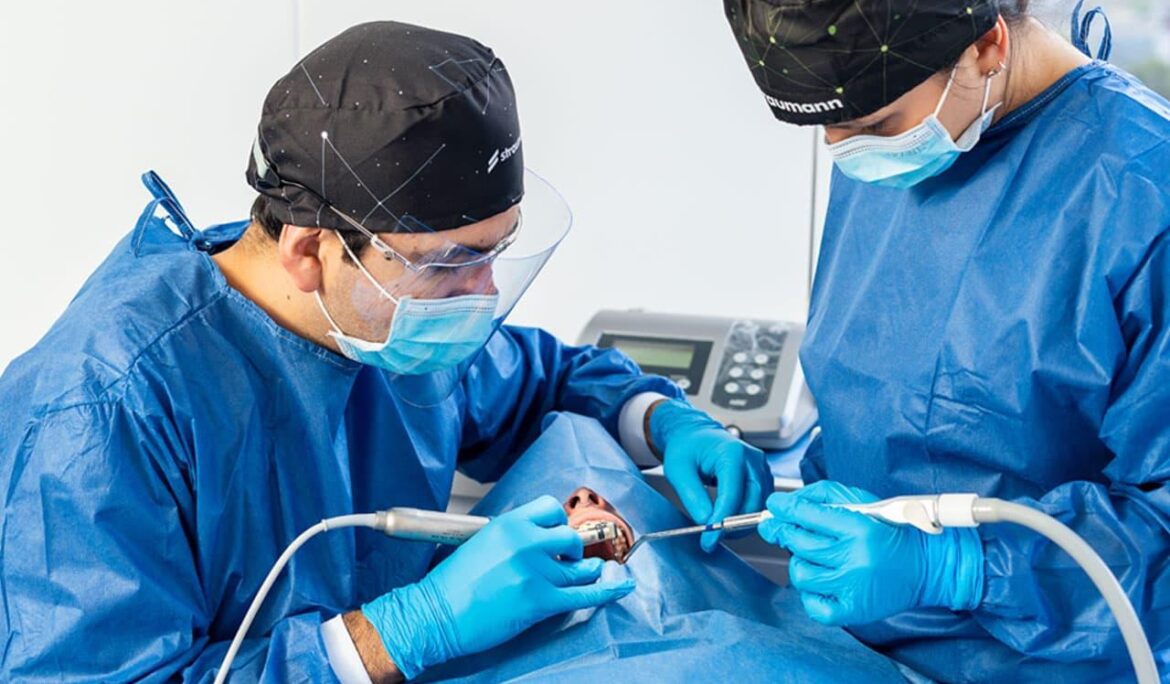
Implant Placement Surgery
The titanium implant is carefully inserted into the jawbone using advanced techniques and local anesthesia.
The procedure is generally comfortable and completed within a few hours depending on the number of implants.
Healing Period
During the next three to six months, the implant naturally bonds with the surrounding bone.
This biological process is known as osseointegration and provides excellent stability.
Abutment Placement
Once healing is complete, the abutment is attached to the implant.
This small connector supports the final crown.
Crown Placement
A custom-made ceramic crown is fixed onto the abutment.
The finished restoration looks, feels, and functions almost exactly like a natural tooth.
Is Dental Implant Surgery Painful?
This is one of the most common concerns among patients.
Modern implant procedures are performed under local anesthesia, making treatment comfortable for most individuals. Mild swelling or soreness after surgery is completely normal and usually resolves within a few days with prescribed medication.
Most patients report that the procedure is easier than they initially expected.
How Long Do Dental Implants Last?
One of the greatest advantages of implants is their longevity.
With regular dental check-ups, proper oral hygiene, and healthy lifestyle habits, dental implants can remain successful for 20 years or even a lifetime. The ceramic crown may require replacement after years of normal wear, but the implant itself is designed to provide long-term stability.
Why Early Tooth Replacement Is Important
Replacing missing teeth as early as possible helps maintain your overall oral health.
Early treatment can:
- Prevent jawbone deterioration
- Stop neighboring teeth from shifting
- Improve chewing efficiency
- Enhance facial appearance
- Support proper speech
- Reduce the need for more complex treatments later
Prompt treatment also preserves the natural alignment of your teeth and helps maintain a balanced bite.
How to Take Care of Your Dental Implants
Proper aftercare is essential for maintaining the health and longevity of your dental implants. Fortunately, caring for implants is similar to caring for your natural teeth.
Follow these simple tips:
- Brush your teeth twice daily using a soft-bristled toothbrush.
- Floss every day to remove plaque around the implant.
- Use an antibacterial mouthwash if recommended by your dentist.
- Avoid chewing hard objects such as ice or pens.
- Quit smoking, as it can slow healing and increase the risk of implant failure.
- Schedule regular dental check-ups and professional cleanings.
Good oral hygiene helps ensure your implants remain healthy and functional for many years.
Factors That Influence Dental Implant Treatment Cost
The cost of dental implant treatment varies depending on the individual needs of each patient. No two treatment plans are exactly the same.
Several factors affect the overall cost, including:
- Number of implants required
- Condition of the jawbone
- Need for bone grafting or sinus lift procedures
- Type of implant system used
- Quality of the dental crown
- Diagnostic imaging and digital planning
- Complexity of the case
- Experience of the implant specialist
While cost is an important consideration, choosing an experienced professional and high-quality materials often provides better long-term value.
Common Myths About Dental Implants
Many patients hesitate because of misinformation. Here are some common myths and the facts behind them.
Myth: Dental implants are only for elderly people.
Fact: Adults of various age groups can be suitable candidates if they have healthy gums and sufficient bone support.
Myth: Implant surgery is extremely painful.
Fact: Modern implant procedures are performed under local anesthesia, making the experience comfortable for most patients.
Myth: Dental implants don’t look natural.
Fact: Custom-made ceramic crowns are designed to match the color, size, and shape of your natural teeth.
Myth: Dental implants require complicated maintenance.
Fact: Routine brushing, flossing, and regular dental visits are generally all that’s needed.
Myth: Implant treatment has a low success rate.
Fact: When performed by an experienced implant specialist, dental implants have a very high long-term success rate.
Advanced Technology Makes Implant Treatment More Accurate
Modern dentistry has significantly improved the accuracy and comfort of dental implant procedures.
Today’s implant specialists often use:
- Digital smile design
- 3D CBCT imaging
- Computer-guided implant planning
- Digital impressions
- High-quality biocompatible implant systems
These technologies help improve precision, reduce treatment time, and support faster recovery while delivering predictable results.
Why Patients Prefer Dental Implants Over Dentures
Although dentures remain a treatment option for some individuals, dental implants offer several advantages that make them a preferred long-term solution.
Benefits include:
- Greater comfort and stability
- Improved chewing ability
- Natural appearance
- No slipping while eating or speaking
- Better jawbone preservation
- Increased confidence in everyday life
Unlike removable dentures, implants become a permanent part of your smile and function much like natural teeth.
Signs You Should Consult an Implant Specialist
If you experience any of the following, it may be time to consider professional evaluation:
- One or more missing teeth
- Difficulty chewing food
- Loose or uncomfortable dentures
- Bone loss after tooth extraction
- Cracked or severely damaged teeth that cannot be restored
- Declining confidence because of gaps in your smile
Early consultation allows for timely treatment and can help prevent additional oral health complications.
Healthy Habits That Protect Your Smile
Maintaining good oral health supports both natural teeth and dental implants.
Simple habits include:
- Eating a balanced diet rich in calcium and vitamins
- Drinking enough water throughout the day
- Reducing sugary snacks and beverages
- Avoiding tobacco products
- Wearing a mouthguard during sports
- Visiting your dentist every six months
These habits contribute to long-term oral health and the success of implant treatment.
A Confident Smile Starts with the Right Decision
Missing teeth can affect every aspect of daily life, from eating and speaking to smiling with confidence. Dental implants provide a permanent, natural-looking, and highly functional solution that restores both appearance and oral health.
Choosing an experienced implant specialist, following professional advice, and maintaining excellent oral hygiene are key factors in achieving successful and lasting results. Investing in your smile today can improve your confidence, comfort, and overall quality of life for years to come.
ESTHETICA DENTAL ACADEMY – Expert Care for Healthy and Confident Smiles
At ESTHETICA DENTAL ACADEMY, patients receive personalized dental implant care using modern technology and evidence-based treatment approaches. From detailed consultations and precise implant planning to comprehensive aftercare, the experienced team is dedicated to restoring healthy, natural-looking smiles while ensuring comfort, safety, and long-term success for every patient.
A Message from Dr. Sharad Arya, Founder – Esthetica Dental Academy
When I started Esthetica Dental Clinic in 2012, my vision was simple — to combine clinical excellence with genuine patient care. Over the years, as our practice grew across Punjab, Himachal, and Chandigarh, I realized that the biggest gap in Indian dentistry wasn’t a lack of talent, but a lack of accessible, hands-on implant training for practicing dentists.
That’s why we built Esthetica Dental Academy — not as another certificate mill, but as a mentorship-driven program where dentists actually work on live cases, under supervision, until they’re confident enough to do it on their own. I’ve seen BDS graduates walk in unsure of their surgical skills and walk out ready to plan and execute full-arch implant cases independently.
If you’re serious about growing your implant practice, I’d encourage you to invest in training that prioritizes real clinical exposure over theory alone. That’s the philosophy behind everything we teach here.
— Prof. Dr. Sharad Arya, MDS
Frequently Asked Questions (FAQs)
1. How long does a dental implant procedure take?
The implant placement procedure usually takes about 30 to 90 minutes per implant. The complete treatment, including healing and placement of the permanent crown, may take several months depending on individual healing.
2. Are dental implants safe?
Yes. Dental implants are considered a safe and highly successful treatment for replacing missing teeth when performed by a qualified implant specialist using modern techniques and quality materials.
3. Can I eat normally after getting dental implants?
After the initial healing period, most patients can comfortably eat a wide variety of foods. Your dentist will provide dietary guidelines during recovery to ensure proper healing before returning to a normal diet.