








All-on-6 Implant Course in India for Advanced Dental Training
If you want to grow from placing single implants to rebuilding full smiles, an All-on-6 implant course India is one of the most practical steps you can take. Full-arch rehabilitation is now one of the most requested treatments in implant dentistry, and patients want clinicians who can plan it, place it and finish it with confidence. A good course gives you more than theory. It gives you a clear, repeatable workflow you can bring back to your own clinic the very next week.
Why Are So Many Dentists Searching for an All-on-6 Course Right Now?
Ten years ago, most general dentists treated missing teeth one site at a time. Today, patients arrive with failing dentures, loose bridges or advanced gum disease, and they ask for something fixed, stable and natural looking. That demand has pushed All-on-6 dental implant training India to the top of many dentists’ learning lists.
There is also a business reason. Full-arch cases build trust, bring referrals and set your practice apart from clinics that only offer basic treatment. Dentists who learn this skill early often become the go-to name in their city.
What Is the All-on-6 Technique, in Simple Words?
All-on-6 means replacing a full arch of teeth with a fixed bridge that rests on six strategically placed implants. Two or more implants sit in the front, and others are angled or placed in the back to make the most of available bone. The goal is a strong, balanced base that can often avoid bone grafting.
Compared with the older four-implant concept, six implants spread chewing forces more evenly and give the prosthesis extra support. If one implant ever needs attention, the rest still hold the bridge steady. That safety margin is why many clinicians prefer this approach for long-term predictability.
What You Will Actually Learn in a Quality Training Program
A strong program should walk you through the whole journey, from the first consultation to the final bridge. Here are the core areas worth looking for:
- Patient selection and case planning, including who is and is not a good candidate
- Reading CBCT scans and measuring bone volume, density and nerve position
- Implant positioning, angulation and the logic behind the six-implant layout
- Surgical steps, flap handling and soft tissue management
- Immediate loading protocols and temporary prosthesis delivery
- Final prosthetic design, occlusion and long-term maintenance
When these topics are taught together, the pieces start to connect. You stop memorizing steps and start understanding why each decision matters.
Full Mouth Implant Course in India: Why Hands-On Practice Beats Lectures Alone
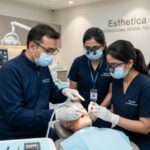
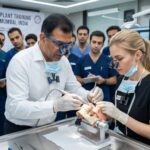
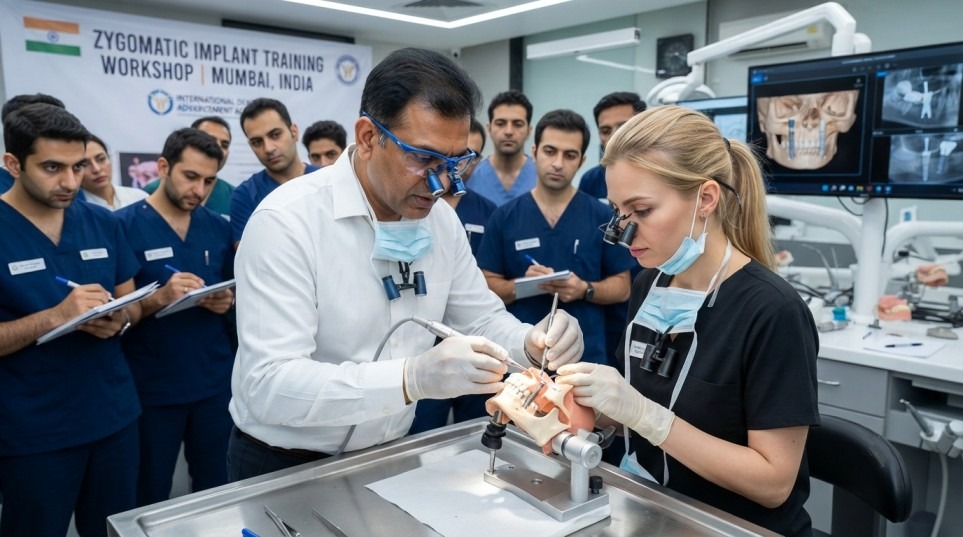
Watching a procedure on a slide is very different from doing it yourself. A well-built full mouth implant course in India should include live demonstrations, model work and guided practice, so your hands learn what your mind already knows. Small groups matter here, because personal feedback can quickly correct angulation or torque mistakes before they become habits.
If you want to see how full-arch care looks from the patient side, you can read about full mouth dental implants and the treatment steps patients go through. Understanding the patient journey makes you a better planner and a better communicator.
Digital Planning and CBCT: The New Standard in Implant Dentistry
Modern implant work is no longer guesswork. CBCT imaging, digital smile planning and guided surgery help you see the case before you touch the patient. You can check bone width, avoid vital structures and decide implant positions on screen, which lowers risk and saves chair time.
Digital workflows also make teamwork easier. Your lab, your surgical plan and your prosthetic design all stay aligned. Dentists who learn this early find that complex cases feel more organized and less stressful.
How to Choose the Right Advanced Dental Implant Course in India
Not every program is built the same way, so it helps to ask a few honest questions before you enrol. Searching for advanced dental implant courses India will give you many results, but the best fit depends on what you need. Look closely at these points:
- Faculty experience: Are the trainers active implant surgeons who treat full-arch cases regularly?
- Batch size: Smaller groups mean more personal attention.
- Clinical exposure: Will you watch live cases or only see recorded videos?
- Follow-up support: Can you ask questions after the course ends?
- Clear expectations: Is the program honest about what the certificate does and does not represent?
That last point is important. Training programs are for skill building and professional development, and they are not a replacement for a degree or registration. A trustworthy academy will say this openly.
You can also explore the dental academy courses on offer to compare formats and topics before deciding.
Who Should Join an All-on-6 Program?
This kind of training suits several types of clinicians. General dentists who already place single implants and want to handle bigger cases will gain the most. Prosthodontists, periodontists and oral surgeons often join to refine their full-arch protocols and learn new workflows.
Recent graduates can benefit as well, as long as they have basic surgical foundations. If you are still building your base, starting with an entry-level implant program first is a sensible path. For overseas clinicians who want structured exposure in India, the international dentist training program is worth a look.
How Full-Arch Skills Can Change Your Practice
Learning this technique does more than add a new treatment to your menu. It changes how patients see you. Someone who walks in with a failing denture and walks out with a stable, natural-looking smile will tell family and friends, and word of mouth remains the strongest form of marketing in dentistry.
You also gain confidence in complex decisions. Instead of referring every difficult case elsewhere, you can plan treatment, explain options clearly and deliver results. Over time, this builds a stronger reputation and a more rewarding career.
It also helps to understand how patients compare clinics. Many of them research dental implant treatment in Chandigarh before choosing, so knowing what they read and expect makes your consultations smoother.
Common Mistakes Dentists Make When Starting Full-Arch Cases
Even skilled clinicians can stumble on their first few full-arch patients. The most common problem is poor case selection, such as taking on a patient with very little bone or uncontrolled health conditions without a backup plan. Another is rushing the planning stage, when scanning and measuring should take the most time.
Over-tightening or under-torquing implants, ignoring bite balance and skipping follow-up visits also cause trouble later. Good training teaches you to spot these risks early, so you build habits that protect both your patients and your reputation.
Frequently Asked Questions
1. What is an All-on-6 implant course?
It is a professional training program that teaches dentists how to replace a full arch of teeth using six implants and a fixed prosthesis. Topics usually cover planning, surgery, immediate loading and final restoration.
2. Who can join an All-on-6 dental implant course in India?
Qualified and registered dentists, including general dentists, prosthodontists, periodontists and oral surgeons, can usually join. Some programs expect basic implant experience, so check the entry requirements first.
3. How long does All-on-6 training take?
Duration varies by academy. Some programs run for a few days of intensive learning, while others spread sessions over weeks with mentorship. Ask for the exact schedule before enrolling.
4. Will I get hands-on practice or only theory?
A good program mixes both. Look for live demonstrations, model-based practice and case discussions, because real skill comes from doing, not only watching.
5. Is the course certificate a degree or license?
No. Training certificates show that you attended and completed a skill-building program. They do not replace a dental degree, registration or any statutory qualification.
6. What is the difference between All-on-4 and All-on-6?
All-on-4 uses four implants per arch, while All-on-6 uses six. The extra implants spread chewing load more evenly and add backup support, which many clinicians value for long-term stability.
7. How do I choose the best implant course in India?
Compare faculty experience, batch size, clinical exposure, follow-up support and honesty about outcomes. Reading about the academy’s clinical work and speaking with past participants can also help.
Ready to Take the Next Step in Your Implant Journey?
Choosing the right training path is a big decision, and it helps to think it through clearly. Here are three points to keep in mind as you move forward.
Start with your current skill level
Be honest about your surgical and prosthetic experience, then pick a program that stretches you without overwhelming you.
Look for real clinical learning
Choose a course where live cases, small batches and personal mentoring are part of the plan, not just promises on a brochure.
Keep learning after the course ends
Implant dentistry keeps evolving, so pick a place that supports you after the sessions finish. You can also read more on the clinic’s implant dentistry blog for related topics.
Want to learn full-arch implant dentistry with expert guidance? Book your appointment today and take the first step toward advanced clinical confidence.
With a focus on practical learning, small groups and modern digital workflows, Esthetica Dental Academy helps dentists build the skills and confidence needed to handle full-arch implant cases in everyday practice.
Book Your Training for Upcoming Months
We provide both online and offline training to help you enhance your skills. Book your training session for the upcoming months today!
2-Day
Implantology
An intensive introduction for dentists who want to understand the complete implant workflow.
- ✓2 Days intensive training
- ✓Basic implantology concepts
- ✓Surgical kit demonstration
- ✓Hands-on training
- ✓Live implant surgery exposure
- ✓Certificate
Basic to Advanced
Comprehensive clinical training covering implant placement, bone grafting, sinus lift and prosthetic workflows.
- ✓5–7 Days training
- ✓Live patient surgeries
- ✓Implant placement
- ✓Bone grafting
- ✓Sinus lift
- ✓CBCT planning
- ✓Prosthetic workflow
Implant Diploma
Advanced structured training for dentists seeking deeper implant surgery and prosthetic exposure.
- ✓7 Days intensive program
- ✓15 implant procedures
- ✓Advanced surgery
- ✓Bone management
- ✓Sinus lift
- ✓Prosthetic rehabilitation
- ✓Extended mentorship
Customize Your
Course
Need a program designed around your specific clinical requirements? Build a customized implantology training plan with our team.
- ✓Choose your training duration
- ✓Select specific clinical procedures
- ✓Personalized learning objectives
- ✓Hands-on clinical exposure
- ✓Advanced implantology topics
- ✓Individual mentorship options