








Smile Design Course in Pune for Dentists | Clinical Training
If you have been searching for a smile designing course in Pune, chances are you have reached a point where routine dentistry no longer feels like enough. Patients now arrive with social media photos and clear expectations about brighter, better-balanced smiles. A well-structured smile design course for dentists gives you the planning skills and clinical confidence to meet those expectations without guesswork. This guide explains what such training covers, who benefits most, and how to pick a program that builds real skill.
Many dentists delay this step because they are unsure what a good course looks like. The truth is simple: the best programs mix clear theory, digital planning and plenty of hands-on practice. Read on to see how each piece fits together, and what questions to ask before you enrol.
Why Smile Design Has Become the Most Wanted Skill in Dentistry
Not long ago, most patients visited a dentist only when something hurt. Today, a large number come simply because they want to look better. Smile makeovers, veneers and evenly shaped teeth are among the most requested treatments, and clinics that cannot offer them well often lose those patients elsewhere. Learning smile makeover treatments in a structured way closes that gap.
Smile design is far more than making teeth white. It blends facial proportions, gum levels, lip movement, tooth shape and colour into a single plan that suits one individual. When you understand these rules, results look natural instead of overdone. That natural finish is what earns referrals, positive reviews and long-term patient trust.
What You Will Actually Learn in a Clinical Smile Design Program
A good course takes you from first consultation to final delivery. Rather than teaching isolated tricks, it builds a complete workflow you can repeat on every case. Here are the core areas you should expect.
Facial and Smile Analysis
Reading the face before the teeth
Every smile sits inside a face, so planning starts there. You learn to study facial midlines, eye and lip lines and overall symmetry using photographs and simple measurements. This habit stops you from designing teeth that look perfect on a model but wrong on the patient.
Understanding the smile line and gum display
How much tooth and gum show when a patient laughs changes the entire plan. You learn to spot a gummy smile, worn edges and uneven gum margins early. Knowing this helps you explain options clearly and set realistic expectations from day one.
Case Selection and Treatment Planning
Choosing the right patient for the right treatment
Not every smile needs veneers. You learn to compare options such as whitening, bonding, crowns, and clear aligners and braces so that each patient gets the least invasive route to a great result. Honest case selection protects both your patient and your reputation.
Knowing when to combine treatments
Many smile makeovers need teamwork between orthodontics, gum care and restorative work. You practise sequencing these steps so treatment flows smoothly and avoids rework. A clear plan also helps patients understand cost, time and results.
Material Selection and Shade Matching
Picking between ceramic and composite options
You study how different materials behave in strength, translucency and long-term staining. Understanding these differences helps you recommend the option that fits each patient’s budget and bite. It also reduces chipping and failures after delivery.
Getting colour right the first time
Shade matching is where many good cases go wrong. You learn simple, repeatable steps for choosing and communicating shade to the lab. The result is fewer remakes and happier patients.
Veneers and Laminates Training: From Tooth Preparation to Final Bonding
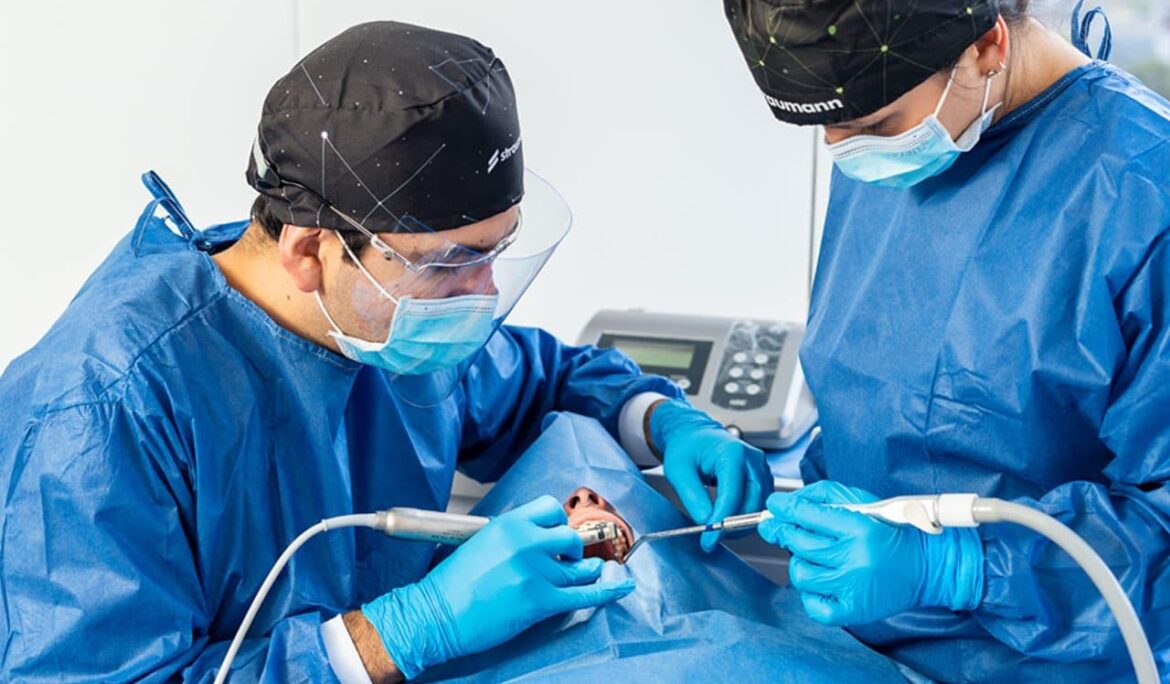
Strong veneers and laminates training goes well beyond watching a demonstration. You need to hold the handpiece, control depth, and feel what minimal preparation really means. Good programs let you work step by step, from planning and mock-ups to preparation, temporaries and final bonding.
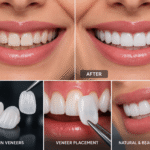
You also learn how to protect enamel, manage soft tissue and avoid common bonding errors that lead to debonding later. Studying real before and after treatment cases helps you see how small decisions in preparation shape the final outcome. By the end, you should feel ready to plan and deliver cases independently.
Digital Smile Design: See the Result Before You Begin
A digital smile design (DSD) course in India teaches you to preview a smile on screen before any tooth is touched. Using photographs, video and planning software, you draw guidelines over the patient’s face and show them a likely outcome. This turns a vague idea into a clear visual conversation.
Patients who can see the plan feel more confident and more involved in decisions. That often means faster approvals and fewer surprises during treatment. For you, DSD also becomes a reliable record that links the design to what you actually deliver, making every case easier to review and improve.
Who Should Join a Smile Design Course?
These programs suit a wide range of dental professionals. If any of the groups below sounds like you, this training is worth serious thought.
Recently graduated BDS dentists
College teaches fundamentals, but cosmetic work needs extra practice. A focused course helps you start your career with a valuable, in-demand skill.
Practising general dentists
If you already run a clinic, adding smile design lets you keep cosmetic cases in-house. It also supports related services such as dental implant treatment, because patients often need more than one solution.
International and visiting dentists
Dentists from outside India often look for short, practical training. Programs like the international dentist training program in India show how structured clinical education can work across borders.
Hands-On Training vs Theory-Only Courses: What Makes the Difference
A theory-only course may leave you with beautiful slides but no confidence at the chair. Hands-on training lets you practise preparation, mock-ups and bonding under supervision, so mistakes happen in a safe setting. That confidence shows up the first time you treat a real patient.
Small batches matter too. When groups are limited, the trainer can correct your technique in real time instead of speaking to a crowd. Guidance from experienced senior mentors also helps you learn not just the how, but the why behind each clinical decision.
How to Choose the Right Smile Design Course in Pune
Before paying any fee, run through this simple checklist. It will help you compare programs fairly and avoid disappointment.
- Clear syllabus: Does it cover analysis, planning, preparation and delivery?
- Live or supervised practice: Will you actually treat or prepare, not just watch?
- Digital workflow: Is DSD included, with real planning tools?
- Batch size: Are groups small enough for personal feedback?
- Honest certification: Does the program explain what its certificate means?
- Follow-up support: Can you ask questions after the course ends?
Want to see how clinical training is structured? Explore the full list of dental courses and compare them with your goals.
How Smile Design Skills Grow Your Practice
Dentists who add cosmetic skills often see their practice change in simple but lasting ways. Patients stay longer, accept bigger treatment plans and recommend you to friends and family. A beautiful result is also the best advertisement you can have.
There is a personal benefit as well. Delivering a smile that changes how someone feels about themselves is deeply satisfying work. Many dentists say it renews their love for the profession. For more learning ideas, you can browse related dental education articles and keep building your knowledge step by step.
Frequently Asked Questions About Smile Design Courses
What is a smile design course for dentists?
It is a professional training program that teaches you to analyse a patient’s face and teeth, plan a cosmetic makeover and deliver it using veneers, laminates and related treatments. Good courses combine theory, digital planning and hands-on practice.
Who can join a smile designing course in Pune?
Most programs are meant for qualified dentists, including recent BDS graduates, general practitioners and specialists. Always confirm eligibility with the course organiser before registering.
How long does a smile designing course take?
Duration varies from short intensive workshops to longer mentorship programs. Check the schedule, daily hours and practical sessions so you know exactly what to expect.
Is digital smile design difficult to learn?
Not at all. With basic computer skills and a clear step-by-step method, most dentists learn the core workflow quickly. Practice on real cases is what builds speed and accuracy.
Will I get hands-on practice in veneers and laminates training?
A quality program should include supervised practical work, such as mock-ups and tooth preparation. If a course only offers lectures, ask what practical component is available.
Is the course certificate a degree or government-recognised qualification?
Usually no. Most clinical training certificates show participation and skill development, not a statutory degree or diploma. Read the program’s disclaimer carefully so you know what the certificate represents.
What is the difference between veneers and laminates?
The terms are often used interchangeably. Both are thin shells bonded to the front of teeth to improve shape, colour and alignment. Materials and thickness may differ, so your trainer will explain which suits each case.
Ready to Take the Next Step in Your Smile Design Journey?
Choosing a course is a big decision, and it should feel clear, not rushed. Use the points below as your final check before you commit.
Define Your Learning Goal
Decide what you want to deliver
Are you aiming for confident veneer cases, full smile makeovers or better digital planning? Writing down your goal makes it easier to judge whether a program fits you.
Set a realistic timeline
Skills grow with repetition. Plan to apply what you learn on real cases soon after training, so the knowledge stays fresh.
Compare Programs Calmly
Ask for the syllabus and practical details
A reliable academy will gladly share what you will learn and how much hands-on work is included. Clear answers are a good sign.
Speak to past participants if possible
Honest feedback from dentists who have attended gives you a real picture of the experience.
Take Action With Confidence
Reach out and ask your questions
No question is too small. Understanding the course fully before joining helps you get the most from every session.
Take the first step today and learn more about us to find the right training path.
If you are ready to turn your interest in cosmetic dentistry into real clinical skill, Esthetica Dental Academy offers practical, evidence-based training designed to help dentists plan and deliver natural, confident smiles.
Book Your Training for Upcoming Months
We provide both online and offline training to help you enhance your skills. Book your training session for the upcoming months today!