









Smile Designing Course in Hyderabad
Patients no longer walk in asking only for a filling or a clean-up. They arrive with phone photos, celebrity smiles and one clear question: “Can you make my teeth look like this?” If that sounds familiar, a Smile Designing Course in Hyderabad could be the skill upgrade your practice has been missing. This guide explains what such a program covers, who gains the most from it and how to choose one wisely. Whether you are a fresh graduate or a clinician with years behind the chair, Smile Design Training in Hyderabad can help you plan cases with more confidence and far less guesswork.
Why Are So Many Dentists Suddenly Chasing Smile Design Skills?
Social media, video calls and constant selfies have changed how people see their own teeth. Patients today judge a dentist not only by whether a tooth works, but by whether the final result looks natural, balanced and suited to their face. That expectation is not going away.
This is why a Dental Smile Designing Course is no longer a “nice extra”. It now sits beside implants and root canals as a core clinical skill. A dentist who can plan a smile, thinking about lips, gum line, tooth shape and facial proportions together, usually communicates better and avoids painful redo cases.
Hyderabad is a large metro with steady demand for cosmetic care, which makes it a practical place to build these skills. Learning here also puts you in a room with peers who deal with the same patient questions, so ideas travel quickly.
What Will You Actually Learn Inside a Smile Design Program?
A good program moves beyond theory slides. It teaches you to look at a face first and a tooth second, then turn that observation into a clear treatment plan. Below are the building blocks you should expect from a solid Cosmetic Dentistry Course in Hyderabad.
The Core Modules Worth Looking For
1. Facial and Dental Analysis
You learn how the midline, smile line, lip support and tooth proportions fit together. Reading these cues helps you spot why a smile feels “off” even when every tooth is healthy. This step is the foundation, because every later decision depends on how well you read the face in front of you.
2. Digital Smile Planning
Photographs, video and digital mockups let you preview a result before any tooth is touched. Patients understand a visual far better than a verbal explanation, so case acceptance often becomes smoother. You also gain a written reference to check your own work against later.
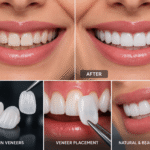
3. Veneers, Laminates and Minimal-Prep Techniques
This module covers case selection, shade matching, preparation design and bonding steps. The goal is to protect as much natural tooth as possible while delivering a lasting result. You also learn when veneers are the wrong answer, which is just as valuable a lesson.
4. Gum Contouring and Soft Tissue Management
A beautiful tooth can still look wrong beside an uneven gum line. Here you study how soft tissue frames the teeth and how procedures such as laser dentistry can refine that frame. Understanding healing and limits keeps you safe and your results predictable.
5. Occlusion and Long-Term Stability
A smile must work as well as it looks. This module connects bite, function and material choice so that restorations survive daily chewing for years. Many cosmetic failures trace back to ignoring the bite, so this topic deserves real attention.
6. Patient Communication and Consent
Technical skill alone does not win trust. You practise setting realistic expectations, explaining limits and documenting consent in plain language. Clear conversations reduce disappointment and protect both you and the patient.
Who Should Join a Smile Designing Course?
Recent graduates get a structured path into cosmetic work instead of learning only through trial and error. The earlier you build good habits, the fewer you have to unlearn.
General dentists often receive cosmetic requests but refer them out for lack of confidence. A focused program can help you keep those patients in your own clinic.
Specialists such as endodontists, orthodontists and prosthodontists can add a cosmetic lens to cases they already treat. For example, understanding smile design makes it easier to plan clear aligners with the final look in mind.
Clinic owners gain a way to widen their service range without hiring outside help for every cosmetic case.
How Do You Pick the Right Cosmetic Dentistry Course in Hyderabad?
Not every program is built the same, and a flashy brochure says little about real learning. Use this checklist before you pay anything:
- Check the clinical exposure. Look for live demonstrations and case discussions, not only recorded lectures.
- Ask about group size. Smaller batches usually mean more personal feedback from the mentor.
- Review the mentor’s background. Read the faculty’s clinical profile and see whether they actively treat the cases they teach.
- Understand the certificate. Most skill-based programs give a participation certificate, not a degree or a statutory qualification. It adds to your registration but does not replace it.
- Read the refund terms. Many academies treat registration fees as non-refundable, so confirm the policy in writing first.
- Look for follow-up support. Case doubts do not end on the last day, so mentor access after the course is a real advantage.
Can Smile Design Skills Really Grow Your Practice?
The honest answer is yes, when you pair the skills with good ethics. Patients who feel heard and see a clear preview tend to trust the plan and recommend you to friends and family. That kind of word of mouth is hard to buy with advertising.
Smile design also connects neatly with other services. A patient who comes for whitening may later need veneers, and one who needs implant dentistry will care a great deal about how the final teeth look. Seeing the full picture lets you guide them without pushing.
To understand how these results are delivered in a working clinic, you can look at real smile makeover cases and the planning behind them. Studying finished outcomes sharpens your own eye faster than reading alone.
5 Beginner Mistakes You Can Skip With Proper Training
Treating teeth in isolation. A single tooth cannot be judged apart from the face, lips and neighbouring teeth.
Skipping the mockup. Without a preview, patient and dentist may imagine two very different results.
Over-preparing enamel. Removing more tooth than needed cannot be reversed, so conservative thinking pays off.
Ignoring the bite. Beautiful restorations placed on a faulty bite often chip or debond early.
Promising perfection. Honest expectations protect your reputation far better than bold claims.
Want to turn cosmetic requests into confident treatment plans? Browse the available academy courses or message us on WhatsApp to ask about batch dates and seats.
Smile Designing Course in Hyderabad: Your Questions Answered
1. What is a smile designing course for dentists?
It is a skill-focused program that teaches you to plan and deliver cosmetic smile improvements. Topics usually include facial analysis, digital planning, veneers, gum contouring and patient communication. The aim is to help you combine beauty with long-term function.
2. Who can join a smile design course in Hyderabad?
Most programs welcome registered dentists, from new graduates to experienced specialists. Some also accept final-year students for observation. Always confirm the eligibility rules with the organiser before you apply.
3. How long does a smile designing course take?
Duration varies widely, from short weekend workshops to multi-month mentorship tracks. Longer formats generally allow more case practice and follow-up. Pick the length that matches your schedule and your current experience.
4. Will I get hands-on practice?
This depends on the program, so ask directly. Look for live demonstrations, supervised exercises and case-based discussions. A course that offers only slides will teach you far less than one with real clinical exposure.
5. Is the certificate a recognised degree?
Short skill-based courses usually award a participation certificate, not a degree, diploma or statutory qualification. It supports your professional development but does not change your licence or registration status. Read the course disclaimer carefully.
6. What is the difference between smile designing and cosmetic dentistry?
Cosmetic dentistry is the wider field and includes whitening, bonding, veneers and more. Smile designing is the planning process that decides which of those treatments suit a particular face. In short, one is the toolbox and the other is the blueprint. You can read more in our cosmetic dentistry overview.
7. How much does a smile design course cost?
Fees depend on duration, group size and the amount of clinical exposure. Ask for an itemised quote, and check what is included before you commit. Comparing two or three options side by side is always wise.
Take the Next Step in Your Cosmetic Dentistry Journey
A smile is more than a row of teeth. It is confidence, first impressions and trust, and dentists who learn to design it carefully gain a real edge in modern practice. If you are ready to build these skills with mentor-led, practical guidance, Esthetica Dental Academy offers a supportive learning space for dentists at every stage. Reach out today to ask about upcoming batches, and for related reading, visit our dental blog or the international dentist training program page.
Book Your Training for Upcoming Months
We provide both online and offline training to help you enhance your skills. Book your training session for the upcoming months today!