









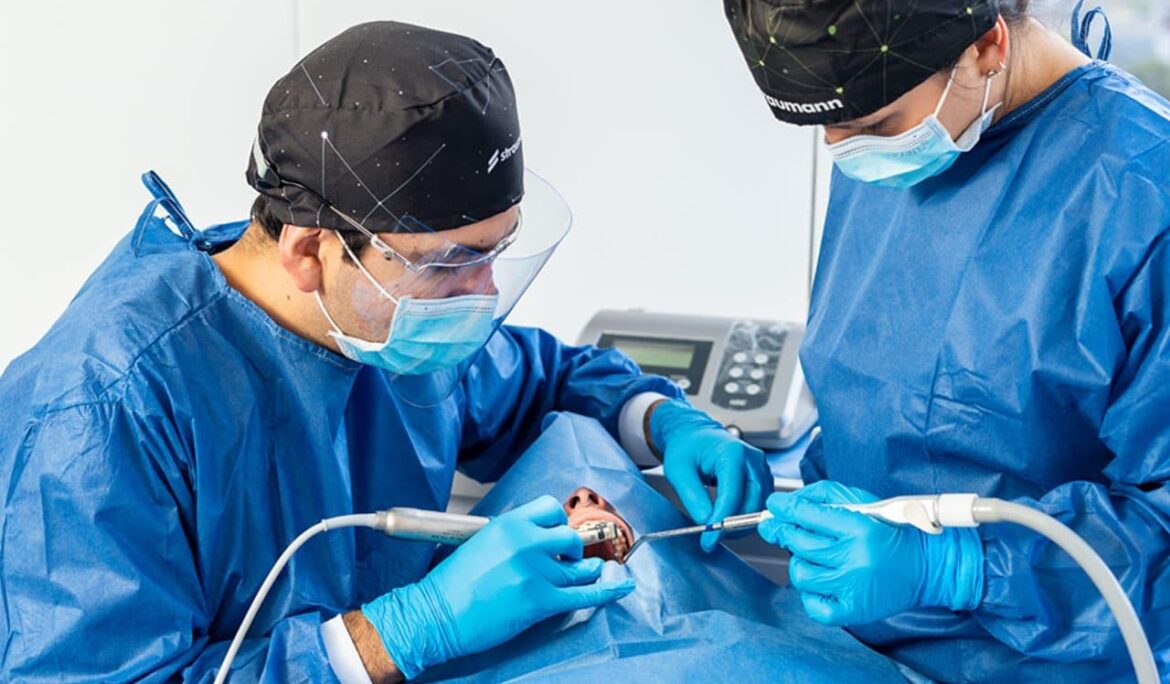
Advanced Dental Courses in India for International Dentists
If you are searching for advanced dental courses in India for international dentists, you are asking the right question at the right time. More dentists from the Middle East, Africa, Europe, Australia and Southeast Asia are now travelling to India to sharpen their surgical and restorative skills. The reason is simple: India offers high patient volumes, experienced mentors and training built around real cases. Whether you want advanced dental training courses in India or focused clinical dental courses for foreign dentists, this guide will help you decide what to look for and how to plan your trip.
Why Are Dentists Around the World Choosing India for Further Training?
India treats an enormous number of dental patients every year, and that clinical exposure is hard to match elsewhere. A dentist who trains here often sees more varied cases in a few weeks than they might see in months back home. Mentors handle complex situations daily, from bone loss to full-arch cases, so you learn how to solve problems, not just manage ideal scenarios.
Cost matters too. Course fees, accommodation and daily expenses are usually far lower than comparable programs in the US or Europe. That means a smaller investment for the same level of hands-on learning. For many clinicians, this makes advanced education possible without taking on heavy debt.
What Makes Advanced Dental Training in India Different From a Normal Workshop?
A typical weekend seminar gives you slides, a few demonstrations and a certificate. Good advanced dental training courses in India go further by putting you beside the chair, watching live procedures and then performing steps under supervision. The goal is confidence, not just information.
Most quality programs also keep batches small. When only a handful of participants share one mentor, you get time to ask questions, repeat techniques and receive direct feedback. You can browse the full list of advanced dental training courses in India to compare topics, duration and format before you decide.
Who Should Join Clinical Dental Courses for Foreign Dentists?
These programs suit a wide range of professionals. General dentists who want to add implants or aesthetic work to their practice are the largest group. Recent graduates often join to gain the chairside confidence that university training sometimes lacks.
Specialists benefit as well, especially those who want to refine digital workflows or full-arch protocols. If you are an overseas graduate preparing to expand your services, structured clinical dental courses for foreign dentists can give you a guided route into new procedures, with support for visiting clinicians.
Which Skills Can You Actually Learn in an Advanced Dental Course?
The most popular area is implant dentistry. This usually covers case selection, CBCT-guided planning, surgical placement, immediate loading and prosthetic steps. Many dentists also want to understand full-mouth rehabilitation, because it combines surgery, planning and long-term maintenance in one treatment journey. To see how this works in a clinic setting, read about full-mouth dental implants.
Beyond implants, advanced programs often include:
- Digital smile design and aesthetic planning, including smile designing and veneers
- Soft tissue management and bone grafting basics
- Modern endodontic techniques, including laser dentistry
- Treatment planning, patient communication and case documentation
Why Do Hands-On Dental Courses in India for International Dentists Deliver Better Results?
Reading about a technique and performing it are very different experiences. Hands-on dental courses in India for international dentists let you work through real clinical situations, which builds muscle memory and decision-making skills. You learn how tissue behaves, how to adjust when something unexpected happens and how to stay calm during surgery.
Live demonstrations add another layer. Watching a mentor explain each decision in real time shows you the reasoning behind the steps, not only the steps themselves. This kind of learning stays with you long after the course ends and directly improves the way you treat your own patients.
Can You Learn From Real Cases Before You Start?
Yes, and you should. Before enrolling, ask to see documented cases, outcomes and the type of patients the clinic treats. Reviewing before and after treatment cases gives you a realistic idea of the standard of work you will observe and learn from.
It also helps to understand how the clinic works with patients from abroad. Reading about the international patients journey shows how a practice handles communication, planning and follow-up across borders, which is valuable knowledge if you plan to treat overseas patients yourself.
How Do You Choose the Right Training Program Before Booking a Flight?
Start with the faculty. Look for mentors who actively treat patients, present at conferences and can explain their protocols clearly. A strong clinician who also teaches well is rare, so take time to research their background. For example, you can learn about the founder-mentor through the profile of Prof. Dr. Sharad Arya.
Next, check the format. Ask how many participants join each batch, how many hours are practical and whether you will assist or perform procedures under supervision. Finally, confirm the practical details such as dates, fees, refund terms and what is included. Clear answers before you travel save stress later.
What Should You Know About Certificates and Credentials?
This is an important point that many dentists overlook. Short clinical training programs are designed for skill development, not as formal degrees. A participation certificate shows that you completed training, but it does not replace your dental registration or give you new legal rights to practise.
Before you enrol, ask the academy to state clearly what the certificate represents. Also check the rules in your own country, since some regulators have specific requirements for advanced procedures. Being informed protects your career and keeps your expectations realistic.
How Can You Combine Training With Travel Planning?
Most visiting dentists choose a program lasting from a few days to a few weeks. Plan your visa early, because processing times differ by country, and book accommodation close to the clinic to reduce daily travel. Many dentists also add a few extra days to rest and see some of the region.
If you are curious about how India supports visitors who travel for dental care, the page on dental tourism in India explains how travel, treatment and stay are usually organised. The same planning mindset helps when you are the one travelling to learn.
What Are the Most Common Mistakes Dentists Make When Choosing a Course?
The biggest mistake is choosing on price alone. A cheaper course with large groups and mostly lectures rarely builds real skill. The second mistake is ignoring follow-up support. Learning does not end on the last day, so ask whether mentors will answer questions when you return to your clinic.
Another common error is joining a program that is too advanced too soon. If you have never placed an implant, start with fundamentals and build up. Being honest about your current level gives you better results and keeps patients safe once you begin applying new techniques.
Frequently Asked Questions About Advanced Dental Courses in India
1. Are advanced dental courses in India open to international dentists?
Yes. Many academies welcome dentists from other countries, provided they hold a valid dental qualification and registration. Always confirm eligibility and required documents with the academy before applying.
2. How long do clinical dental courses for foreign dentists usually last?
Duration varies by topic. Short intensive programs may run a few days, while in-depth implant training can extend over several weeks or be split into modules. Choose the length that fits your schedule and learning goals.
3. Do I need a visa to attend a dental course in India?
Most international visitors need a visa, and the right category depends on your nationality and the nature of your stay. Check the current rules on the official Indian government visa portal and apply well ahead of your travel date.
4. Will I get to treat patients during the course?
It depends on the program. Some courses focus on observation and demonstrations, while others allow supervised practice. Ask exactly how much practical work you will perform and what your registration status allows.
5. Is the certificate recognised by my country’s dental council?
In most cases, short training certificates are proof of participation only and are not a statutory qualification. Contact your national dental authority to understand how such training is viewed locally.
6. How much do advanced dental training courses in India cost?
Fees depend on the topic, duration and level of hands-on involvement. Ask for a written breakdown that includes course fees, materials and any extra charges, and confirm the refund policy before paying.
7. What should I bring with me?
Carry your dental registration proof, passport, visa documents, a professional photo ID and any case records you want feedback on. Ask the academy whether loupes, instruments or specific attire are required.
Ready to Take Your Clinical Skills Global?
Your Quick Decision Checklist Before You Enrol
Choosing the right program is easier when you break it into clear steps. Use the points below as a simple guide.
Check the Mentor’s Real Clinical Experience
Pick a program led by clinicians who treat patients daily, not only teach in theory.
Confirm the Amount of Practical Training
Ask how many hours you will spend watching, assisting and performing procedures.
Understand the Certificate and Your Local Rules
Know what the certificate means and what your own dental council allows.
Plan Travel, Visa and Stay in Advance
Secure your documents and accommodation early so you can focus fully on learning.
If you are ready to take the next step, book an appointment for a one-to-one discussion about your goals and the right course for your experience level. You can also read more about the clinic’s global presence, explore more guides on the dental blog, or book your consultation here. With small batches, live clinical exposure and mentorship that continues beyond the classroom, Esthetica Dental Academy helps international dentists turn new knowledge into confident, everyday practice.
Advanced Dental Courses in India for International Dentists
2-Day
Implantology
An intensive introduction for dentists who want to understand the complete implant workflow.
- ✓2 Days intensive training
- ✓Basic implantology concepts
- ✓Surgical kit demonstration
- ✓Hands-on training
- ✓Live implant surgery exposure
- ✓Certificate
Basic to Advanced
Comprehensive clinical training covering implant placement, bone grafting, sinus lift and prosthetic workflows.
- ✓5–7 Days training
- ✓Live patient surgeries
- ✓Implant placement
- ✓Bone grafting
- ✓Sinus lift
- ✓CBCT planning
- ✓Prosthetic workflow
Implant Diploma
Advanced structured training for dentists seeking deeper implant surgery and prosthetic exposure.
- ✓7 Days intensive program
- ✓15 implant procedures
- ✓Advanced surgery
- ✓Bone management
- ✓Sinus lift
- ✓Prosthetic rehabilitation
- ✓Extended mentorship
Customize Your
Course
Need a program designed around your specific clinical requirements? Build a customized implantology training plan with our team.
- ✓Choose your training duration
- ✓Select specific clinical procedures
- ✓Personalized learning objectives
- ✓Hands-on clinical exposure
- ✓Advanced implantology topics
- ✓Individual mentorship options