








Smile Makeover: Dental Veneers in India for New Zealand Patients
Thinking about dental veneers in India for New Zealand patients? You are in good company. A growing number of Kiwis are packing their bags for a smile they have wanted for years, because cosmetic dental work back home can cost a small fortune and is rarely covered by public funding. This guide explains how the process works, what shapes the price, and how to plan your trip with confidence. By the end, you will know whether a smile makeover in India for New Zealand patients fits your goals and your budget.
Veneers can fix chips, stains, gaps and uneven edges in just a few visits, so combining treatment with a short trip is appealing. Still, a decision this personal deserves clear and honest information. Let’s go through it together, one question at a time.
Why Are So Many Kiwis Flying to India for a Brand-New Smile?
In New Zealand, adult dental care is mostly paid out of pocket, and cosmetic work such as veneers is not covered by public funding or ACC unless it follows an accident. When a set of front teeth can add up to several thousand dollars, many people put the treatment off for years. That long wait is exactly why overseas options start to look attractive, especially when the savings can help cover flights and accommodation.
Price is only part of the story, though. India has a large pool of trained cosmetic dentists, modern digital equipment and shorter waiting times than many busy clinics offer at home. Add English-speaking staff and a growing medical travel industry, and it is easy to see why cosmetic dentistry in India for New Zealand patients has become a real topic of conversation among Kiwis planning a smile upgrade.
What Are Dental Veneers, and Could They Be Right for You?
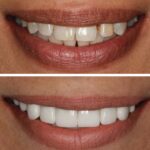
Dental veneers are thin shells, usually made of porcelain or composite resin, that bond to the front surface of your teeth. Think of them as a tailored cover that reshapes colour, size and symmetry all at once. Because they sit only on the visible side of the tooth, much of your natural tooth structure stays in place.
Veneers tend to suit people with stubborn stains that whitening cannot lift, small chips, minor gaps, slightly short teeth or worn edges. They are less suitable if you have untreated gum disease, active decay or heavy teeth grinding that has not been managed. A proper examination, with X-rays and an honest chat about your goals, decides whether you are a good candidate. To see what is possible, you can read more about smile designing, laminates and veneers before your visit.
Porcelain, Composite or Ultra-Thin: Which Veneer Is Best for Your Smile?
Porcelain veneers are the most popular choice for a lasting result. They resist staining, reflect light much like natural enamel and, with good care, often last around ten to fifteen years or more. They usually take more than one appointment because they are made in a dental lab to match your teeth.
Composite veneers are built directly onto the tooth using tooth-coloured resin, so they can often be finished faster and cost less. The trade-off is that they may stain or chip sooner and often need repair or replacement earlier. Ultra-thin, minimal-preparation options also exist, but they only suit certain cases. A good dentist will explain each option openly rather than push the priciest one.
How Much Do Dental Veneers Cost in India for New Zealand Patients?
The dental veneers cost in India for New Zealand patients depends on the material, the number of teeth, the lab used and how complex your case is. As a rule, the per-tooth price is noticeably lower than quotes you would receive at home. However, the cheapest offer is not always the best value, so always ask exactly what the price includes.
Before you compare quotes, ask these questions:
- Does the quote cover consultation, X-rays and a digital smile design?
- Which type and brand of veneer material will be used?
- Are temporary veneers, follow-up visits and adjustments included?
- What happens if a veneer chips or comes loose after you return home?
A clear written estimate, in Indian rupees or New Zealand dollars, protects you from nasty surprises. Remember to add flights, accommodation, local travel and a little buffer time to your overall budget. Even after those extras, many patients find the total comes out well below what the same work would cost in New Zealand.
Is Cosmetic Dentistry in India Safe for Kiwi Travellers?
Safety is the first worry for most people, and it is a fair one. The good news is that you can check a lot before you book. Look for qualified dentists with postgraduate degrees, a clinic that follows strict sterilisation steps, and modern tools such as digital scans and CBCT imaging. Reviews from international patients are also useful because they describe an experience similar to yours.
Communication matters as much as equipment. A good clinic answers your messages quickly, shares before-and-after cases and offers a video consultation before you travel. If a clinic promises perfect results or pressures you to pay quickly, treat that as a red flag. Cosmetic dentistry in India for New Zealand patients works best when you feel informed and never rushed.
What Will Your Smile Makeover Journey Look Like from Start to Finish?
Most journeys begin online. You share photos and X-rays if you have them, explain what bothers you about your smile, and receive an initial opinion and estimate. A video call usually follows so you can meet the dentist, ask questions and talk about timing. Planning like this saves precious days once you land.
On arrival, your first appointment typically involves a full check-up, scans and a digital preview of your new smile. Teeth are then gently prepared, impressions or scans are taken, and temporary veneers keep you looking good while the final set is crafted. A few days later, the permanent veneers are fitted, adjusted for comfort and bite, and polished. Most visitors plan about a week to ten days, although your dentist will confirm the exact timing for your case.
The nearest major airport to Mohali is Chandigarh International Airport, which keeps arrival simple for many travellers. You can also explore how dental tourism in India works to see what international patients can expect before you book flights. Mixing treatment with a little downtime lets you enjoy the trip rather than just get through it.
How Do You Look After Veneers Once You Are Back Home in New Zealand?
Veneers are strong, but they are not indestructible. Brush twice a day with a soft toothbrush, floss daily and use a non-abrasive toothpaste. Avoid biting hard objects such as ice, pens or fingernails, and try not to open packaging with your teeth. If you grind your teeth at night, a custom night guard is a smart way to protect your investment.
Regular check-ups with a local dentist in NZ help catch small problems early. Keep copies of your treatment records, X-rays and material details so any dentist back home can understand your work. Staying in touch with your treating clinic for follow-up advice also gives you peace of mind. Small habits, repeated over the years, keep your smile makeover in India for New Zealand patients looking fresh.
Frequently Asked Questions
1. How long do dental veneers last?
Porcelain veneers often last ten to fifteen years or longer with good care, while composite veneers usually last around five to seven years. Your daily habits, such as grinding, nail biting or chewing ice, make a big difference. Regular dental check-ups also help your veneers last longer.
2. How many days do I need to stay in India for veneers?
Most patients plan for roughly a week to ten days, depending on how many teeth are treated and the material chosen. Complex cases may need extra time. Ask your dentist for a clear schedule before you book flights.
3. Is the veneer procedure painful?
Local anaesthesia is normally used while your teeth are prepared, so you should feel pressure rather than pain. Some people notice mild sensitivity for a few days afterwards, which usually settles. Tell your dentist if anything feels uncomfortable.
4. Can I get veneers if I have cavities or gum problems?
Usually, these issues need to be treated first. Veneers placed over untreated decay or inflamed gums are unlikely to last. A full check-up will show whether you need other treatment before your smile makeover begins.
5. Will my veneers look natural?
They can, when shade, shape and size are carefully matched to your face and remaining teeth. A digital smile preview helps you see the likely outcome and ask for changes before treatment starts. Clear communication with your dentist is the key to a natural result.
6. What if a veneer chips after I return to New Zealand?
Contact your treating clinic first and send photos so they can advise you. A local dentist can also offer a temporary fix. Ask about repair and follow-up policies before you commit, so you know what support to expect.
7. Are dental veneers reversible?
Porcelain veneers are generally considered irreversible, because a thin layer of enamel is usually removed to make room for them. Some minimal-preparation options remove less. Discuss this openly with your dentist before you decide.
Ready for Your Smile Makeover? Here Is Your Simple Roadmap
Your 4-Step Plan to a Confident Smile
Step 1: Share Your Smile Goals
Send clear photos, mention your concerns and tell the dentist what kind of smile you imagine.
Step 2: Get a Written Treatment Plan and Quote
Ask for a breakdown of materials, number of teeth, visits and follow-up care.
Step 3: Plan Travel Around Your Treatment Timeline
Book flights and accommodation only after the dentist confirms how many days you need.
Step 4: Prepare Your Aftercare Back Home
Collect your records, learn your care routine and book a check-up with a local dentist.
If you are ready to take the next step, book your one-to-one consultation today and tell us what you would like to change about your smile. At Esthetica Advanced Dental Clinic in Mohali, international patients can discuss their goals through personalised consultations and 3D treatment planning before any treatment begins. Your dream smile is closer than you think, so reach out and start planning your journey.