







All-on-X Course in India for Foreign Dentists | Implant Training
If you are a dentist outside India who wants to treat edentulous patients with confidence, the All-on-X course for foreign dentists in India is worth a serious look. Full-arch rehabilitation is one of the fastest-growing areas in implant dentistry, yet many clinicians hesitate because they never had enough supervised, practical exposure. Structured All-on-X implant training in India closes that gap by combining planning, surgery, prosthetics and patient communication in one learning journey. In this guide, you will see what such a program covers, who benefits most, what to check before enrolling and the questions dentists ask most often. You can also explore the full International Dentist Training Program in India to see every pathway in one place.
Why Are Overseas Dentists Choosing India for Implant Training?
India treats a large number of complex implant patients every year, which means trainees see real situations rather than textbook perfection. You observe bone deficiencies, medically compromised patients, immediate-load decisions and prosthetic challenges as they happen. That exposure builds judgment, and judgment is what separates a dentist who places implants from one who manages full-arch cases predictably.
Cost is another reason. Training, accommodation and travel often come out far lower than comparable programs in North America, Europe or Australia. Many participants also like the mentor-driven style, where clinicians who work on these cases daily explain their decisions step by step instead of reading slides.
There is also the practical side: English-medium teaching, small batches and the chance to build a network with dentists from several countries. For many professionals, a dental implant course in India for international dentists becomes both a clinical upgrade and a career milestone.
What Is the All-on-X Concept, Explained Simply?
All-on-X is a flexible umbrella term for full-arch protocols that support a fixed prosthesis on a limited number of implants. The best-known versions are All-on-4 and All-on-6, and the X simply means the number of implants is chosen according to the patient, not forced into a template. Bone quality, arch shape, occlusion, jaw anatomy and budget all influence that decision.
For the patient, the appeal is clear. Fewer implants can mean less grafting, shorter treatment time and, in suitable cases, a fixed provisional on the day of surgery. For the dentist, the challenge is knowing when the concept fits and when it does not. A good course teaches both sides honestly, including how to say no to a case that is not suitable.
What You Will Learn in All-on-X Implant Training in India
While each program differs, a well-designed full-arch course usually covers these areas:
- Diagnosis and case selection: reading CBCT scans, judging bone volume and identifying risk factors early.
- Treatment planning: deciding between four, six or more implants and planning angulation and distribution.
- Surgical protocols: flap design, osteotomy preparation, tilted implants and primary stability.
- Immediate loading concepts: when to deliver a provisional and how to protect healing.
- Prosthetic rehabilitation: screw-retained designs, occlusion, material choices and finishing.
- Digital workflows: guided surgery, digital impressions and prosthetic planning software.
- Complication management: handling failures, fractures, soft-tissue issues and maintenance.
- Patient communication: explaining options clearly so that patients accept the right treatment.
The last point is often underrated. Even the best surgical skill does not help if you cannot present a full-arch plan with confidence. Learning how to explain cost, timeline and expectations is as valuable as learning the technique.
Full Arch Implant Course for Foreign Dentists: Who Should Enroll?
A full arch implant course for foreign dentists suits several types of clinicians. General dentists who already restore implants and want to place them will find it a natural next step. Dentists who place single implants but avoid complex cases can use the program to build confidence in a safe, supervised setting. Prosthodontists and periodontists often join to refine their digital workflow and compare protocols with peers.
Beginners are welcome in many structured programs, as the learning moves progressively from fundamentals to advanced concepts. Eligibility generally requires a BDS, DDS, DMD or equivalent degree, though specific requirements can vary by course. If you are unsure where you stand, begin with the free clinical learning resources before committing to a hands-on batch.
Hands-On Training vs Theory-Only Courses: Why It Matters
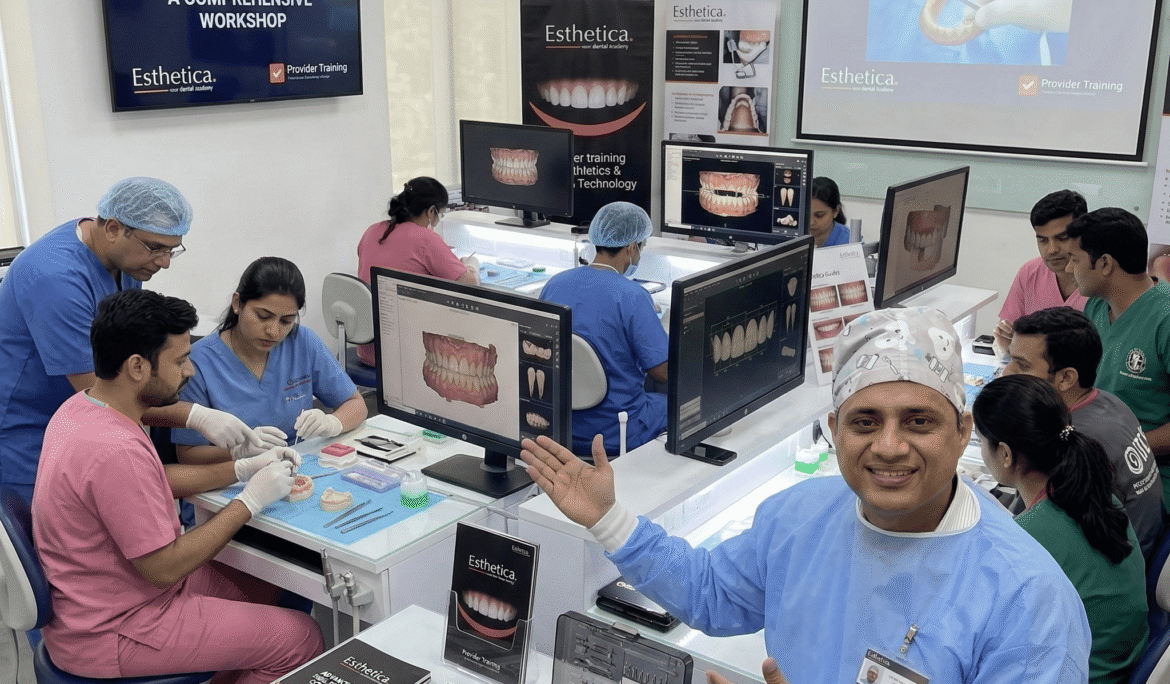
Online lectures and weekend seminars give you knowledge, but implant dentistry is a skill discipline. Your hands need repetition, and your eyes need to recognize what a good osteotomy or a well-seated abutment looks like. Hands-on training typically combines live demonstrations, simulation on models and supervised clinical sessions, depending on the course you pick.
When you compare programs, ask a few direct questions. How many participants share one mentor? Will you perform procedures or only observe? Is the digital workflow taught practically? Is there follow-up support once you return to your own clinic? Honest answers will tell you far more than a brochure.
Training Options for Dentists From Canada, USA, Australia and Germany
Dentists from different regions face different regulatory and patient-demand realities, so country-focused programs can make planning easier. Pathways exist for Canadian, American, Australian and German dentists, each covering All-on-4, All-on-6, All-on-X and a broader full-arch mastership format. For example, American dentists can review the All-on-X training program in the USA, while those who want a deeper, advanced track can look at the Full Arch Mastership Program.
If you are still comparing options beyond implants, the wider dental academy courses in India page shows other clinical subjects you can combine with your implant learning.
Things to Check Before You Enroll
First, understand what the certificate means. Most continuing-education programs, including this type of training, are designed for skill development and mentorship. They are generally not a degree, diploma or residency, and they do not grant a license or registration to practise. Your right to treat patients in your own country still depends entirely on your existing registration and local rules. Always verify this with your regulatory body.
Second, ask about duration, batch dates, fees, accommodation and visa support in writing. Third, confirm the refund policy, since academy and registration fees are often non-refundable. Finally, plan your travel with a buffer so that you can focus on learning without stress.
Curious about how Indian clinics treat patients who travel for care? The dental tourism in India page offers useful background on the patient side of the same ecosystem.
Frequently Asked Questions
1. Can a beginner join an All-on-X course in India?
Yes, many programs welcome dentists with limited implant experience. The curriculum usually begins with diagnosis, planning and basic surgical principles before moving to full-arch protocols.
2. How long is an All-on-X implant training program?
Duration depends on the format. Short workshops may last a few days, while mastership programs run longer and include more clinical exposure. Always confirm the schedule before booking travel.
3. Will I get hands-on experience or only lectures?
Quality programs mix live demonstrations, model-based practice and supervised clinical sessions. Check how many procedures you will personally perform.
4. Is the certificate valid for practising in my country?
The certificate shows participation in a training program. It is not a statutory qualification, so your ability to practise depends on your existing license and local regulations.
5. What is the difference between All-on-4, All-on-6 and All-on-X?
All-on-4 uses four implants per arch, All-on-6 uses six, and All-on-X lets the clinician choose the number based on bone, anatomy and the prosthetic plan.
6. Do I need to know digital dentistry before joining?
No. Good courses introduce CBCT planning, guided surgery and digital prosthetic workflows from the basics, so you can learn at a comfortable pace.
7. Can foreign dentists get help with visas and accommodation?
Many academies guide international participants on accommodation and visa paperwork. Contact the admissions team early so that you have enough time for approvals.
Your Next Step Toward Confident Full-Arch Dentistry
Full-arch implant dentistry rewards dentists who prepare well, practise under supervision and communicate clearly with patients. If you are searching for a reliable All-on-X course for foreign dentists, focus on mentorship quality, hands-on exposure and transparent information about certification. Take your time, compare options, ask questions and choose a program that fits your experience level and professional goals.
Ready to begin? Call 9817230279, send a WhatsApp message or fill in the enquiry form to ask about upcoming batches, fees and eligibility. Your first confident full-arch case could be closer than you think, and the team at Esthetica Advanced Dental Academy is ready to guide you through every step.
All-on-X Course in India for Foreign Dentists and Implant Training
Open to International Dentists
Free Pre-Course Consultation | Limited Seats Per Batch
2-Day
Implantology
An intensive introduction for dentists who want to understand the complete implant workflow.
- ✓2 Days intensive training
- ✓Basic implantology concepts
- ✓Surgical kit demonstration
- ✓Hands-on training
- ✓Live implant surgery exposure
- ✓Certificate
Basic to Advanced
Comprehensive clinical training covering implant placement, bone grafting, sinus lift and prosthetic workflows.
- ✓5–7 Days training
- ✓Live patient surgeries
- ✓Implant placement
- ✓Bone grafting
- ✓Sinus lift
- ✓CBCT planning
- ✓Prosthetic workflow
Implant Diploma
Advanced structured training for dentists seeking deeper implant surgery and prosthetic exposure.
- ✓7 Days intensive program
- ✓15 implant procedures
- ✓Advanced surgery
- ✓Bone management
- ✓Sinus lift
- ✓Prosthetic rehabilitation
- ✓Extended mentorship
Customize Your
Course
Need a program designed around your specific clinical requirements? Build a customized implantology training plan with our team.
- ✓Choose your training duration
- ✓Select specific clinical procedures
- ✓Personalized learning objectives
- ✓Hands-on clinical exposure
- ✓Advanced implantology topics
- ✓Individual mentorship options