








Dental Courses in India for International Dentists: Guide
Imagine finishing your BDS, working in practice for a few years, and still feeling unsure when a complex implant case walks through the door. You are not alone. Many dentists search for dental courses in India for international dentists because the country offers something rare: a large patient flow, supervised hands-on work and training costs far below what you would pay in Europe, North America or Australia. This guide explains what is available, what to ask and how to avoid common mistakes before you book a flight.
Why Are Dentists from Abroad Choosing India for Clinical Training?
Clinical confidence comes from repetition, and repetition needs patients. India’s dental caseload is large, so trainees meet failing root canals, missing teeth, worn-out dentures and cosmetic concerns within days rather than months. Many overseas dentists say the same thing: courses at home taught them the steps but never the judgment. Watching and performing dozens of real cases in a short window builds that judgment faster than any slide deck.
Cost is the second reason. Tuition, accommodation and food are generally lower than in the UK, USA, Canada or Australia, so a focused trip can fit a sensible budget. English is widely used in clinical teaching, which removes the language barrier. Add a friendly dentist community and a chance to explore a new country, and the trip becomes more than a certificate.
Which Dental Courses in India for Foreign Dentists Are Worth Your Time?
Not every programme suits every dentist. The best dental courses in India for foreign dentists are grouped by skill level, so you can start where you are rather than where a brochure wants you to be. Most academies cover general dentistry, endodontics, prosthodontics, oral surgery, smile design and implantology, with options running from a single day to several months.
If you are newer to practice, a general dentistry or beginner implant programme builds the base. If you already place implants, you may prefer full-arch rehabilitation or complex case planning. Dentists who want a cosmetic edge often add a smile design course, which is among the most requested short programmes. Choose the level that stretches you slightly without leaving you lost.
Advanced Dental Implant Courses in India: What You Will Actually Learn
Implantology is the most popular reason overseas dentists travel here, and for good reason. Good advanced dental implant courses in India go beyond placing a fixture. They teach case selection, bone assessment, treatment planning, surgical flow, prosthetic design and complication management, so the whole journey makes sense, not only the surgery.
Look for programmes that scale with your experience. A common ladder runs from observation and basic placement to multi-surgery fellowships and long residencies. For example, an implant fellowship with 10 surgeries lets you handle multiple cases under guidance, while shorter formats suit dentists who only have a week to spare. The more supervised cases you complete, the more predictable your results at home.
Dental Implant Training for International Dentists: Live Surgery or Just Observation?
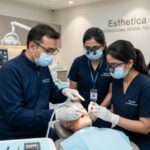
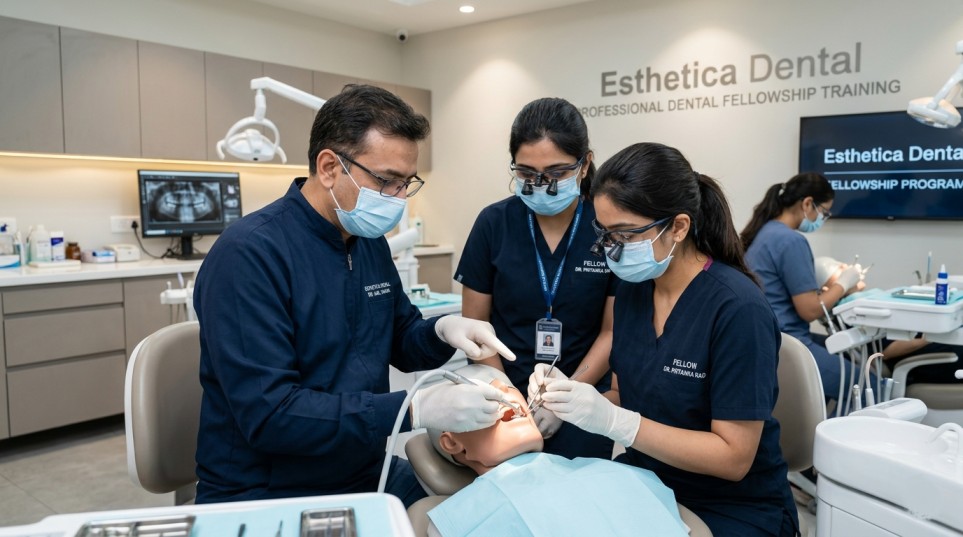
This is the question that separates good programmes from average ones. Dental implant training for international dentists should clearly state how many procedures you will perform yourself and how many you will only watch. Observation has value, especially on day one, but confidence only arrives when your own hands do the work with a mentor beside you.
Ask direct questions before paying. How many surgeries are guaranteed? Who supplies the patients? What happens if a case is cancelled? A programme with a live implant surgery component is a good starting point for dentists who want to see the full clinical workflow and then decide how far to go. Clear answers are a sign of an honest academy.
Full-Arch, Tilted and Zygomatic Implants: Skills That Set You Apart
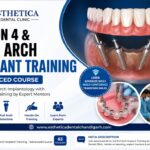
Once basic placement feels comfortable, advanced rehabilitation is where income and reputation grow. Full-arch cases change patients’ lives, and fewer dentists can deliver them well. Training in an All-on-4 protocol teaches immediate loading concepts for patients with little or no remaining dentition, while related protocols such as All-on-6 add structure and stability.
For severe bone loss, tilted and zygomatic techniques help you avoid extensive grafting. A dedicated zygomatic implant course is ultra-advanced, so it usually suits dentists who already have solid surgical experience. Treat these as step-two or step-three skills, and do not rush them.
Smile Design and Cosmetic Dentistry: A Short Course with Big Returns
Not every dentist wants to focus on surgery. Cosmetic dentistry has become one of the fastest growing areas worldwide, and patients now arrive with photos, expectations and clear budgets. A smile designing course teaches facial analysis, shade selection, veneer and laminate planning and digital mock-ups, so your results look natural rather than overdone.
The appeal for travelling dentists is simple: cosmetic training can be completed in a short stay, and the skills transfer to almost any clinic. Pair it with a restorative or implant programme and you can offer a fuller range of treatments when you return home.
Preparing for ADC, NDBE and Other Licensing Exams
Many foreign-trained dentists are not just upgrading skills, they are preparing for licensing exams such as the ADC in Australia or the NDBE in Canada. Practical training helps here because exam questions test treatment planning and clinical reasoning, not just memory. Seeing real cases makes those answers feel natural.
If exams are your goal, ask whether the academy offers exam-oriented guidance alongside hands-on sessions. Mentors who understand the exam format can show you how to connect everyday procedures with the logic examiners look for. Hands-on training supports your preparation, but it does not replace formal exam study.
How to Pick the Right Programme: A Practical Checklist
Before you commit, compare academies on facts rather than promises. First, check the mentors: how many years do they practise, and do they treat patients daily? Second, confirm the number of live procedures you will personally perform. Third, ask about batch size, because smaller groups mean more time with the instructor.
Next, read reviews from dentists who trained there, ideally from your own region. Request a clear fee breakdown covering tuition, materials and any extra charges. Finally, check the refund policy in writing, since many academies treat registration fees as non-refundable. Taking an hour for this research can save you months of regret.
Before You Travel: Paperwork, Registration and Expectations
Be realistic about what a short training programme gives you. Most clinical training programmes are continuing education, not a degree, diploma or licence recognised by a national dental council. A certificate shows participation and skill development, but it does not grant permission to practise independently in India or anywhere else.
Plan the practical side early. Check visa rules for training visits, arrange accommodation near the clinic and confirm what the academy supplies, such as instruments and materials. Ask what supervised work you are allowed to do under your own registration. Clear expectations make the whole trip smoother and protect you legally.
Top FAQs About Dental Courses in India for International Dentists
1. Can foreign dentists take dental courses in India?
Yes. Many academies welcome overseas dentists for short, hands-on programmes in implantology, cosmetic dentistry, endodontics and general dentistry. Always confirm entry requirements and visa rules with the academy before you plan your trip.
2. Which are the best dental implant courses in India for beginners?
Start with a one- or two-day foundation course that covers case selection and basic placement, ideally with live surgery observation. Move on to multi-surgery programmes once you feel comfortable with the basics.
3. How long do dental courses in India for international dentists last?
Durations vary from a single day to several months. Short programmes suit travelling dentists, while fellowships and mini residencies need a longer stay or several visits.
4. Will I perform surgeries myself or only observe?
It depends on the programme. Some courses are observation-only, while others guarantee a set number of supervised procedures. Ask for the exact number in writing before you pay.
5. Are these courses recognised for practising dentistry in India?
Usually not. Most academy programmes are continuing professional development and are not statutory qualifications. Your right to practise depends on your own dental registration and local regulations.
6. How much do dental courses in India cost for foreign dentists?
Fees depend on the programme, duration and number of procedures. Many dentists find the total cost lower than similar training abroad. Request a full written fee breakdown, including materials and accommodation.
7. Can this training help me prepare for ADC or NDBE?
It can strengthen your clinical reasoning and treatment planning, which helps with exam scenarios. Treat it as a supplement to formal exam preparation, not a replacement.
Ready to Upgrade Your Clinical Skills? Take the Next Step Today
The right training can change how you practise, how patients trust you and how confidently you accept complex cases. Take time to compare programmes, ask direct questions and choose a path that matches your experience. If you want mentorship from clinicians who work with patients every day, Esthetica Advanced Dental Academy offers structured, hands-on programmes for dentists from around the world. Call or WhatsApp 9817230279 or book a one-to-one consultation today to find the programme that fits your goals.
Dental Courses in India for International Dentists Training
Open to International Dentists
Free Pre-Course Consultation | Limited Seats Per Batch
2-Day
Implantology
An intensive introduction for dentists who want to understand the complete implant workflow.
- ✓2 Days intensive training
- ✓Basic implantology concepts
- ✓Surgical kit demonstration
- ✓Hands-on training
- ✓Live implant surgery exposure
- ✓Certificate
Basic to Advanced
Comprehensive clinical training covering implant placement, bone grafting, sinus lift and prosthetic workflows.
- ✓5–7 Days training
- ✓Live patient surgeries
- ✓Implant placement
- ✓Bone grafting
- ✓Sinus lift
- ✓CBCT planning
- ✓Prosthetic workflow
Implant Diploma
Advanced structured training for dentists seeking deeper implant surgery and prosthetic exposure.
- ✓7 Days intensive program
- ✓15 implant procedures
- ✓Advanced surgery
- ✓Bone management
- ✓Sinus lift
- ✓Prosthetic rehabilitation
- ✓Extended mentorship
Customize Your
Course
Need a program designed around your specific clinical requirements? Build a customized implantology training plan with our team.
- ✓Choose your training duration
- ✓Select specific clinical procedures
- ✓Personalized learning objectives
- ✓Hands-on clinical exposure
- ✓Advanced implantology topics
- ✓Individual mentorship options