









Short Term Dental Courses India for Foreign Dentists: Your Complete Training Guide
Many dentists practicing abroad reach a point where textbooks and weekend webinars stop being enough. You want to place implants with calm confidence, plan a smile makeover from start to finish, or complete a tricky root canal without second-guessing yourself. That is exactly why short term dental courses India for foreign dentists have become such a popular choice. India offers a huge patient flow, mentors who treat complex cases every day, and training costs that sit far below comparable programs in Europe, North America, or Australia. In this guide, you will learn what these courses cover, how they work, what to verify before you travel, and how to pick a program that truly adds to your clinical skills.
Why Are More Foreign Dentists Choosing India for Clinical Training?
The simple answer is exposure. A dentist in a quiet suburban practice abroad may place a handful of implants each month. A busy Indian clinic can see that number in a single week. More cases mean more chances to watch, assist, and eventually perform procedures under guidance, which is how real confidence is built.
Cost is the second reason. Short term dental courses in India usually bundle clinical training, materials, and mentorship at a fraction of what private courses charge in the West. Add affordable accommodation and food, and the total trip often costs less than a single advanced course at home.
The third reason is variety. Within one program you may see single implants, bone grafting, full mouth rehabilitation, laminates, and surgical extractions. That range is hard to find in a classroom setting anywhere else.
Which Short Term Dental Courses in India Are Most in Demand?
Not every course suits every dentist. Here are the areas international participants ask about most often.
Implantology. This is the clear favorite. Programs range from a one-day foundation session to multi-surgery fellowships where you follow cases from planning to prosthetic delivery. If you are new to implants, begin with case selection and treatment planning before moving to surgery.
Full arch rehabilitation. Techniques such as All-on-4, All-on-6, and tilted implants help patients with failing dentition get fixed teeth quickly. Dentists who add these skills often become the referral point in their area.
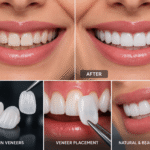
Smile designing. Veneers, laminates, and digital smile planning attract dentists who want to grow a cosmetic practice. A good course teaches the science of tooth preparation along with the art of facial harmony.
Endodontics. Microscope-assisted root canals, retreatment, and rotary instrumentation are popular with general dentists who want fewer failed cases.
Oral surgery and prosthodontics. Impacted tooth removal, flap design, crowns, bridges, and dentures round out the skill set of a complete clinician.
What Makes Dental Training Courses for Foreign Dentists Different From Regular Programs?
Standard Indian courses are often designed for local graduates who already know the healthcare system. Dental training courses for foreign dentists are built around different needs. Participants usually have limited days, a licensed background in another country, and a clear goal: bring home a specific skill.
Because of that, the better programs offer flexible start dates, compact schedules, and one-to-one mentoring rather than large lecture halls. Many also arrange support for travel documents, local stays, and airport pickups. Language is rarely a barrier, since clinical instruction in India is typically delivered in English.
The other major difference is expectation setting. A well-run program will tell you clearly what you can do hands-on, what you will observe, and what the certificate does and does not mean in your home country. Honest answers at this stage save you a lot of frustration later.
Advanced Dental Courses in India for International Dentists: What Can You Actually Learn?
If you already have a few years of experience, advanced dental courses in India for international dentists can take you well beyond routine care. Typical advanced topics include immediate loading protocols, guided bone regeneration, sinus lift techniques, zygomatic implants for severe bone loss, and complete prosthetic workflows from impression to final restoration.
What separates a strong advanced course from a weak one is case depth. Ask whether you will see the whole journey of a patient: diagnosis, planning, surgery, healing, and final teeth. Watching only the surgical step teaches you far less than following a case from the first scan to the last smile.
Look for programs that teach complication management too. Every experienced surgeon knows that things sometimes go off plan. Seeing how a mentor responds to bleeding, low bone density, or a damaged nerve risk is worth more than a dozen polished slides.
Hands-On or Observation Only? Understand Live Patient Training Before You Book
This is the question every foreign dentist should ask first. Rules around practicing in India are strict, and a short course does not grant you a license to treat patients independently. In most cases, international participants learn through supervised work under the host clinic’s registered practitioners, through observation, and through practice on models.
A responsible academy will explain exactly which tasks you can perform and which you will watch. It should also tell you how many participants share each live case. If twelve people crowd around one patient, you will see very little. Smaller batches mean closer views and more guided practice.
Before you pay, request a written outline of the hands-on component. Ask who supervises you, how many cases you will see, and whether you will work on typodonts and simulation models before touching patient cases.
How Long Do These Programs Last, and What Do They Cost?
Duration varies widely. Some short term dental courses in India last a single day, while others run for a week, two weeks, or longer for fellowship-style training. A beginner foundation course may be enough if you simply want to understand the basics. A mastery program with multiple surgeries needs more days and more commitment.
Fees depend on the number of surgeries, the type of mentorship, and what the package includes. Instead of comparing only the headline price, ask for a written breakdown of what is covered:
- Tuition and clinical access
- Training materials and consumables
- Certificate and any assessment
- Accommodation or meals, if included
- Refund and rescheduling terms
Note that many academies treat registration fees as non-refundable, so read the payment terms carefully before transferring money.
Smart Checks Before You Travel: Visa, Certification, and Home-Country Rules
A little preparation makes the trip smoother. Start with your visa. The right category depends on your nationality and the nature of your stay, so confirm with the Indian embassy or consulate in your country rather than relying on a general answer from any institute.
Next, check what your certificate means. Most short programs award a certificate of participation for continuing professional development. That is useful for your portfolio and your learning, but it is generally not a degree, diploma, or statutory qualification. If your home regulator requires accredited continuing education credits, ask them in advance whether the course qualifies.
Finally, think about the rules where you practice. Some countries limit which procedures you can perform after training abroad, particularly surgery. Learning the skill is only half the story; applying it legally at home is the other half.
A Simple Checklist for Choosing the Right Dental Course in India
With so many options online, a short checklist keeps your decision grounded.
- Faculty experience: Are the mentors active clinicians with a verifiable record in the specialty you want?
- Case volume: Does the clinic treat enough patients to give you real exposure during your stay?
- Batch size: Smaller groups mean better visibility and more personal feedback.
- Transparent outcomes: Does the academy clearly state what you will do, what you will observe, and what the certificate represents?
- Support for travelers: Look for help with invitation letters, local stay, and airport transfers.
- Recent participant feedback: Speak to dentists from your own region who completed the program.
If a program promises guaranteed income or instant specialist status, treat that as a red flag. Skill grows with practice, and no short course can replace it.
Frequently Asked Questions
1. Which is the best short term dental course in India for foreign dentists?
There is no single best course; it depends on your goal. Implantology is the most requested subject, while smile designing and endodontics are popular with dentists building cosmetic or restorative practices. Match the course to the skill gap you feel most in daily work.
2. Can foreign dentists treat patients during a short course in India?
Independent treatment is generally not permitted without registration in India. Most programs offer supervised participation, observation of live cases, and practice on models. Always ask the academy to explain the exact scope in writing.
3. Which visa do I need for a dental training course in India?
The correct visa depends on your country, the length of your stay, and the type of training. Check with the Indian embassy or consulate, and ask the academy for an invitation or enrollment letter to support your application.
4. How long are short term dental courses in India?
Formats range from one-day workshops to programs lasting several weeks. Beginners often choose a compact foundation session, while experienced dentists may select longer, multi-surgery programs.
5. Will my certificate be accepted in my home country?
Most short course certificates confirm participation and do not replace a license or formal qualification. Contact your national dental board to learn whether the training counts toward continuing education credits.
6. Is India an affordable and safe place for dental training?
Training, food, and lodging cost far less than in most Western countries. As with any trip, book reputable accommodation, arrange reliable transport, and choose an academy that provides clear guidance for international guests.
7. Can a fresh graduate join a short term dental course in India?
Yes, many programs welcome recent graduates, especially foundation-level courses. If you have limited clinical experience, start with basics and progress step by step rather than jumping straight to advanced surgery.
Begin Your Clinical Growth With Esthetica Advanced Dental Academy
If you are ready to turn learning into practical skill, Esthetica Advanced Dental Academy in Mohali, within the Chandigarh Tricity region, offers programs designed for both new graduates and experienced practitioners. Courses span implantology from a one-day foundation to extended surgical training, full arch rehabilitation, smile designing, endodontics, and oral surgery, guided by Prof. Dr. Sharad Arya and Dr. Deepshikha. Please note that the academy’s certificate recognizes participation in professional development and is not a statutory qualification. To discuss dates, scope of hands-on work, and travel guidance for international dentists, contact the team at 9817230279 and plan a training trip that fits your goals.
Short-Term Dental Courses in India for Foreign Dentists
2-Day
Implantology
An intensive introduction for dentists who want to understand the complete implant workflow.
- ✓2 Days intensive training
- ✓Basic implantology concepts
- ✓Surgical kit demonstration
- ✓Hands-on training
- ✓Live implant surgery exposure
- ✓Certificate
Basic to Advanced
Comprehensive clinical training covering implant placement, bone grafting, sinus lift and prosthetic workflows.
- ✓5–7 Days training
- ✓Live patient surgeries
- ✓Implant placement
- ✓Bone grafting
- ✓Sinus lift
- ✓CBCT planning
- ✓Prosthetic workflow
Implant Diploma
Advanced structured training for dentists seeking deeper implant surgery and prosthetic exposure.
- ✓7 Days intensive program
- ✓15 implant procedures
- ✓Advanced surgery
- ✓Bone management
- ✓Sinus lift
- ✓Prosthetic rehabilitation
- ✓Extended mentorship
Customize Your
Course
Need a program designed around your specific clinical requirements? Build a customized implantology training plan with our team.
- ✓Choose your training duration
- ✓Select specific clinical procedures
- ✓Personalized learning objectives
- ✓Hands-on clinical exposure
- ✓Advanced implantology topics
- ✓Individual mentorship options