








Dental Implants After Age 60 | Benefits and Results Guide
Are 60-Year Olds Suitable Candidates for Dental Implants?
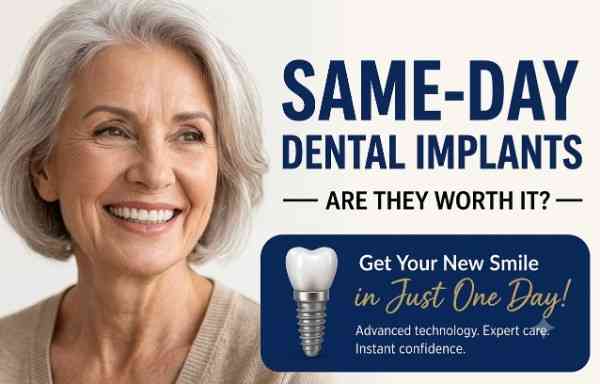
Having a healthy and confident smile is an important aspect in any age group. However, with time, tooth loss or problems with existing teeth may become a concern. Nonetheless, with proper planning, people in their 60s can use dental implants after age 60 to address tooth loss and other dental issues. Dental implants are prosthetic devices which allow patients to have replacement teeth fixed to the mouth to restore both aesthetics and functionality of a missing tooth or teeth. Age itself is not a decisive criterion in determining the suitability for implantation
Why Should You Choose Dental Implants After Age 60?
Tooth loss is often a consequence of aging or poor oral hygiene, but it affects the life of people in many ways. Apart from appearance, loss of teeth affects eating habits, speech, self-confidence and even everyday comfort. While traditional dentures can help in restoring the function, they still might cause problems for people such as slipping, additional pressure or inability to eat certain foods.
Dental implants after age 60 can solve all these problems by fixing an artificial implant into the jawbone and attaching to it either one or multiple replacement teeth. If the implant integrates with the bone tissue, it becomes a steady base for a prosthetic tooth or several teeth.
Potential advantages of implants include:
● Improved chewing – steady implants make eating various foods easier;
● Natural appearance – the implant-based restorations look similar to natural teeth
● Stability – implants help in reducing the mobility of removable dentures;
● Jawbone preservation – implants stimulate bone tissue regeneration while being used;
● Confidence – replacement teeth can make conversations and social interactions more comfortable.
Are Dental Implants After Age 60 Safe?
Another frequent worry that elderly patients have is the safety of implant surgery. For the majority of patients, implant surgery can be conducted safely after thorough examination. There is no fixed maximum age for dental implants.
In order to give a recommendation regarding dental implants after age 60 , a dentist will conduct the examination of your teeth and gums, ask you about your medical history, and perform dental X-rays or CBCT if needed.
What Is the Dental Implant Procedure Like?
It can be helpful for you to know the whole process of the procedure. Though each treatment is unique, there are a few stages of dental implant treatment in common.
1. First Visit and Examination
The dentist examines your teeth, gums, jaws, bone structure, bite, and your medical history. If needed, imaging of your jaws is done to see how much bone tissue you have and what is the condition of it.
2. Development of Individual Plan of Treatment
Depending on the examination, the dentist chooses the optimal implant position and type of restoration. You can also need some additional procedures like bone grafting, if you lack sufficient amount of bone tissue.
3. Placing of Implant
An artificial tooth root is surgically implanted in the jawbone under local anesthesia. In selected cases sedation can be provided.
4. Healing Period and Osseointegration
For the next months the jawbone is healed and integrates with the implant.
5. Replacement Teeth Placement
When the implant becomes strong enough, an artificial tooth is placed. The dentist tests the tooth for proper fit and appearance.
Everybody does not have the capability to have their replacement teeth placed immediately. The dentist will consider certain factors before placing the teeth.
How Long Do Dental Implants Last After 60?
Provided proper care, the lifespan of dental implants can be very long. Still, there is no warranty on them and the implant itself and its crown replacement have separate maintenance requirements.
Factors influencing the lifespan of the implants include poor oral hygiene, smoking, periodontitis, uncontrolled diabetes, bruxism, and regular dental visits. Age per se has no influence on it.
In order to keep your implants healthy, brush your teeth with fluoride toothpaste two times a day, clean between the implants using special tools recommended by your dentist, and visit them regularly. The dentist might recommend you some special interdental brushes.
What Is the Recovery Time for Older Adults?
Recovery time is individual for each patient. The implantation procedure may be followed by mild swelling, soreness, bruising or discomfort and it usually decreases within several days.
Your dentist may recommend you eating soft food for a few days, being careful with oral hygiene near the site of surgery and not to perform strenuous activities. Also, take all prescribed medications and visit your dentist for a review.
Dental Implants after age 60 may have health issues that will affect the recovery process. For instance, the poorly controlled blood sugar level, smoking, malnutrition or some medication may influence the process of recovery. You should consult about these issues prior to the surgery.
How Much Do Dental Implants After Age 60 Cost?
Depending on the number of missing teeth, the type of implant system, type of restorations, diagnostics required and the complexity of the treatment, the cost of implant treatment differs.
A single dental implant with a crown is typically priced differently than a series of implants with a bridge or arch replacement. Other procedures such as bone grafting and periodontal treatment may affect the total cost of treatment.
At Esthetica Dental Clinic, talking about your expectations and budget at the consultation can help you make an informed choice. Picking a plan by its price alone can overlook critical aspects such as clinical indications, materials and maintenance.
Some tips on how you can keep your dental implants in your 60s and beyond.
Maintaining proper hygiene can help create healthy gums and ensure the longevity of implants.
- Use a soft bristle toothbrush to brush twice a day.
- Brush between teeth, around implant-supported restorations daily.
- Go to dental checkups and cleanings on a regular basis.
- Do not smoke or get help to quit smoking.
- Take care of diabetes or other health conditions under supervision of a health care provider.
- Your dentist may advise you on certain foods you should avoid if your restoration is in need of certain precautions.
- Report any changes in the bite, bleeding gums, pain, or implant movement.
For senior citizens, maintaining the mouth’s condition is especially crucial if they wish to continue enjoying good oral health for a long time and are able to chew their food comfortably for many years.
Frequently Asked Questions
1. Can I get dental implants when I’m 60 or 70 years old?
Yes. The majority of individuals aged 60 and 70 can qualify for dental implants if their overall oral and general health conditions make such treatment feasible. It is vital to consult a specialist for the assessment of the eligibility.
2. Is there an age limit for getting dental implants?
No. There is no age limit per se. Instead, bone condition, medical state, medications you use, periodontal health, and ability to maintain oral hygiene play the decisive role.
3. Are dental implants painful at my age?
The placement of the dental implants is done under local anesthesia that will help control the level of pain during the surgical intervention. Some pain and swelling after surgery are common but can be handled easily by following the recommendations of your dentist.
4. What if I suffer from diabetes?
Individuals with diabetes can also get dental implants. It is crucial to have controlled blood glucose level since uncontrolled diabetes can cause infections and affect healing process negatively.
5. My jawbone is not enough, what can I do?
Depending on the place and volume of bone defect your dentist may suggest you bone grafting or any other method he/she finds convenient to implement.
6. Are dental implants better than dentures at 60+?
Neither one is always better, you need to discuss both options with your dentist taking into account your overall health, preferences and budget.
7. How to find out whether I’m eligible for implants?
Book an appointment with the qualified specialist who will assess your oral and general health conditions and perform the necessary tests.
Conclusion
Growing older doesn’t have to mean a loss of a comfortable and functional smile. Dental Implants after age 60 years of age and older, dental implants might be a viable treatment for replacing one or more missing teeth, for stability of chewing, and for enhancing their lifestyle. The main thing to consider is to determine your oral health and the advantages and disadvantages, and then decide on a treatment plan based on your personal needs.
Ready to Restore Your Smile After 60?
Don’t let missing teeth affect your confidence or quality of life. Esthetica Dental Clinic offers personalised dental care to help you explore suitable tooth replacement options. Schedule your consultation today to discover whether dental implants after age 60 are right for you and take the first step toward a healthier, more confident smile!
Call Us: +91 9817230279