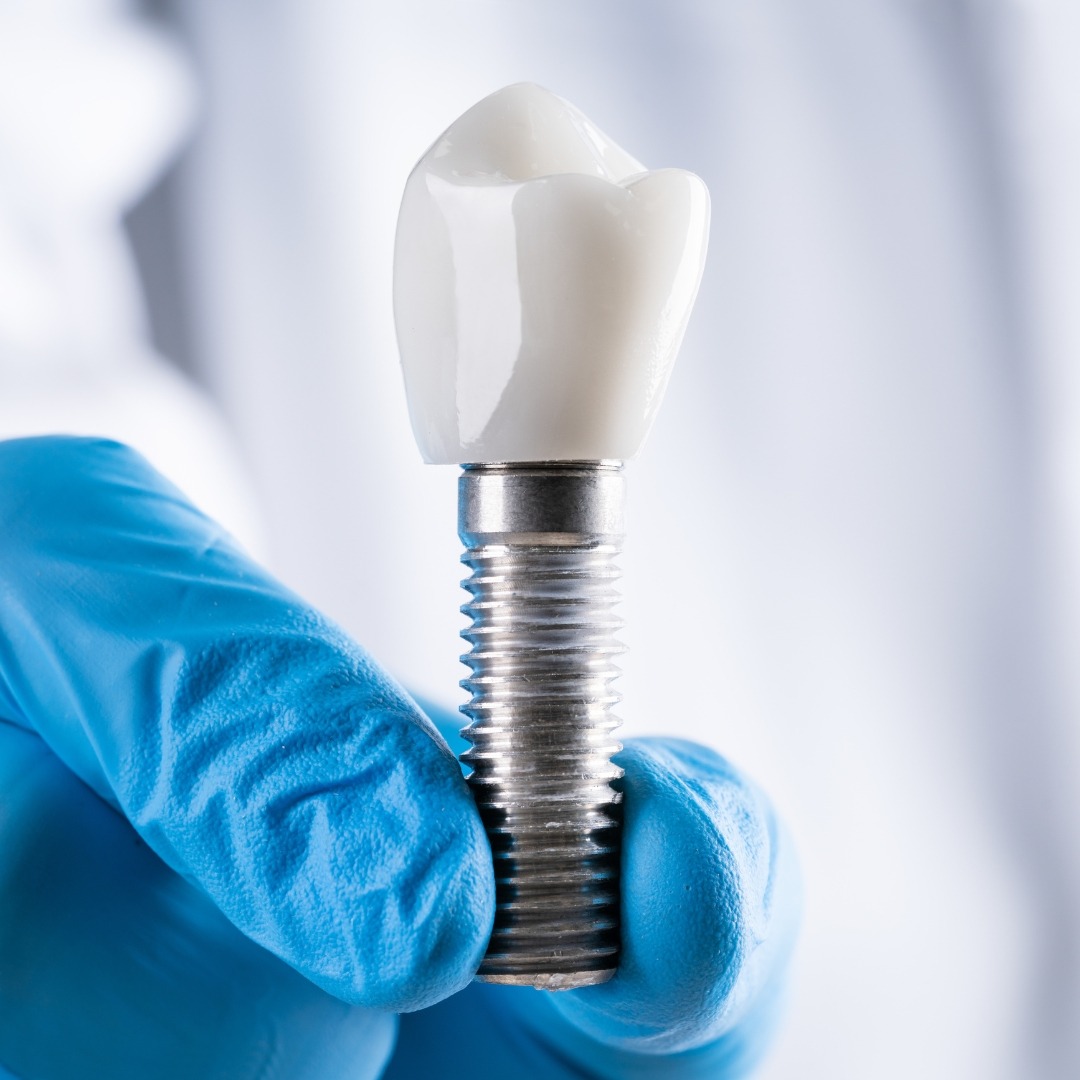
Single Tooth Implant
A dedicated implant and crown can replace an individual missing tooth.










Explore modern dental implant treatment for one or more missing teeth, including implant options, treatment planning, cost factors, technology and support for patients travelling to India for dental care.
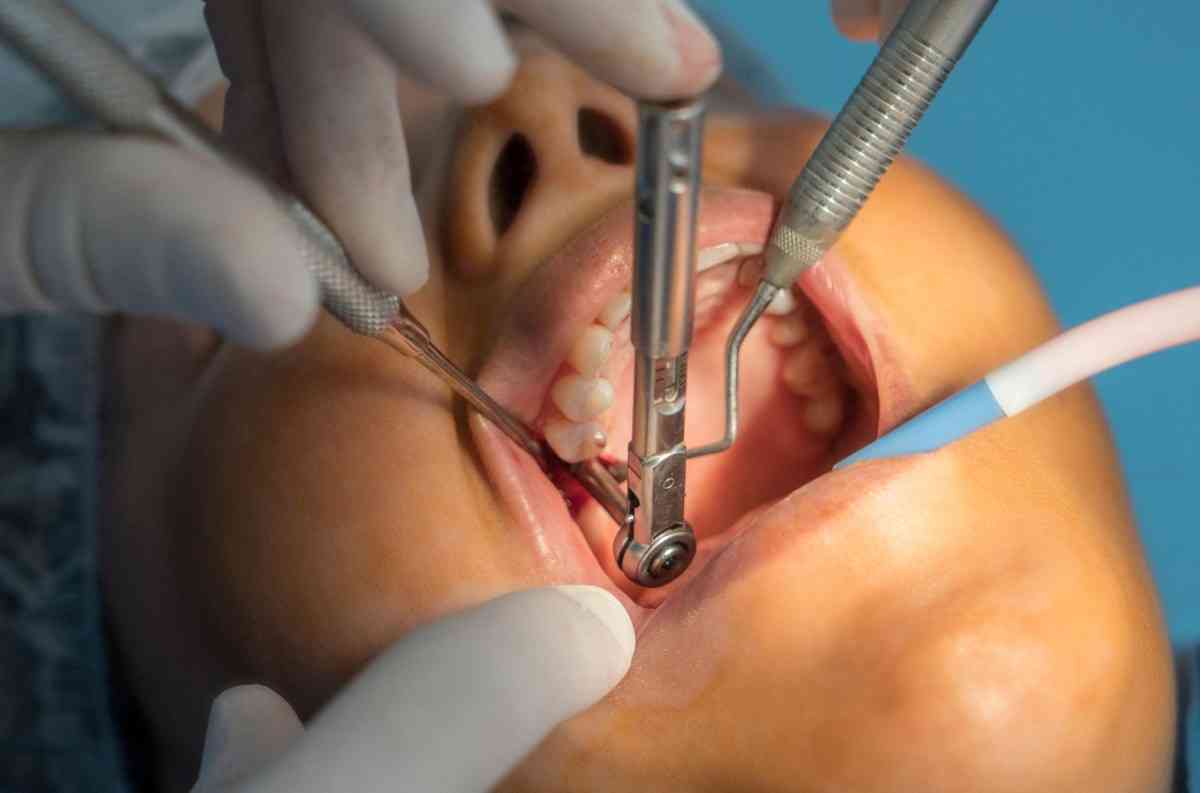
Implant-supported teeth designed around your smile, oral condition and functional needs.
Missing teeth can affect chewing, speech and confidence. Dental implants provide a stable foundation for replacing missing teeth and restoring everyday function.
Patients considering implant treatment in India often look for experienced dental care, modern treatment planning, implant options and coordinated support. The right treatment should always be selected after an individual clinical assessment.
Request an Implant AssessmentImplant treatment can be planned according to individual clinical requirements.
Imaging and digital planning can assist treatment assessment where appropriate.
Treatment may range from single-tooth implants to full-arch rehabilitation.
Treatment coordination can help patients travelling to India for dental care.
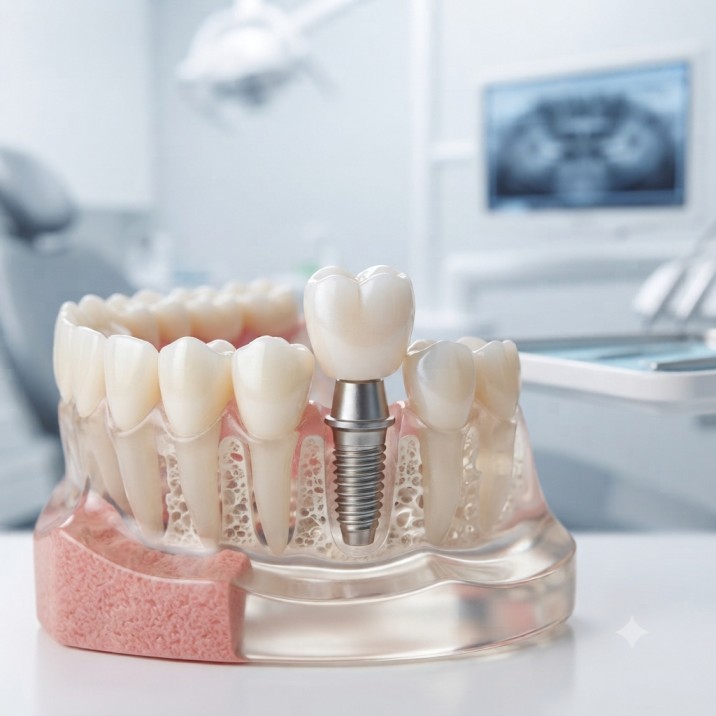
A dental implant is a biocompatible post placed into the jawbone to act as an artificial tooth root. Once integrated with the bone, it can support a crown, bridge or implant-supported restoration.
Provides a stable foundation within the jawbone.
Connects the implant to the final restoration.
The visible tooth-shaped restoration designed to blend with your smile.
The appropriate implant solution depends on the number of missing teeth, bone condition, oral health and your treatment requirements.
A dedicated implant and crown can replace an individual missing tooth.
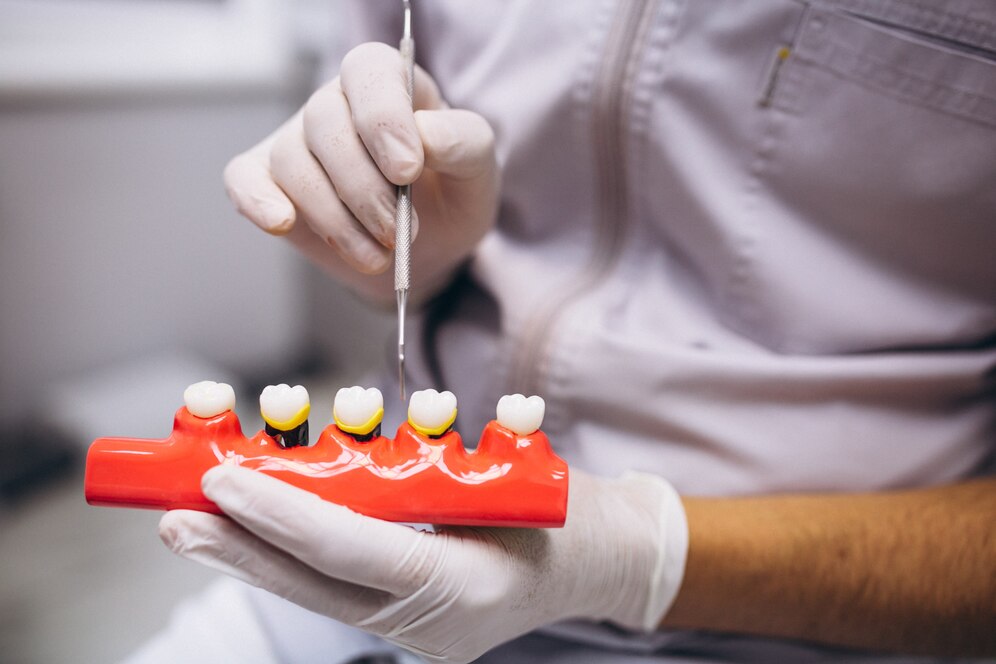
Multiple missing teeth can be replaced with an implant-supported treatment plan.

Implant-supported full-arch solutions may help restore function for extensive tooth loss.
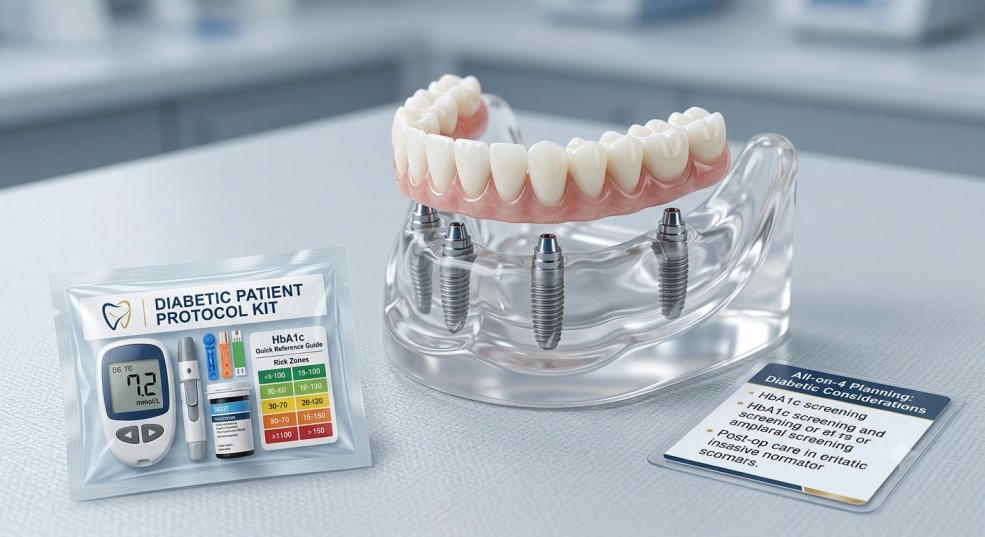
A full-arch restoration supported by strategically placed implants where clinically appropriate.
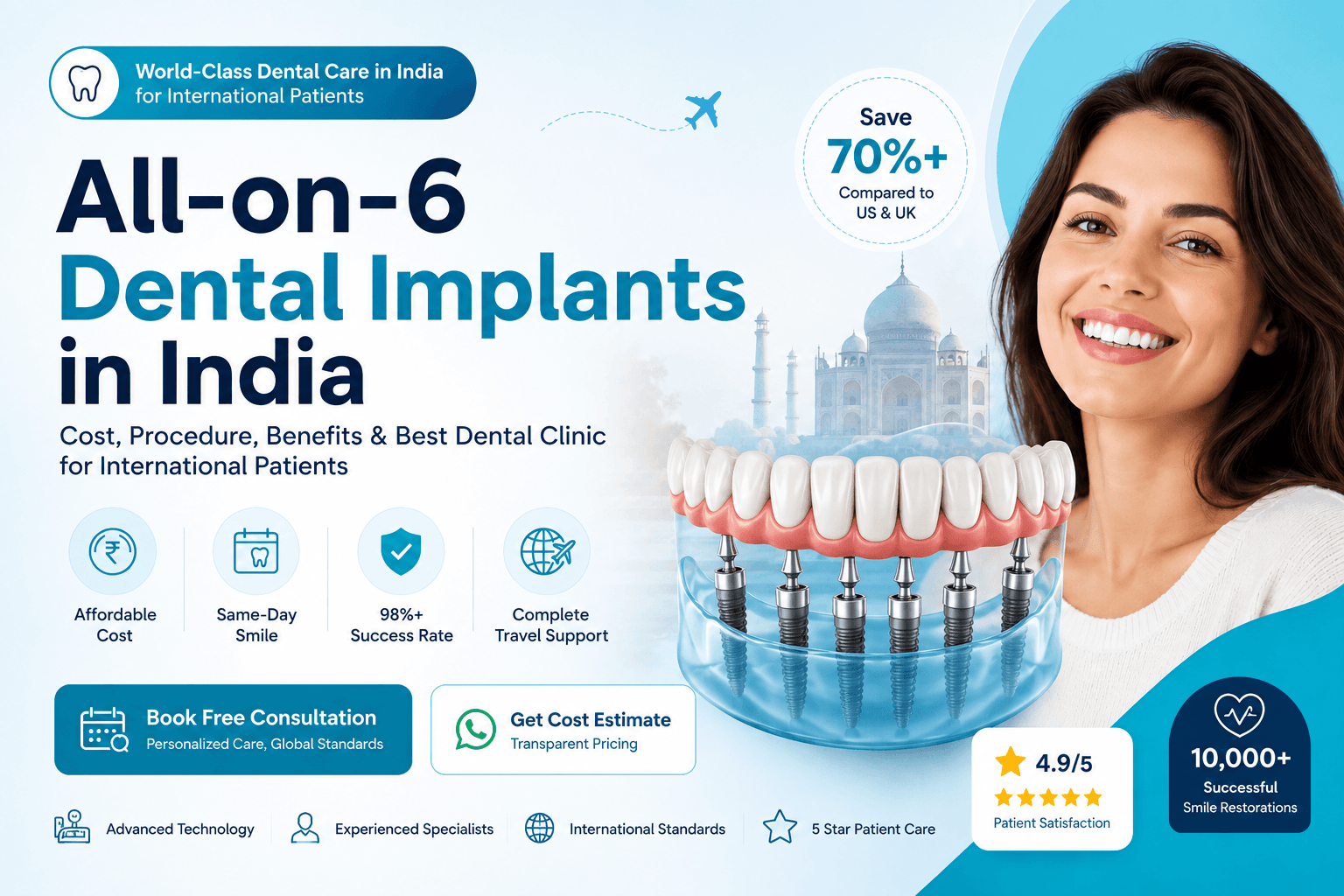
A full-arch implant approach using six strategically positioned implants when appropriate.
In selected cases, an implant may be placed around the time of tooth removal following evaluation.
Implant suitability cannot be determined from age or a single factor alone. Your dentist needs to assess your teeth, gums, bone, bite and overall oral condition.
Modern implant dentistry combines clinical examination, imaging and digital planning to create an approach tailored to each patient.
Three-dimensional assessment of the jaw and surrounding structures.
Implant positioning can be planned before treatment.
Digital guidance may assist implant placement where appropriate.
Treatment is planned according to individual clinical requirements.

Your exact treatment sequence and timing depend on your clinical condition and the type of restoration planned.
Understand your concerns, medical history and treatment goals.
Evaluate bone, teeth and surrounding structures.
Discuss implant type, restoration and required procedures.
Place the implant according to your treatment plan.
Allow the implant to integrate with surrounding bone.
Complete treatment with the final restoration.
Treatment time varies between patients. Some cases can be completed in fewer stages, while cases involving healing, bone grafting or extensive rehabilitation may require additional time.

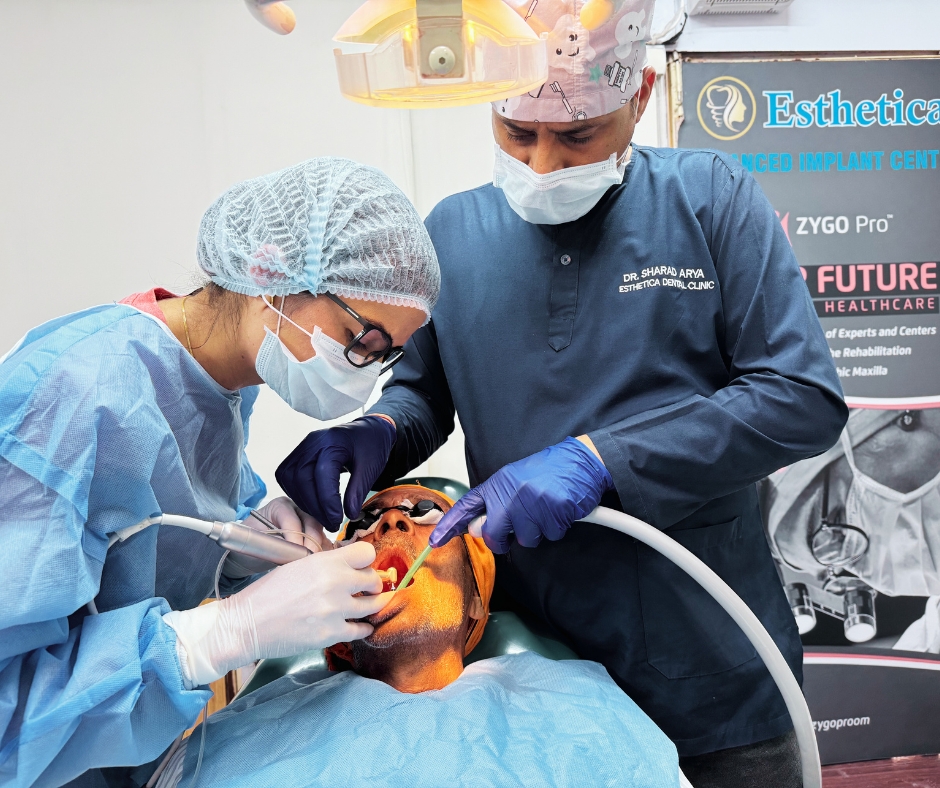
Dr. Sharad Arya provides personalized dental care with a focus on implant dentistry, smile rehabilitation and advanced treatment planning.
Every implant case is evaluated individually to understand the patient's oral condition, bone support, functional requirements and treatment goals.
Treatment outcomes vary between patients. The gallery should feature genuine clinic cases and appropriate patient consent.





Watch the dental implant video to understand the treatment process and planning involved.

Replace the sample text below with verified patient reviews from your clinic or review platform.
“I was nervous about replacing my missing tooth, but the entire treatment process was explained clearly.”
“The digital planning and explanation before treatment gave me confidence throughout the process.”
“The team explained every stage of the implant process and answered all my questions before treatment.”
The cost of dental implants varies according to the implant system, number of implants, crown/restoration, bone condition and any additional procedures required.
| Treatment | What May Be Included | Main Cost Factors |
|---|---|---|
| Single Dental Implant | Implant, abutment and crown | Implant system, crown material, imaging and individual clinical requirements |
| Multiple Implants | Multiple implants and restorations | Number of teeth, bone condition and overall treatment plan |
| All-on-4 | Full-arch implant treatment | Implant system, prosthesis and clinical requirements |
| All-on-6 | Full-arch implant treatment | Number of implants, prosthesis and clinical requirements |
| Bone Grafting | Additional procedure where required | Amount and location of bone deficiency |
| Sinus Lift | Additional procedure in selected upper-jaw cases | Bone height, anatomy and treatment requirements |
Different implant systems and components can have different costs.
The final restoration material can affect the overall cost.
Bone grafting or other procedures may be needed in selected cases.
Single-tooth and full-arch treatments have very different treatment requirements.
Imaging and planning requirements can form part of treatment costs.
Extraction, grafting or other procedures may change the treatment estimate.
Share your dental reports or arrange an implant consultation for an individualized treatment plan.
Each tooth-replacement option has different requirements, benefits and limitations. Your dentist can help determine which approach is appropriate for your situation.
| Feature | Dental Implant | Dental Bridge | Denture |
|---|---|---|---|
| Fixed option | Yes | Yes | Usually removable |
| Replaces tooth root | Yes | No | No |
| Adjacent teeth | Usually does not require preparation of adjacent teeth | May require preparation | Depends on design |
| Bone requirements | Requires suitable bone support or appropriate augmentation | Does not require implant bone integration | Does not require implant integration |
| Maintenance | Regular oral hygiene and professional follow-up | Regular oral hygiene and dental review | Cleaning and periodic dental review |
Recovery varies according to the procedure performed, number of implants and individual healing response.
Patients travelling from outside India can discuss their dental concerns and available treatment options before travelling. Treatment planning, appointment coordination and practical guidance can help organize the dental journey.
Discuss your dental concerns before travelling.
Review available treatment options and requirements.
Receive practical guidance for planning your visit.
Discuss follow-up requirements before returning home.
Share your dental reports, scans or photographs where available.
Discuss your concerns and possible treatment options.
Plan appointments and required treatment stages.
Travel to India and complete the clinically appropriate treatment.
Follow the recommended aftercare and follow-up plan.
Answers to common questions about dental implants in India.
Dental implant cost varies according to the implant system, number of implants, crown or prosthesis, imaging, bone condition and additional procedures. A personalized estimate requires a clinical assessment.
Depending on the treatment plan, implant treatment may involve consultation, imaging, implant placement, abutment and final crown or implant-supported prosthesis. Ask for a written breakdown of what is included in your quote.
Dental implants are an established tooth-replacement treatment, but suitability and risks vary between patients. Your dentist should assess your oral health, bone support, medical history and treatment requirements.
Implant placement is normally performed with appropriate local anesthesia. Some discomfort, swelling or tenderness can occur during recovery. Your dentist will provide case-specific aftercare instructions.
Treatment time depends on the number of implants, healing requirements, bone condition and restoration. Some cases require several treatment stages over a longer healing period.
In selected cases an implant may be placed around the time of extraction. This depends on the tooth, infection status, bone condition and other clinical factors.
Some patients with bone loss may still be candidates for implants after appropriate assessment. Bone grafting or other procedures may be recommended in selected cases.
All-on-4 refers to a full-arch implant-supported approach using four strategically positioned implants where clinically appropriate. The final treatment plan depends on individual anatomy and prosthetic requirements.
All-on-6 is a full-arch implant approach using six implants where appropriate. Your dentist determines the number and positioning of implants based on clinical assessment.
International patients can discuss their dental concerns and treatment requirements before travelling. Online consultation and treatment coordination may help with planning the visit.
The required stay depends on the procedure, healing, number of implants and restoration. A fixed number of days cannot be recommended without reviewing the individual case.
Some patients with diabetes may be candidates for dental implants. Your dentist should review your medical condition, oral health and overall treatment suitability before proceeding.
Implant longevity varies between patients and depends on factors such as oral hygiene, gum health, bite, smoking, maintenance and overall health. Regular dental follow-up is important.
Implant-supported teeth require regular brushing, interdental cleaning and professional dental maintenance. Your dental team can recommend a suitable home-care routine.
You can contact the clinic by phone or use the consultation options on this page to discuss your dental concerns and arrange an assessment.
Get an individual assessment and understand your available implant options, treatment stages and estimated costs.