




Dental Tourism Insurance Travel and Health Coverage Explained
Planning a smile makeover overseas sounds exciting until the “what if something goes wrong” question shows up. If you’re comparing dental tourism insurance options before booking flights, you’re already ahead of most travelers who only think about coverage after a problem happens. Let’s break down what travel insurance actually protects, where health insurance falls short, and how to travel for dental work without any financial surprises.
What Is Dental Tourism Insurance and Why Does It Matter?
Dental tourism insurance is coverage designed specifically for people who travel outside their home country to get dental treatment done at a lower cost. Unlike a regular travel policy, it’s built around the unique risks of medical travel — cancelled procedures, treatment complications, or the need for a follow-up visit once you’re back home. Thousands of patients from the US, UK, Australia, and especially Canada now fly abroad every year chasing affordable implants, veneers, and full-mouth rehabilitation. But savings on the treatment bill mean little if an unexpected complication drains your travel budget instead.
Most people assume their existing insurance “probably” covers this. It usually doesn’t, and that gap is exactly where dental tourism insurance steps in.
Does Regular Travel Insurance Cover Dental Work Abroad?
Here’s the short answer: standard travel insurance almost never covers planned dental treatment. Regular travel policies are built for emergencies — a broken bone on a hike, a sudden illness, a lost passport. If you fly to another country specifically to get a root canal or dental implant, that’s considered a “pre-planned” or “elective” procedure, and most travel insurers exclude it outright.
What travel insurance can still help with includes:
- Trip cancellation or delay unrelated to your dental treatment
- Lost luggage or travel document issues
- Emergency medical care for a non-dental illness or injury during your trip
- Emergency evacuation in rare, serious situations
So while your travel insurance protects the “trip” part of your journey, it typically won’t touch the “treatment” part. That’s the core reason dental travel insurance coverage exists as its own separate product.
Does Health Insurance Cover Dental Tourism?
This is where most patients get caught off guard. Health insurance for dental tourism is a different story depending on where you live and what plan you hold.
In the US: Most private health plans, including PPOs and HMOs, don’t cover dental procedures performed outside the country, even if the same treatment would be covered domestically. Dental insurance plans are typically capped low (often $1,000–$2,000 annually) and rarely extend internationally.
In Canada: Canadian provincial health plans generally don’t cover dental care at all, whether you’re at home or abroad, since dental work isn’t part of the public healthcare system in most provinces. Private Canadian dental insurance, if you have it through an employer, almost always requires the dentist to be within Canada or a specific provider network — treatment in India, Mexico, or Thailand won’t qualify for reimbursement.
In the UK and Australia: Similar rules apply. NHS dental coverage and most private health funds are tied to approved local providers, not clinics abroad.
The pattern is consistent everywhere: your everyday health insurance protects you at home, not overseas, and definitely not for elective dental work you sought out specifically because it’s cheaper somewhere else.
What Does Dental Travel Insurance Coverage Actually Include?
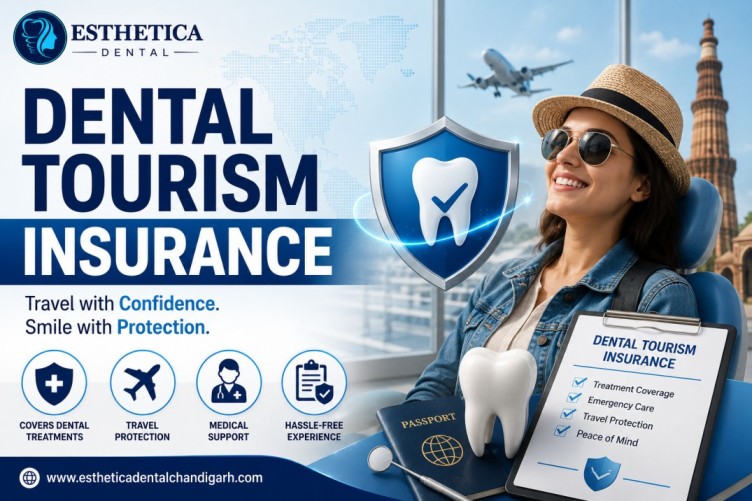
If you’ve decided to travel for dental work, a dedicated dental tourism policy is worth the investment. Good coverage typically includes:
- Complication coverage — costs if something goes wrong during or after the procedure
- Treatment guarantee protection — reimbursement if the clinic can’t complete your treatment as planned
- Follow-up care costs — support for corrective work needed once you’re home
- Trip interruption specific to treatment delays
- Emergency dental evacuation, in rare but serious cases
Some clinics abroad also offer their own treatment warranties, which is different from insurance but worth asking about alongside your policy.
How to Choose the Right Health Insurance for Dental Tourism
Before booking your trip, run through this checklist:
- Read the exclusions list first. Most rejections come from clauses buried in the fine print, not the headline coverage.
- Confirm elective procedures are included, not just emergencies.
- Check if pre-existing dental conditions are covered, since many implant and root canal cases stem from long-standing issues.
- Look for a policy with a follow-up care clause in your home country, not just abroad.
- Compare it against a treatment guarantee from the clinic itself — some of the best dental tourism destinations offer both.
Canadian patients especially should double check whether their provider recognizes treatment done in popular destinations like India, since demand from Canada for affordable dental implants and smile makeovers abroad has grown significantly in recent years.
Is Dental Tourism Insurance Worth the Extra Cost?
If you’re spending thousands of dollars on implants, veneers, or full-mouth restoration, a few hundred dollars for proper coverage is a small price for peace of mind. Complications, though rare with reputable clinics, are far more stressful and expensive to fix without insurance backing you up. Choosing a clinic with strong sterilization protocols, experienced specialists, and transparent treatment planning also reduces your risk significantly before insurance even comes into play.
That’s exactly the kind of care patients look for when they choose Esthetica Advanced Dental Clinic, where personalized treatment planning, internationally trained dentists, and a patient-first approach help international and NRI patients feel confident about their dental journey from consultation to aftercare.
Frequently Asked Questions
1. Does travel insurance cover dental implants abroad?
No. Most travel insurance policies exclude planned or elective dental implants since they’re not classified as emergencies.
2. Can I use my Canadian health insurance for dental treatment in another country?
Generally no. Canadian provincial plans don’t cover dental care, and private dental insurance is usually restricted to approved providers within Canada.
3. What happens if something goes wrong after I return home from dental tourism?
Without dedicated coverage, you’ll likely pay out of pocket for corrective treatment at home. This is why follow-up care coverage is one of the most important clauses to check.
4. Is dental tourism insurance expensive?
It’s typically a small fraction of what you’re already saving by getting treatment abroad, often a few hundred dollars depending on the procedure and coverage level.
5. Do dental clinics abroad offer their own guarantees instead of insurance?
Many reputable clinics do offer treatment warranties, but these are separate from insurance and usually don’t cover travel-related costs or complications requiring care elsewhere.
6. What documents do I need to make a dental travel insurance claim?
Most insurers require your treatment plan, clinic invoices, medical reports, and photos or documentation of the complication, so keep everything from your trip organized.
7. Is it safe for Canadian patients to get dental implants in India?
Yes, when you choose an experienced, accredited clinic. Many Canadian patients travel to India each year for cost-effective, high-quality implant treatment backed by modern technology and skilled specialists.