




In 2026, the cost of complex dental restoration—ranging from root canals and crowns to dental implants—has never been higher. Yet, most patients who sit in our chairs at Esthetica Dental are dealing with conditions that were, for the most part, entirely preventable. The philosophy of modern dentistry has shifted away from the “fix-it-when-it-breaks” mentality toward proactive, preventive preservation.
Your teeth are designed to last a lifetime, but they require a strategic approach to daily maintenance. By integrating these 5 daily habits, you can significantly delay or entirely prevent the need for major dental work, ensuring your smile remains healthy, functional, and aesthetically pleasing.
1. Master the Technique of “Gentle” Brushing
There is a pervasive myth that scrubbing your teeth with significant pressure is the most effective way to clean them. In our clinical experience at Esthetica Dental, we see the damage this causes every day: enamel erosion and significant gum recession.
When you brush too hard, you aren’t just removing plaque; you are wearing away the protective enamel layer. Once enamel is gone, it does not regenerate. Furthermore, aggressive brushing irritates the gum tissue, causing it to pull away from the tooth, which exposes the vulnerable root surface and leads to sensitivity and decay.
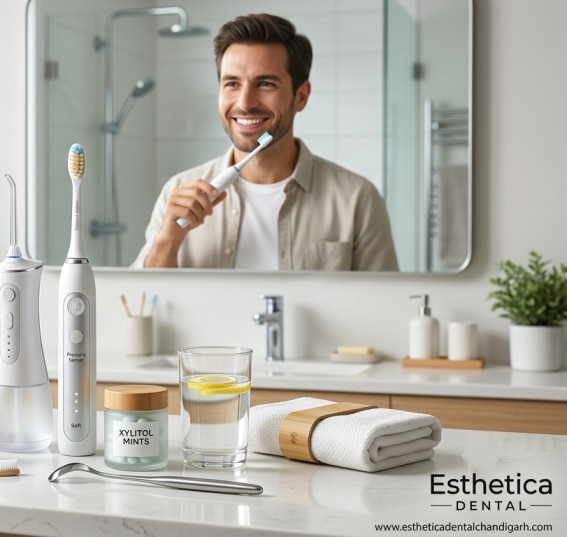
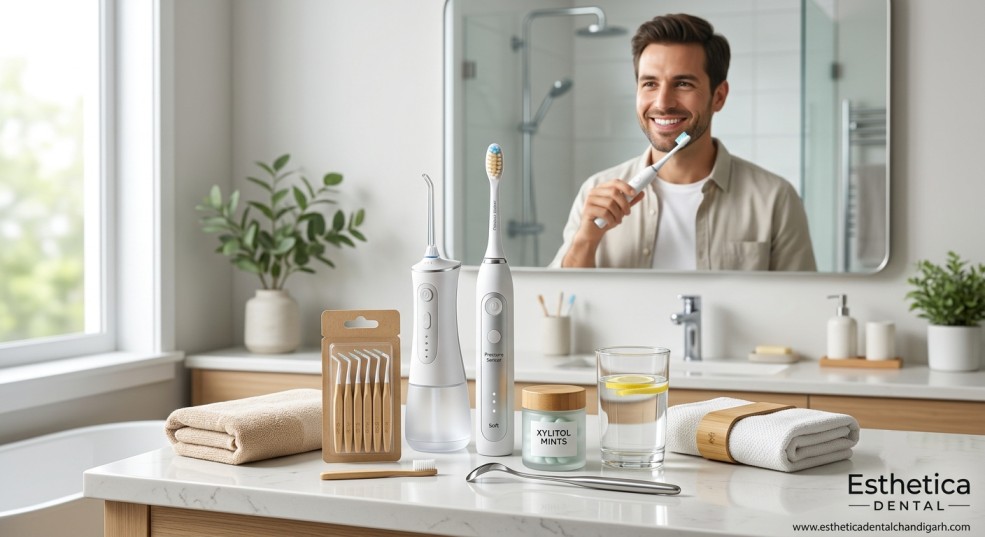
The Habit: Use a soft-bristled toothbrush—or better yet, an electric toothbrush with a pressure sensor. Angle the bristles at a 45-degree angle toward the gum line. Use gentle, circular motions, allowing the brush to do the work. Spend at least two minutes ensuring every surface is cleaned. By being gentle, you preserve the structural integrity of your teeth while still effectively removing biofilm.
2. Never Skip Interdental Cleaning
Brushing is essential, but it only addresses about 60% of your tooth surfaces. The areas between your teeth—the interdental spaces—are the most common starting points for interproximal cavities and periodontal disease. When food debris and plaque accumulate between teeth, they harden into tartar (calculus). Unlike plaque, tartar cannot be removed by brushing and requires professional scaling.
The Habit: Interdental cleaning is non-negotiable. Whether you prefer traditional waxed floss, interdental brushes, or a high-pressure water flosser, you must clean between your teeth once every single day. We recommend doing this before your evening brushing. By clearing these spaces before bed, you ensure that the fluoride from your toothpaste can actually reach those surfaces, providing critical protection throughout the night.
3. Hydrate with Purpose (The pH Factor)
Your saliva is the unsung hero of your oral health. It acts as a natural buffer, neutralizing the acidic byproducts of bacteria and delivering essential minerals like calcium and phosphate back to your enamel. When your mouth becomes chronically dry, your natural defense system collapses.
The Habit: Drink water throughout the day, particularly after consuming meals or snacks. Avoid “sipping” on acidic beverages like coffee, soda, or sports drinks over extended periods, as this keeps your mouth in an acidic state where enamel begins to demineralize. By drinking water, you effectively “rinse” your mouth, restore your salivary pH, and wash away food particles that would otherwise feed harmful bacteria.
4. Implement Tongue Cleaning
Many patients focus entirely on their teeth, ignoring the tongue. However, the tongue is a textured, porous surface that acts as a reservoir for bacteria. These bacteria produce volatile sulfur compounds (the primary cause of bad breath) and can easily migrate to the gum line, accelerating the formation of gingivitis.
The Habit: Incorporate tongue cleaning into your morning routine. A dedicated tongue scraper is most effective, but your toothbrush works as well. A simple 10-second pass across the surface of the tongue each morning drastically reduces the overall bacterial load in your mouth. A cleaner mouth means fewer bacteria attempting to colonize your gums and teeth throughout the day.
5. Be Mindful of “Dental Traumas”
We frequently see patients in need of emergency dental work simply because they used their teeth as tools. Using teeth to tear open packages, bite through plastic, hold pens, or crunch ice cubes is a recipe for a fractured tooth. A single micro-fracture can be the entry point for deep decay that necessitates a root canal or crown.
The Habit: Treat your teeth as tools for eating only. If you find yourself frequently crunching ice, consider the psychological triggers or the mineral deficiencies that might be causing this urge. Additionally, if you suffer from bruxism (clenching or grinding your teeth at night), it is vital to use a custom-fitted night guard. This simple appliance prevents the cumulative wear and tear that leads to flattened teeth and TMJ (jaw) issues over time.
The Role of Professional Prevention
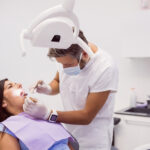
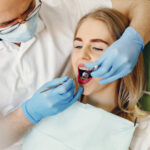
Even with the most rigorous home routine, tartar buildup is inevitable for most people. This is why professional dental cleanings and exams are the final piece of the puzzle. At Esthetica Dental, we use advanced diagnostics to identify micro-cavities and early-stage gum inflammation long before they cause you pain.
By catching these issues when they are small, we can treat them with non-invasive, low-cost procedures, helping you avoid the need for the major dental work that stems from neglect.
Expert Care at Esthetica Dental
Sometimes, the best prevention involves personalized guidance. Whether you need a routine check-up, a professional cleaning, or advice on the right dental products for your specific oral structure, we are here to help. Our team in Mohali is dedicated to the philosophy of preventive care, helping you maintain a healthy, functional smile for your entire life.
Consistency is the ultimate secret to dental health. Treat your mouth with care, and it will serve you for a lifetime.