







How to Improve Manual Dexterity in Dentistry for Dentists
Precision, control and steady hand movements are of specific concern to dentistry as it is one of the few fields where it directly impacts the success of the treatment. Dentists depend on their hand-eye coordination and control to carry out fine root canal work and insert dental implants to name but a few. Here manual dexterity in dentistry is necessary.
It is not uncommon to find that many dental students, as well as experienced professionals, occasionally struggle to maintain accurate hand movements during complex procedures. The good news is that it is not only a natural talent to be good with hands manual dexterity in dentistry can be developed through the right exercises, regular practice routines, and proper training.
In this blog, we will discuss effective methods, daily habits, and training programs that can help dentists enhance their hand skills and improve their overall clinical performance.
Why Strong Hand Skills Matter for Every Dentist
Before learning how to improve hand coordination, it is important to understand why it plays such a vital role in dental practice.
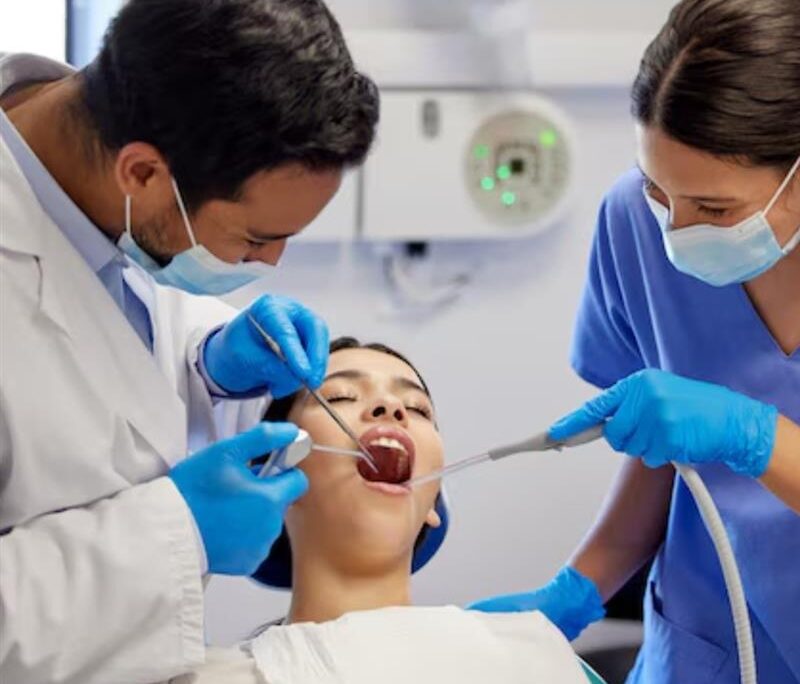
Dentistry involves working in a small and limited operating area inside the mouth. Dentists must manipulate instruments with extreme precision while ensuring patient comfort and safety. Even a small mistake in hand movement can affect treatment results.
Some of the key dental procedures that require strong control and precision include:
-
- Tooth preparation for crowns and veneers
-
- Root canal therapy
-
- Dental implant placement
-
- Composite restorations
-
- Surgical extractions
-
- Periodontal procedures
Developing manual dexterity in dentistry helps dentists perform these procedures with accuracy and confidence.
Strong hand coordination also improves treatment efficiency, reduces clinical errors, and enhances patient trust.
Early Signs That Dentists Need Better Hand Coordination
Many dentists begin to notice small challenges in their clinical work when their hand coordination needs improvement. These signs are especially common during the early stages of clinical practice, but they can also appear in experienced dentists who do not regularly practice fine motor skill development.
Dentistry requires extremely precise movements in a very limited working area. Even slight instability in hand control can affect treatment accuracy. Recognizing these signs early helps dentists focus on improving their dental hand skills training and strengthening their precision over time.
Some common indicators include:
-
- Difficulty maintaining steady instrument control during procedures
-
- Hand fatigue while performing long treatments
-
- Uneven or inconsistent tooth preparation margins
-
- Challenges working comfortably in small or confined areas of the mouth
-
- Reduced confidence when performing delicate or advanced dental treatments
Identifying these issues early gives dentists the opportunity to practice targeted exercises and training methods. With consistent practice and proper guidance, dentists can significantly improve their hand coordination, precision, and overall clinical performance.
How Consistent Practice Builds Better Clinical Control
Just like athletes train their muscles regularly, dentists must train their hand coordination through consistent practice. Developing muscle memory allows hands to move automatically and smoothly during treatments.
Daily practice can significantly improve:
-
- Fine motor control
-
- Finger stability
-
- Wrist movement
-
- Eye-hand coordination
With time and repetition, dentists develop natural precision and better instrument handling.
Practicing outside the clinic environment also helps dentists remain relaxed and confident during complex procedures.
Manual Dexterity Exercises for Dentists
There are several simple activities that dentists can perform to improve hand coordination and precision. These exercises strengthen finger muscles and enhance control over dental instruments.
Pencil Control Practice
Holding a pencil and drawing extremely fine lines or shapes helps improve finger precision. Dentists can practice drawing:
-
- Small circles
-
- Straight lines
-
- Geometric patterns
-
- Tiny dots within a limited space
This simple activity helps improve hand stability and control.
Threading and Bead Exercises
Threading small beads onto a string is one of the most effective manual dexterity exercises for dentists. It improves finger coordination and concentration.
Benefits include:
-
- Strengthening finger muscles
-
- Enhancing hand-eye coordination
-
- Improving precision movements
Even a few minutes of this exercise daily can show noticeable improvements.
Wax Carving Practice
Wax carving is widely used in dental training to develop precision skills.
By shaping wax into dental anatomy, dentists improve:
-
- Finger pressure control
-
- Instrument handling
-
- Precision carving ability
This exercise closely simulates real dental procedures and strengthens practical skills.
Rubber Band Finger Strength Exercise
Finger strength is essential for holding dental instruments steadily.
A simple exercise involves placing a rubber band around the fingers and slowly stretching them outward. This movement strengthens finger muscles and improves endurance during long procedures.
Hand Stability Exercise
Dentists can place their hand on a flat surface and practice lifting each finger individually without moving the others.
This exercise improves finger independence and strengthens coordination between muscles.
Daily Habits That Improve Dental Precision
Besides exercises, certain daily habits can help dentists develop better hand control over time.
Maintaining Good Ergonomics
Poor posture and improper positioning can affect hand stability. Dentists should maintain proper ergonomics while working to ensure comfortable hand movements and reduce strain.
Good ergonomics also prevents fatigue and helps maintain steady hands during longer procedures.
Practicing Slow and Controlled Movements
Rushing procedures often leads to mistakes and poor precision. Dentists should focus on performing movements slowly and with full control during practice sessions.
As muscle memory improves, speed naturally increases without compromising accuracy.
Improving Focus and Concentration
Mental focus plays a major role in developing precise hand movements.
Practicing mindfulness or short breathing exercises before clinical procedures can help dentists stay calm and focused.
A relaxed mind often leads to better hand control.
The Role of Technology in Skill Development
Modern dental education has introduced advanced tools and training methods that help dentists refine their clinical skills more effectively.
Simulation labs, digital models, and practice workshops allow dentists to develop strong hand coordination in a controlled environment.
These programs provide structured training and allow dentists to practice repeatedly without patient pressure.
Institutions like Esthetica Dental Academy offer hands-on training programs that help dental professionals improve their clinical techniques through guided practice and expert mentorship.
Such learning environments help dentists develop confidence and precision at every stage of their career.
The Importance of Hands-On Training for Dentists
Reading textbooks and watching videos can provide theoretical knowledge, but real skill development happens through practical training.
Hands-on programs allow dentists to:
-
- Work with modern dental equipment
-
- Practice real clinical procedures
-
- Receive expert feedback
-
- Improve hand coordination through repetition
Training institutes such as Esthetica Dental Academy focus on practical learning methods that strengthen both knowledge and clinical performance.
By participating in structured training sessions, dentists can significantly enhance their procedural accuracy and confidence.

How Professional Courses Strengthen Clinical Skills
Advanced training programs help dentists refine their techniques and develop strong procedural control.
Through continuous practice and guidance, dentists gain experience in complex treatments such as:
-
- Implant placement
-
- Root canal therapy
-
- Prosthetic restorations
-
- Surgical procedures
Educational platforms like Esthetica Dental Academy provide specialized training environments where dentists can improve their practical skills under professional supervision.
This type of training accelerates learning and helps dentists master precision-based procedures.
Long-Term Benefits of Improving Hand Coordination
Investing time in developing manual skills provides long-term benefits for dental professionals.
Some of the most important advantages include:
-
- Increased treatment accuracy
-
- Improved patient outcomes
-
- Greater clinical confidence
-
- Reduced procedural errors
-
- Faster and more efficient treatments
Dentists who continuously improve their manual dexterity in dentistry often experience better professional growth and stronger patient satisfaction.
Consistent skill development also allows dentists to perform advanced procedures with ease.
Final Thoughts
Successful dental treatments depend greatly on precision and control. While some individuals may naturally have steady hands, most dentists develop these abilities through consistent practice and continuous training. Building manual dexterity in dentistry takes time, patience, and regular skill development.
Dentists can gradually improve their clinical performance by practicing simple hand exercises, maintaining proper ergonomics, and participating in hands-on workshops that focus on practical learning.
Structured training programs offered by institutes such as Esthetica Dental Academy provide excellent opportunities for dentists to refine their clinical techniques and gain valuable practical experience.
With dedication, patience, and continuous practice, dentists can develop strong manual dexterity in dentistry, helping them perform procedures with greater confidence while delivering high-quality patient care.
Frequently Asked Questions (FAQs)
1. How long does it take to improve manual dexterity for dentists?
Improving hand coordination relies on consistent practice and training. With daily exercises and regular clinical exposure, many dentists notice significant improvement within a few weeks to a few months. Developing strong manual dexterity in dentistry is a gradual process that rewards persistence.
2. What are the best manual dexterity exercises for dentists?
Some of the most effective exercises include:
-
- Wax carving to simulate real dental anatomy
-
- Bead threading to enhance finger coordination
-
- Pencil drawing practice for precision control
-
- Finger strength exercises to maintain stability during procedures
-
- Precision drills to improve fine motor skills
These exercises help dentists strengthen their hands, improve control, and gain confidence during complex procedures.
3. Can dental training programs help improve clinical hand skills?
Absolutely. Structured courses and hands-on workshops, such as those offered by Esthetica Dental Academy, provide guided practice, real clinical exposure, and mentorship from experienced instructors. These programs allow dentists to refine their manual dexterity in dentistry, improve treatment accuracy, and develop stronger clinical confidence.
Explore related articles: https://www.estheticadentalchandigarh.com/hands-on-dental-academy-in-mohali/
Explore related articles: https://www.estheticadentalchandigarh.com/implant-planning-placement-training-Mumbai /
Explore related articles: https://www.estheticadentalchandigarh.com/digital-implant-course-mumbai/