








Smile Design Course in India for Foreign Dentists and Professionals
Patients today walk into clinics with photos of celebrity smiles and one big question: “Can you make mine look like this?” If you want to answer that with confidence, enrolling in a Smile Design Course in India for Foreign Dentists could be the smartest career move you make this year. India has become a trusted destination for clinicians from Africa, the Middle East, Europe, Southeast Asia and beyond who want practical, patient-based training. This guide explains what these programs teach, who benefits, what to look for, and how to plan your trip.
Why Are Foreign Dentists Flying to India for Smile Design Training?
India treats a very large number of cosmetic and restorative cases every day. That means trainees see real patients, real problems and real solutions instead of only slides and plastic models. Clinicians who train here often tell colleagues that the volume of live exposure is what sets the experience apart.
Cost is the second big draw. Course fees, accommodation and food usually come in far lower than comparable programs in the US or Europe, without cutting corners on clinical content. You can invest the savings in materials, a scanner or a better camera for your own practice.
Finally, English is widely used in Indian clinics and classrooms. Instructions, case discussions and patient consultations are easy to follow, so international participants rarely struggle with language during hands-on sessions.
What Exactly Is Digital Smile Design (and Why Should You Care)?
Digital Smile Design, often called DSD, is a planning method that uses photographs, videos and software to design a smile before any tooth is touched. You study the face, lips, gum line and tooth proportions together, then show the patient a preview of the result. It turns a vague wish into a clear, agreed plan.
For your practice, DSD builds trust quickly. Patients who can see a mock-up are more likely to say yes to treatment, and they are less likely to feel disappointed afterwards. It also reduces guesswork in your own clinical steps, from tooth preparation to final cementation.
A good smile designing course teaches you to combine this digital workflow with sound biology and occlusion. Pretty planning means little if the bite, the gums or the long-term health of the teeth are ignored.
What You Will Learn in Smile Designing Training in India for International Dentists
A well-built Smile Designing Training in India for International Dentists moves from diagnosis to delivery in clear stages. Here is what a strong curriculum usually covers:
- Facial analysis, smile line assessment and tooth proportion principles
- Photography and video protocols for accurate case records
- Digital mock-ups and patient communication scripts
- Minimal-prep and no-prep veneers, plus laminate selection
- Shade matching, material choice and ceramic basics
- Gum contouring and soft tissue management for a balanced smile
- Case planning with orthodontic and implant support
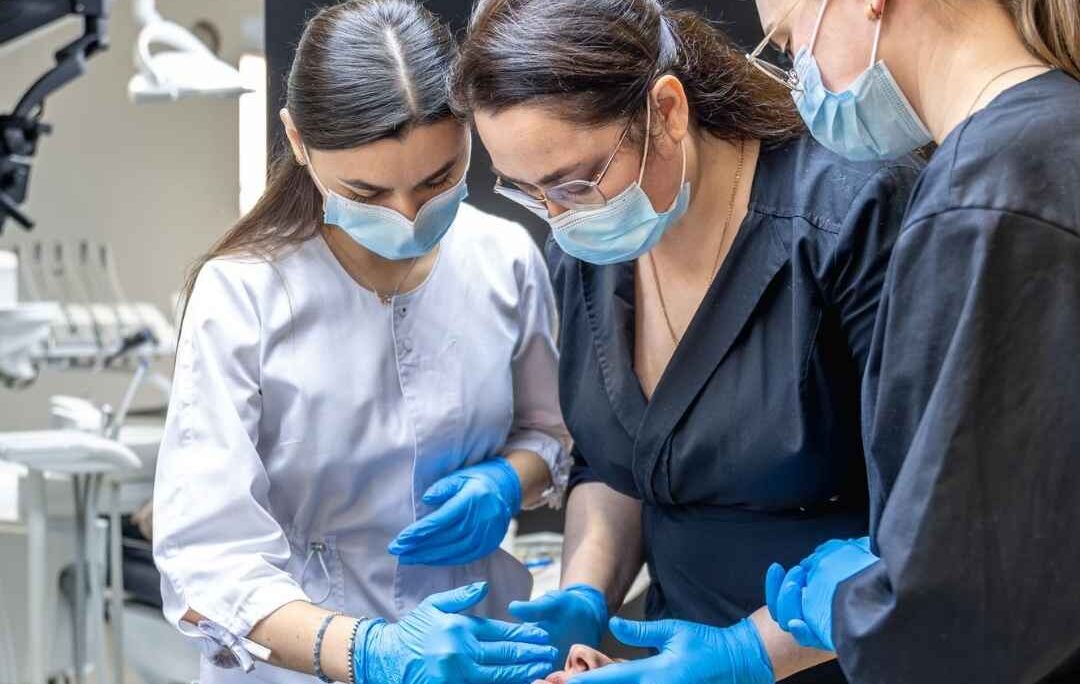
The best programs pair each topic with a live demonstration. You watch a case being planned, see the preparation, and then follow the patient through to the final result. That full-circle view is what builds real confidence.
Who Should Join a Cosmetic Dentistry Course in India for Foreign Dentists?
A Cosmetic Dentistry Course in India for Foreign Dentists is not only for senior clinicians. General dentists who want to add aesthetic work to their menu are an ideal audience, since smile cases tend to be high-value and highly referable. Recent graduates can also benefit, provided they pick a program that offers close mentoring.
Prosthodontists, orthodontists and implantologists find these courses useful too. A smile makeover often needs several disciplines working together, and understanding the design logic helps you talk to your co-treating colleagues. It also helps you explain the full plan to the patient in one clear story.
Clinic owners should not overlook the business side. Aesthetic dentistry can differentiate your practice in a crowded market, and the communication skills you learn are useful far beyond veneers.
Advanced Smile Makeover Course for Dentists in India: Theory vs. Hands-On
Many dentists have attended lectures that felt inspiring but left them unsure what to do on Monday morning. An Advanced Smile Makeover Course for Dentists in India should fix that by balancing knowledge with practice. Look for a split where at least half of the program time is spent on workshops, typodont exercises and supervised clinical work.
Small batches matter enormously. When only a handful of participants share a trainer, you get your questions answered, your technique corrected and your confidence built. Large auditorium-style sessions rarely deliver the same result.
Ask about case discussion too. Reviewing both successes and difficult cases teaches you how to handle the unexpected, which is what separates a decent clinician from a dependable one.
How to Choose the Right Smile Design Course: A Quick Checklist
With so many options online, it is easy to be swayed by flashy marketing. Use this checklist before you pay any fee:
- Trainer credentials: Are the faculty practicing clinicians with a visible track record?
- Live patient exposure: Will you actually treat or assist, or only observe?
- Batch size: Smaller groups mean more personal guidance.
- Technology: Do they use digital planning, CBCT, scanners and quality materials?
- Clear certificate wording: Be sure you understand what the certificate represents.
- International support: Help with invitation letters, travel advice and local assistance.
- Refund and payment terms: Read them carefully before registering.
Honest providers explain what their certificate is and is not. Most short clinical programs are for skill development and do not replace a degree or a license to practice in your own country, so always check your local dental council’s rules.
Planning Your Trip: Visa, Stay and Budget Tips
Start your paperwork early. Most overseas visitors need a visa, and an invitation or confirmation letter from the academy can speed things along. Check the current rules for your nationality on the official Indian government visa portal, because categories and requirements change from time to time.
For accommodation, many participants choose guesthouses or serviced apartments near the training center to save on daily travel. Cities in the Chandigarh region are generally clean, well planned and easy to move around in. Food options are wide, and vegetarian and non-vegetarian choices are easy to find.
Build a small buffer into your budget for local transport, a SIM card and sightseeing. Many dentists extend their stay by a few days to explore, and a short trip to the hills or a heritage site makes the visit even more memorable.
Frequently Asked Questions
1. How long is a smile design course in India for foreign dentists?
Duration varies by provider. Short intensive formats run for a few days, while mentorship programs can stretch over several weeks. Choose based on your schedule and how much hands-on time you want.
2. Do I need prior experience in cosmetic dentistry?
Not always. Beginner-friendly programs start with fundamentals, while advanced ones expect basic restorative skills. Check the entry requirements before you apply.
3. Will I get to work on live patients?
This depends on the program and on your registration status in India. Many academies offer supervised observation and assisting, with practical exercises on models. Confirm exactly what is permitted before you enroll.
4. Is the certificate valid in my home country?
Most clinical training certificates confirm participation and skill development only. They are not degrees or licenses, so check with your national dental authority about what is recognized.
5. What is the difference between veneers, laminates and smile design?
Veneers and laminates are the restorations placed on the teeth. Smile design is the complete planning process that decides their shape, size, color and position in the face.
6. How much does a cosmetic dentistry course in India cost?
Fees depend on duration, trainer expertise and facilities. In general, India is more affordable than Europe or North America, but always request a written breakdown that includes what is and is not covered.
7. Can I learn digital smile design even if my clinic has limited equipment?
Yes. Many principles can be applied with a good camera and simple software. You can then upgrade your tools gradually as your case load grows.
Ready to Upgrade Your Skills? Start Your Smile Design Journey Today
The right training can change how you plan cases, talk to patients and grow your practice. If you are looking for a supportive environment with small groups, practical teaching and international guidance, Esthetica Advanced Dental Academy is a name worth exploring. Reach out today to ask about upcoming batches, fees and travel support, and take the first step toward building confident, natural-looking smiles.
Choose Your Smile Design Program
Select a training format according to your clinical experience, goals and available time.
2-Day Smile
Design
A focused introduction to aesthetic analysis, digital planning and smile design fundamentals.
- Smile analysis
- Digital planning concepts
- Dental photography
- Mock-up concepts
- Aesthetic treatment planning
- Certificate
WhatsApp →
Advanced Smile
Design
Comprehensive training covering smile analysis, digital planning, veneer and aesthetic workflows.
- Digital smile design
- Facial analysis
- Photography protocols
- Mock-up & trial smile
- Veneer case planning
- Hands-on exercises
- Patient communication
WhatsApp →
Aesthetic
Dentistry Program
A deeper clinical program for dentists looking to expand their aesthetic treatment workflow.
- Advanced smile analysis
- Veneer planning
- Anterior aesthetics
- Occlusion concepts
- Digital workflow
- Clinical case discussion
- Mentorship
WhatsApp →
Customize Your
Course
Create a Smile Design training program around your specific clinical requirements.
- Choose training duration
- Select clinical topics
- Digital smile design
- Veneer-focused training
- Hands-on requirements
- Individual mentorship options