




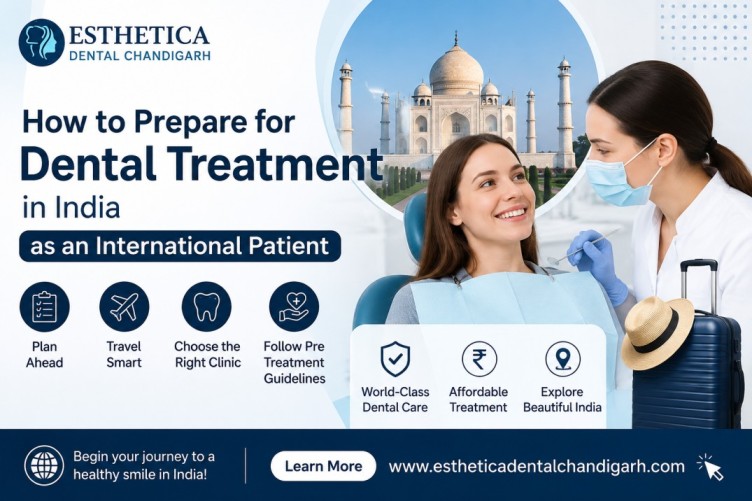
How to Prepare for Dental Treatment in India as an International Patient
Planning dental treatment abroad can be exciting, but it can also feel overwhelming when you have to manage treatment, travel, costs and recovery at the same time. India has become an increasingly considered destination for international dental patients because of its dental expertise, modern facilities, advanced procedures and comparatively affordable treatment options.
A successful dental trip requires preparation well before departure. International patients should research their required treatment, choose an appropriate dental clinic, share their dental records, understand the expected treatment timeline and organize their travel arrangements in advance.
Research the Procedure and Find the Right Clinic
Dental treatment abroad may include implants, crowns, veneers, bridges, root canal treatment, orthodontics or full-mouth restoration. Since every dental case is different, patients should first discuss their requirements with a qualified dentist.
When selecting a dental clinic, consider the dentist’s experience, available technology, treatment facilities and experience with international patients. Reading genuine patient reviews and researching the dental team can also help patients make a more informed decision.
Patients considering treatment at Esthetica Advanced Dental Clinic should discuss their dental concerns and treatment requirements with the professional team before finalizing their travel plans.
Share Your Dental Records Beforehand
Sharing dental records before travelling can make the initial planning process easier. Depending on the situation, patients may be asked to provide recent X-rays, scans, photographs, prescriptions or other relevant dental information.
Sending these records in advance gives the dental team an opportunity to review the available information and provide an approximate idea of the treatment plan. However, online screening cannot replace an in-person examination. A physical assessment is especially important when complex treatment is required.
Keep copies of your dental records both digitally and physically so they are easily available during your visit.
Understand the Treatment Plan and Cost Breakdown
Before booking flights, patients should have a clear understanding of the proposed treatment and expected timeline. A written treatment plan can help explain the number of appointments that may be required and the approximate length of the stay.
Patients should also request an itemized estimate and ask what is included in the quoted amount. This may include consultation fees, diagnostic tests, procedures, medications, temporary restorations and other associated expenses.
When comparing dental clinics, focus on the complete treatment plan and overall expected cost rather than comparing only the price of one procedure.
Plan Your Visit and Travel Schedule
Once the treatment plan and estimated costs are understood, international patients can begin organizing their trip. However, travel plans should have some flexibility because the final treatment schedule may change after an in-person examination.
Choosing accommodation reasonably close to the dental facility can reduce unnecessary travel, particularly after treatment. Patients should also review passport and visa requirements, insurance arrangements, flight details and other travel considerations.
Keeping electronic copies of important documents can also make them easier to access when needed.
Create a Simple Timeline Before Departure
A simple schedule can help patients organize their appointments and travel arrangements. It is better to leave some flexibility rather than booking every day of the trip in advance.
Additional procedures, laboratory work or findings during an examination may affect the treatment schedule. Patients undergoing multiple procedures should therefore allow sufficient time for appointments and possible changes.
A realistic timeline can make the overall dental journey easier to manage and reduce unnecessary pressure.
Prepare Your Body and Medications
Before travelling, patients should inform their dental team about allergies and current medication use. Necessary medicines should be carried in their original packaging along with copies of prescriptions.
If medication needs to be considered before a dental procedure, patients should discuss this with their appropriate healthcare professional. Medication should not be stopped or changed without professional advice.
Having relevant health information readily available can also help the dental team understand the patient’s requirements.
Pack the Essentials for Dental Treatment Abroad
Preparing essential documents and personal items before departure can make the trip more convenient.
Important items may include:
- Passport, visa and insurance information
- Appointment confirmations
- Dental records, X-rays and test results
- Medication and prescriptions
- Payment cards
- Mobile phone and charger
- Recommended oral hygiene products
- Copies of the appointment schedule
Patients with several appointments should keep their treatment schedule easily accessible. Digital copies of important documents can also be stored securely for convenient reference.
Understand the First Appointment
The first appointment may involve an examination, a review of medical history, photographs, X-rays, scans or other diagnostic tests. The dentist can then assess the available information and discuss suitable treatment options.
Patients should ask questions about the expected treatment duration, benefits, risks, alternatives, possible discomfort, aftercare and follow-up requirements.
At Esthetica Advanced Dental Clinic, international patients can discuss their treatment concerns and clarify questions about the proposed dental care before proceeding.
Understanding the treatment plan clearly can help patients make informed decisions rather than relying only on information found online.
Plan Your Aftercare and Follow-Up
Aftercare is an important part of planning dental treatment abroad. Recovery requirements depend on the procedure and the patient’s individual circumstances.
Before returning home, patients should ask when they can safely fly, resume normal eating, exercise and return to work. They should also understand instructions regarding oral hygiene, diet, discomfort and follow-up appointments.
For treatments that require additional care after returning home, patients should understand what information needs to be shared with their local dentist. Treatment records, prescriptions, invoices and restoration details should be kept safely.
Set Realistic Expectations
Every patient’s dental condition is different. Treatment decisions should not be based solely on photographs, online testimonials or general information.
A physical examination is necessary before a dentist can develop a treatment plan appropriate for an individual case. The duration of treatment can also vary considerably.
Some procedures may require relatively few appointments, while implants, restorations and full-mouth rehabilitation can involve several stages. International patients should ask about the expected treatment duration and keep their travel plans flexible.
Communicate Clearly With Your Dental Team
Good communication can make dental treatment abroad easier to manage. Patients should ask questions throughout the treatment process and discuss any concerns or preferences with their dental team.
Save the clinic’s contact information on your phone and keep an electronic copy of your treatment schedule. It can also be useful to maintain copies of treatment records and prescriptions for future reference.
Clear communication helps patients understand what is happening at each stage of treatment and what they need to do after returning home.
Why Should International Patients Prepare in Advance?
Preparing for dental treatment abroad involves much more than arranging an appointment. Patients need to consider their treatment requirements, finances, travel arrangements, documentation and recovery.
Planning these details several weeks before departure can help reduce last-minute uncertainty. It also gives patients time to ask questions, organize records and understand the expected treatment schedule.
For international patients choosing Esthetica Advanced Dental Clinic, discussing the treatment plan, appointments, expected stay and aftercare requirements in advance can help create a more organized experience.
Frequently Asked Questions
Is India a Good Destination for International Dental Patients?
India is increasingly considered by international patients seeking dental care. Patients should carefully research the dentist, clinic, treatment options, facilities and overall treatment plan before making a decision.
What Dental Records Should I Share or Bring?
Patients may need recent X-rays, scans, photographs, prescriptions and other relevant dental records. The selected dental clinic can advise which documents are appropriate for the specific case.
How Early Should I Contact a Dentist in India?
International patients should ideally contact a dental clinic several weeks before departure, especially when complex treatment or multiple appointments may be involved.
Should I Stay Near the Dental Clinic?
Staying close to the dental facility can reduce travel time and may be more convenient after a procedure, particularly when patients need rest or have several appointments.
How Can I Understand the Total Cost of Treatment?
Ask for an itemized estimate and discuss consultation fees, diagnostic tests, procedures, medications and other potential expenses. Comparing the complete treatment plan gives a clearer understanding of the expected cost.
Can I Travel Immediately After Dental Treatment?
The appropriate time to travel depends on the procedure and the patient’s individual circumstances. The treating dentist should advise when it is appropriate to fly or resume normal activities.
What Should I Do After Returning Home?
Follow the provided aftercare instructions and keep all treatment records safely. If further treatment is required, share relevant information with your local dentist or healthcare professional.