








Dental Implant Treatment Guide for Missing Teeth
Losing a tooth can feel like losing a piece of your confidence. Whether it happened due to injury, decay, or age, the good news is that dental implants for missing teeth have become the most reliable, natural-looking, and long-term solution in modern dentistry. If you have been searching for a permanent fix instead of temporary patchwork, this guide will walk you through everything you need to know about implants, from the procedure itself to recovery and cost.
Millions of people around the world, including in Canada, are now choosing implants over older methods because they look, feel, and function just like real teeth. This blog breaks down the entire journey in simple language, so you can make an informed decision without any dental jargon confusing you along the way.
What Are Dental Implants and Why They Matter
A tooth replacement that actually feels like yours
A dental implant is a small titanium post that is surgically placed into your jawbone to act as an artificial tooth root. Once it fuses with the bone, a custom-made crown is attached on top, giving you a tooth that looks, bites, and chews exactly like a natural one. Unlike removable options, implants stay fixed in place permanently.
This makes them different from anything else on the market. Instead of resting on the gums or nearby teeth, implants integrate directly with your jaw. That single difference is why dentists worldwide consider implants the gold standard of tooth replacement.
Understanding Dental Implant Treatment: Step by Step
Here’s what actually happens in the dentist’s chair
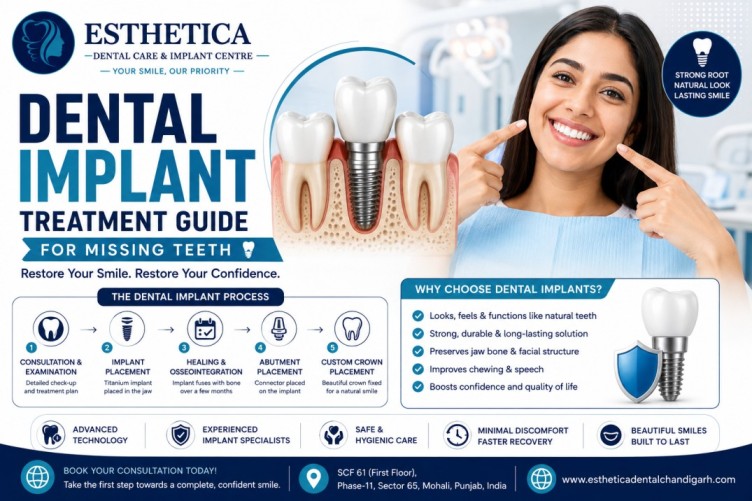
The dental implant treatment process usually unfolds in a few clear stages, and knowing them in advance can ease a lot of anxiety. First comes a detailed consultation, often supported by 3D imaging or a CBCT scan, so your dentist can map your jawbone density and plan precise implant placement.
Next is the surgical stage, where the titanium implant is placed into the jaw under local anesthesia. Most patients describe this step as far less uncomfortable than expected, thanks to modern painless techniques. After placement, a healing period of a few months allows the implant to fuse with the bone in a process called osseointegration.
Finally, once healing is confirmed, a custom crown is fitted on top of the implant. The result is a tooth that blends seamlessly with your smile, both in color and shape.
Tooth Replacement Options: Implants vs Bridges vs Dentures
Not all replacement teeth are created equal
When people first lose a tooth, they usually explore several tooth replacement options before choosing one. Dentures are removable and budget-friendly, but they can slip, feel bulky, and need regular replacement. Bridges are fixed in place but often require grinding down healthy neighboring teeth to anchor the structure.
Implants stand apart because they don’t rely on other teeth for support and don’t need to be removed at night. They also help preserve the jawbone, something bridges and dentures cannot do, since chewing pressure on the implant keeps the bone naturally stimulated. For most patients comparing long-term value, implants end up being the smarter investment.
Who Is a Good Candidate for Dental Implants
Almost anyone with healthy gums can qualify
Good candidates for implants typically have healthy gums and enough jawbone to support the titanium post. Age is rarely a barrier; both younger adults and seniors can successfully receive implants. Even patients with lower bone density are often still eligible, thanks to bone grafting techniques that build up the jaw before implant placement.
Conditions like uncontrolled diabetes or heavy smoking can affect healing, so your dentist will review your medical history carefully. A short pre-treatment evaluation is usually enough to confirm whether implants are the right path for you.
Benefits of Choosing Dental Implants Over Other Options
Why so many patients never look back
Beyond aesthetics, implants offer real functional advantages. They restore full biting force, so you can enjoy your favorite foods without hesitation. They also protect the health of neighboring teeth, since no filing or grinding is needed as with bridges.
Implants are built to last for decades with proper care, often outliving other replacement options many times over. They also support facial structure by preventing the sunken appearance that commonly develops after long-term tooth loss. For anyone who wants a solution that truly disappears into daily life, implants deliver exactly that.
Recovery and Aftercare Tips
Simple habits that protect your investment
Recovery after implant surgery is usually smoother than patients expect. Mild swelling or discomfort for a couple of days is normal and manageable with basic pain relief. Soft foods are recommended for the first week, gradually returning to a normal diet as healing progresses.
Good oral hygiene remains essential, just as it would be with natural teeth. Brushing twice daily, flossing around the implant, and attending regular dental checkups will help the implant last for years without complications. Avoiding smoking during the healing phase also significantly improves success rates.
Cost of Dental Implants: What Patients in Canada Should Know
Comparing prices without compromising on quality
Dental implant costs in Canada can be considerably higher than in many other countries, largely due to differences in clinical overheads and lab fees. This price gap has led many Canadian patients to explore dental tourism, traveling abroad to access the same advanced implant systems and experienced specialists at a fraction of the cost.
India, in particular, has become a popular destination for Canadian patients seeking implants, thanks to internationally trained dentists, modern technology, and significant cost savings, even after factoring in travel. Choosing a clinic that uses globally recognized implant brands ensures you are not compromising on quality while saving on price.
Why Choose Esthetica Dental Clinic for Your Dental Implant Journey
If you are researching where to begin your implant journey, Esthetica Dental Clinic combines over a decade of clinical expertise with advanced digital implant planning, ensuring every case is handled with precision and care. From single-tooth implants to full-mouth rehabilitation, the team focuses on painless techniques, transparent treatment planning, and long-lasting results that patients, including many international and NRI patients, continue to trust.
Frequently Asked Questions
1. How long do dental implants last?
With proper oral hygiene and regular checkups, dental implants can last 20 years or longer, and many patients keep them for life.
2. Are dental implants painful?
Most patients report minimal discomfort during the procedure itself, with manageable soreness for a few days afterward, similar to a tooth extraction.
3. What is the success rate of dental implants? D
ental implants have a success rate of around 95 to 98 percent when placed by an experienced dentist in a healthy patient.
4. Can I get a dental implant if I have bone loss?
Yes, bone grafting procedures can rebuild jawbone density, making implants possible even for patients who were previously told they weren’t candidates.
5. How much does a dental implant cost compared to Canada?
Implant treatment abroad, including in India, can cost significantly less than in Canada, often making it worthwhile even after travel expenses.
6. Is full mouth dental implant treatment possible in one visit?
Techniques like All-on-4 and All-on-6 allow full-arch restoration in a shorter timeframe, though healing and final crown placement still require follow-up visits.
7. How do I know if I need a dental implant or a bridge?
A dental consultation with imaging is the best way to compare both options based on your bone health, budget, and long-term goals.
If missing teeth have been holding back your smile, now is the right time to explore a solution built to last. A well-planned dental implant restores far more than function, it restores confidence, one tooth at a time.